
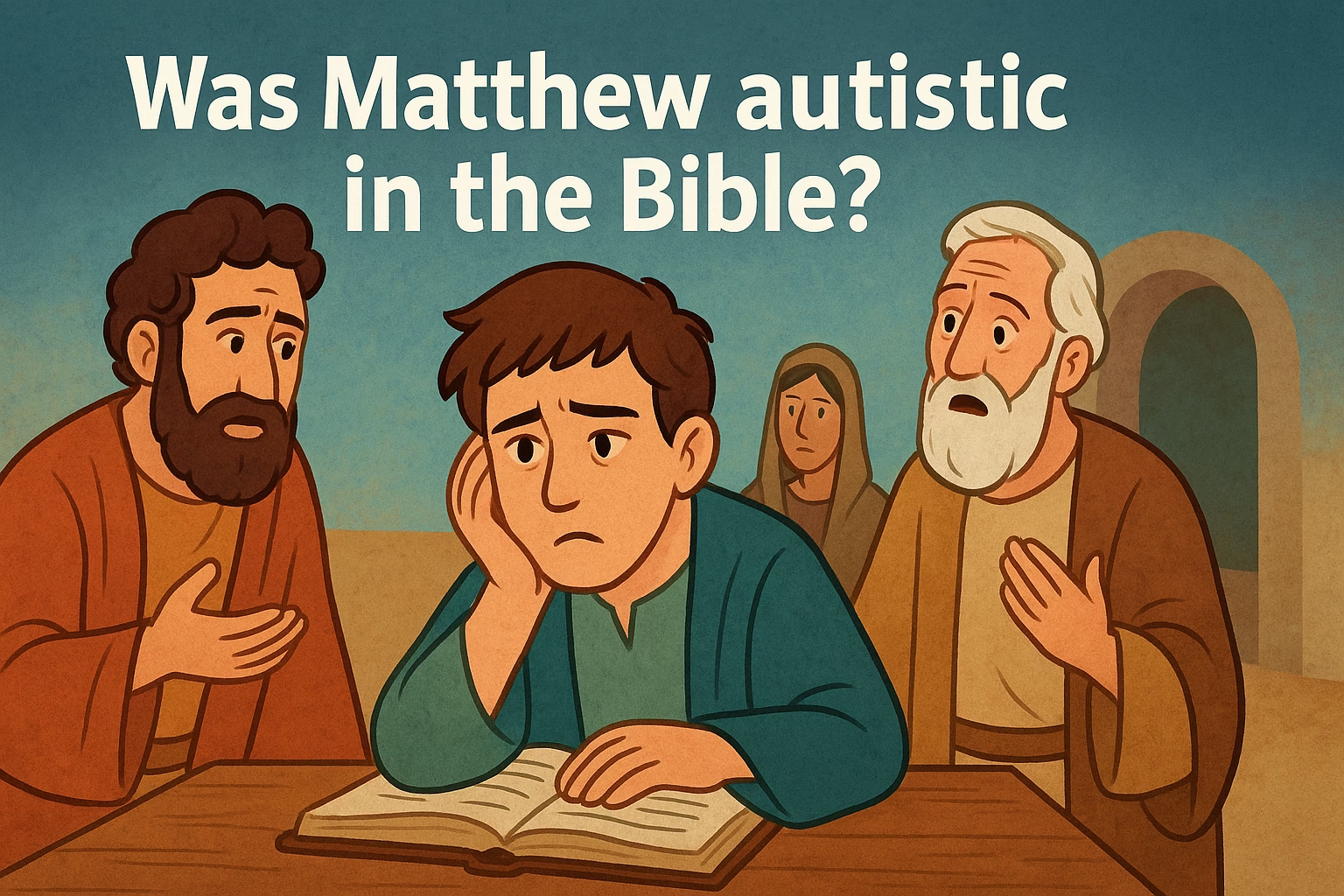
The question of whether Matthew, one of Jesus’ twelve apostles, was autistic is a complex one, as it involves interpreting both biblical texts and modern understandings of autism. Autism is a neurodevelopmental condition characterized by challenges in social interaction, communication, and often includes a narrow range of interests and repetitive behaviors. The Bible does not explicitly mention autism or provide a clinical diagnosis of any of its characters, including Matthew. However, examining Matthew’s characteristics and behaviors in the context of Scripture can provide some insights into this inquiry.
To directly answer the question: there is no definitive evidence in the Bible to conclude that Matthew was autistic. Instead, we can explore his traits and behaviors as depicted in Scripture to determine if they align with characteristics often associated with autism.
Understanding Matthew’s Background
Matthew, also known as Levi, was a tax collector before he became an apostle. Tax collectors during this time were often viewed with disdain by the Jewish people due to their association with the Roman government and their reputation for dishonesty. In Matthew 9:9-13, we see Jesus calling Matthew to follow him:
“As Jesus was walking along, he saw a man named Matthew sitting at his tax collector’s booth. ‘Follow me and be my
Matthew’s Personality Traits
When examining Matthew’s personality, some interpretations suggest he may have had particular traits that could be associated with autism, such as a strong attention to detail and a focus on numbers. As a tax collector, Matthew would have needed to be meticulous in his work, managing financial records and transactions. This attention to detail is often highlighted in his Gospel, which includes many numerical references and structured narratives.
For instance, Matthew’s account of Jesus’ life emphasizes the fulfillment of Old Testament prophecies, showcasing his analytical approach. This focus on detail might resonate with individuals who exhibit characteristics common in those on the autism spectrum, such as strong pattern recognition and a preference for logical reasoning.
The Role of Isolation in Matthew’s Life
Another aspect worth considering is the potential for social isolation experienced by Matthew. Tax collectors were typically ostracized by their communities, leading to a life that could be marked by loneliness. This isolation may have influenced Matthew’s personality and how he interacted with others. In the Gospels, we see that Jesus reached out to Matthew, demonstrating acceptance and love despite societal rejection.
The experience of social isolation can sometimes align with the experiences of those on the autism spectrum, who may struggle with social cues and building relationships. While we cannot definitively label Matthew as autistic based on his social interactions, it is possible to explore how his background may have shaped his experiences and relationships.
Matthew’s Transformation and Community
Matthew’s call to discipleship marks a significant transformation in his life. After Jesus called him to follow, Matthew hosted a banquet for Jesus and invited fellow tax collectors and sinners (Luke 5:29). This act shows his desire to connect with others, despite his previous isolation. It also illustrates a fundamental aspect of Jesus’ ministry: reaching out to those marginalized by society.
This hospitality and willingness to bring others together contrasts with the stereotype of individuals with autism, who may struggle with social gatherings. However, it is essential to recognize that individuals on the spectrum can also demonstrate a strong desire for connection, even if they may find social interactions challenging.
Matthew’s Gospel: A Unique Perspective
Matthew’s Gospel is distinct in its emphasis on Jesus’ teachings and the kingdom of heaven. His writing style is systematic and organized, which may reflect his background as a tax collector. The structure of his Gospel, with its focus on five major discourses, might suggest a methodical approach to his faith and understanding of Jesus’ message.
This methodical nature can be likened to how some individuals with autism might approach topics of interest with intense focus and detailed knowledge. However, it is important to note that while Matthew’s writing style may exhibit traits that some associate with autism, this does not imply a diagnosis or label.
Interpreting Matthew’s Experiences Through a Modern Lens
When considering whether Matthew could be viewed as autistic, it is crucial to recognize the limitations of applying modern psychological terms to historical figures. The concept of autism as we understand it today did not exist in biblical times, and the behaviors and traits associated with it were not categorized in the same way. Matthew’s experiences and interactions must be understood within the cultural and historical context of first-century Judea.
Moreover, the Bible emphasizes the value of individuals regardless of their social abilities or challenges. Matthew’s life is a testament to God’s grace and the transformative power of faith. His story encourages readers to embrace differences and recognize the inherent worth of every person.
Questions for Reflection
As we explore the possibility of Matthew having traits associated with autism, we can also reflect on broader questions about acceptance and understanding within the Christian community:
- How can we better support individuals with neurodiverse conditions within our churches and communities?
- In what ways can we learn from the unique perspectives of those who may see the world differently?
- How does Matthew’s story challenge us to embrace those who are marginalized or isolated?
These questions can help foster a more inclusive environment where everyone, regardless of their background or differences, can feel valued and accepted.
Conclusion
While there is no direct evidence in the Bible to label Matthew as autistic, exploring his life through this lens can provide valuable insights into the complexities of human experience. Matthew’s background as a tax collector, his attention to detail, and his eventual embrace of community highlight the importance of love, acceptance, and transformation in the Christian faith. Ultimately, Matthew’s story serves as a reminder that all individuals, regardless of their social abilities or challenges, are deserving of God’s grace and have a unique role in the tapestry of faith. For more insights, visit this link.