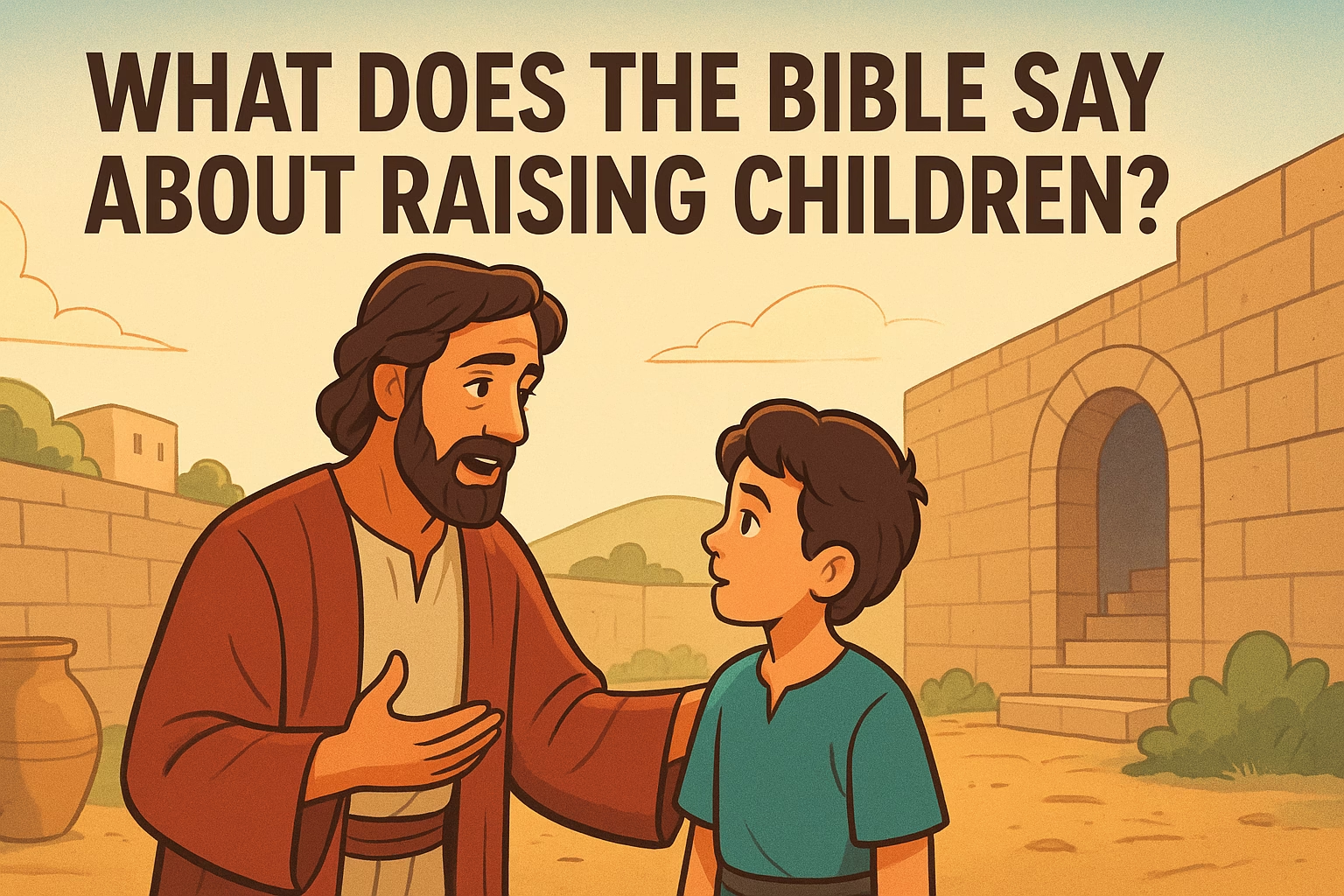
Raising children is a profound responsibility that many parents take to heart. The Bible offers guidance and wisdom on how to nurture and educate children in a way that aligns with Christian values. These teachings emphasize love, discipline, and the importance of instilling a strong moral foundation. In this article, we will explore what the Bible says about raising children, drawing from various passages that highlight key principles and practices.
At its core, the Bible teaches that children are a blessing from God. Psalm 127:3 states, “Children are a gift from the Lord; they are a reward from him.” This perspective shapes the way parents approach the task of raising their children, recognizing that they have been entrusted with a precious gift that requires care and guidance.
The Importance of Teaching and Discipline
Instilling Wisdom and Knowledge
One of the primary responsibilities of parents is to educate their children. Proverbs 22:6 advises, “Direct your children onto the right path, and when they are older, they will not leave it.” This verse encourages parents to actively guide their children in making wise choices and understanding the values that will serve them throughout their lives.
Education in a biblical sense goes beyond academics; it encompasses moral and spiritual teachings as well. Deuteronomy 6:6-7 instructs parents to “repeat them again and again to your children. Talk about them when you are at home and when you are on the road, when you are going to bed and when you are getting up.” This passage highlights the importance of incorporating faith and biblical teachings into everyday life, ensuring that children grow up with a solid moral compass.
Discipline with Love
Discipline is another crucial aspect of raising children according to biblical principles. Proverbs 3:11-12 states, “My child, don’t reject the Lord’s discipline, and don’t be upset when he corrects you. For the Lord corrects those he loves, just as a father corrects a child in whom he delights.” This passage emphasizes that discipline should be rooted in love and a desire for the child’s well-being.
When disciplining children, it is important to strike a balance between correction and encouragement. Ephesians 6:4 advises fathers (and by extension, parents) not to provoke their children to anger, but to “bring them up in the discipline and instruction of the Lord.” This approach encourages parents to be firm yet gentle, guiding their children toward positive behavior without causing resentment.
Modeling Christlike Behavior
Living Out Faith
Children learn a great deal by observing their parents’ actions. In 1 Corinthians 11:1, Paul encourages believers to “imitate me, just as I imitate Christ.” Parents are called to model Christlike behavior, demonstrating love, patience, kindness, and humility in their daily lives. By living out their faith authentically, parents set a powerful example for their children to follow.
The way parents interact with others, handle challenges, and express their faith can deeply influence their children’s understanding of what it means to live a Christian life. Philippians 4:9 encourages parents to “keep putting into practice all you learned and received from me—everything you heard from me and saw me doing.” This verse reinforces the idea that children will learn not only from words but also from the actions of their parents.
Creating a Nurturing Environment
A nurturing home environment is crucial for a child’s development. Colossians 3:21 advises, “Fathers, do not aggravate your children, or they will become discouraged.” This verse underscores the importance of creating a supportive atmosphere where children feel valued and encouraged.
Parents should strive to foster open communication, allowing children to express their thoughts and feelings without fear of judgment. A safe and loving environment helps children feel secure and loved, which is essential for their emotional and spiritual growth.
The Role of Prayer in Raising Children
Seeking God’s Guidance
Prayer plays a vital role in raising children. James 1:5 encourages believers to seek wisdom from God, assuring them that He gives generously to those who ask. Parents can pray for their children, asking God to guide them, protect them, and help them grow in faith.
In addition to praying for their children, parents should also pray with their children. This practice not only teaches children the importance of prayer but also helps them develop a personal relationship with God. Philippians 4:6-7 reminds believers to “not worry about anything; instead, pray about everything.” This principle can be applied to family life, encouraging parents and children to bring their concerns and joys before God together.
Encouraging Spiritual Growth
Parents are responsible for nurturing their children’s spiritual growth. Deuteronomy 6:7 emphasizes the importance of teaching children about God’s commandments and love. This can be done through family devotions, church attendance, and discussions about faith.
Encouraging children to participate in church activities, such as youth groups or Sunday school, can also help them grow in their faith. The community aspect of church provides additional support and guidance as children learn to navigate their spiritual journeys.
Conclusion
As we continue to explore the biblical perspective on raising children, we can see that the principles of love, discipline, education, and prayer are foundational to nurturing the next generation. The Bible provides a rich tapestry of guidance, encouraging parents to embrace their role with joy and responsibility. In the next part, we will delve deeper into practical applications and further biblical insights on this important topic.
Emphasizing Character Development
Building a Foundation of Integrity
The Bible emphasizes the importance of character development in children. Proverbs 10:9 states, “People with integrity walk safely, but those who follow crooked paths will be exposed.” Teaching children the value of honesty, integrity, and moral uprightness helps them navigate the complexities of life. Parents can encourage their children to act with integrity by modeling these behaviors in their own lives and discussing the real-life implications of honesty and dishonesty.
Parents should also engage children in conversations about ethical dilemmas and moral choices, helping them understand the consequences of their actions. This not only reinforces biblical teachings but also prepares them to make wise decisions as they grow.
Encouraging Empathy and Compassion
In addition to integrity, fostering empathy and compassion is crucial for a child’s emotional and spiritual growth. Ephesians 4:32 instructs believers to “be kind to one another, tenderhearted, forgiving one another, as God in Christ forgave you.” Parents can teach their children to be compassionate by encouraging them to consider others’ feelings and perspectives.
Service projects, volunteering, and acts of kindness can be great ways to instill these values. When children see their parents actively engaging in helping others, they are more likely to internalize these behaviors and make them a part of their character.
Setting Boundaries and Expectations
The Importance of Structure
Children thrive in environments where they understand expectations and boundaries. Proverbs 29:15 states, “The rod of correction imparts wisdom, but a child left undisciplined disgraces its mother.” Establishing clear rules and consequences helps children feel secure and understand the importance of accountability.
Parents should communicate their expectations clearly and consistently, helping children understand the reasons behind rules. This approach fosters a sense of responsibility and encourages children to make wise choices within the framework of established boundaries.
Encouraging Independence
While boundaries are important, parents should also encourage independence as children grow. Galatians 5:13 reminds believers to use their freedom wisely. Teaching children to make decisions and solve problems on their own prepares them for adulthood.
Parents can gradually give children more responsibilities, allowing them to experience the consequences of their actions in a safe environment. This balance of guidance and independence helps children develop confidence and self-reliance, essential traits for navigating life’s challenges.
Fostering Healthy Relationships
The Role of Family Dynamics
The family unit plays a significant role in shaping a child’s understanding of relationships. Colossians 3:18-21 speaks to the importance of mutual respect and love within the family, urging wives, husbands, and children to treat one another with kindness. Parents should model healthy relationship behaviors, demonstrating respect, communication, and conflict resolution.
Family discussions about feelings, disagreements, and resolutions can help children see how to navigate relationships with love and understanding. This foundation prepares them to build strong, healthy relationships outside the home.
Encouraging Friendships
In addition to family relationships, friendships are a vital part of a child’s development. Proverbs 13:20 states, “Walk with the wise and become wise; associate with fools and get in trouble.” Teaching children to choose friends who share their values and beliefs is essential for their spiritual and moral growth.
Parents can facilitate friendships by encouraging social activities and involvement in church or community groups. Open discussions about friendships can also help children understand the importance of surrounding themselves with positive influences.
The Impact of Community and Church
Engaging in Church Life
The church community serves as an extension of the family, providing support, guidance, and fellowship. Hebrews 10:24-25 encourages believers to “consider how we may spur one another on toward love and good deeds, not giving up meeting together.” Involving children in church activities helps them build connections with other believers and reinforces their faith.
Parents should prioritize church attendance and participation in church programs. This involvement not only strengthens children’s faith but also fosters a sense of belonging within a community that shares their values.
Finding Mentorship
Mentorship can play a significant role in a child’s spiritual development. Titus 2:4-5 emphasizes the importance of older women teaching younger women, but this principle can extend to all ages and genders. Parents can encourage their children to seek mentorship from trusted adults within the church or community who can provide guidance and support.
Mentors can offer valuable life lessons, share experiences, and help children navigate challenges, reinforcing the teachings they receive at home.
Conclusion
In conclusion, the Bible provides a comprehensive framework for raising children that encompasses love, discipline, character development, and community involvement. By following these biblical principles, parents can nurture their children to grow into responsible, compassionate, and faithful individuals.
As parents reflect on the teachings of Scripture, they are reminded of the weighty responsibility they bear in shaping the next generation. Embracing this responsibility with joy, prayer, and dedication will help ensure that children grow in their faith and character, becoming the leaders of tomorrow. The journey of parenting is both challenging and rewarding, and with God’s guidance, parents can navigate it successfully. For further insights, you can explore [Bible verses about being a father](https://studythebiblewithus.com/bible-verses-about-being-a-father/) and [Bible verses for my son](https://studythebiblewithus.com/bible-verses-for-my-son/).