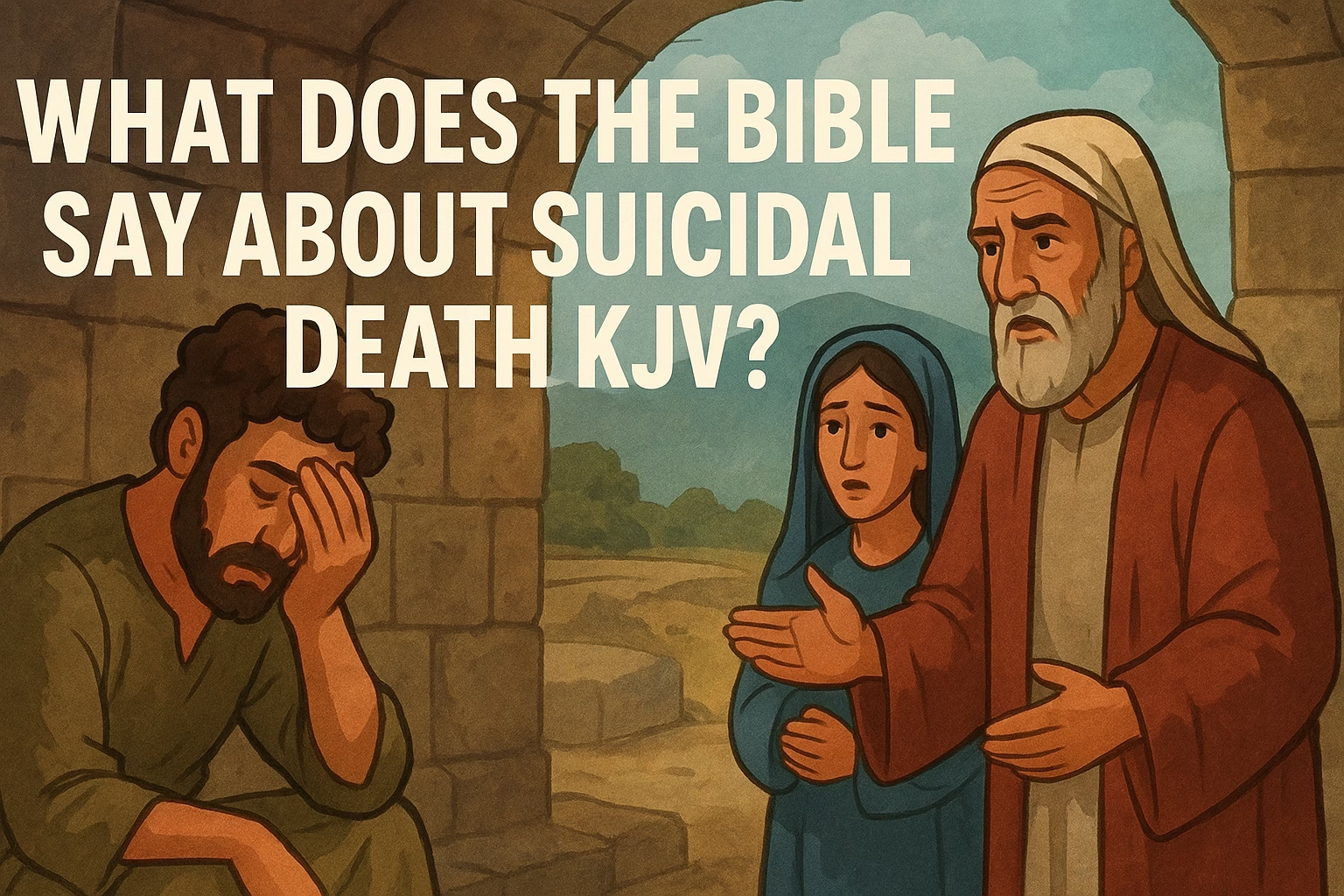
Suicidal thoughts and actions are deeply troubling issues that many face, and understanding what the Bible says about them can provide comfort and guidance. The Scriptures address the value of life and the hope found in God, which can be particularly relevant for those struggling with despair. This article explores various biblical perspectives on suicidal death and the underlying themes of hope, support, and the sanctity of life.
The Bible does not directly address suicide in a comprehensive manner, but it does provide insight into the nature of life, suffering, and God’s love. While there are instances of suicide in the Bible, such as the deaths of Saul and Judas Iscariot, these stories are often presented in a context of despair, betrayal, or hopelessness.
Life is Sacred
From the very beginning, the Bible emphasizes the sacredness of life. In Genesis 1:27, it states that humans are made in the image of God. This inherent dignity suggests that life is precious and should be valued. When considering suicidal death, it is essential to recognize that each life has a purpose and significance within God’s creation.
God’s Plan for Life
The Scriptures affirm that God has a plan for each individual. In Jeremiah 29:11, God promises, “For I know the plans I have for you, says the Lord. They are plans for good and not for disaster, to give you a future and a hope.” This verse reminds us that even in the depths of despair, there is hope for a better future. The idea that God has a purpose for our lives can be a powerful counter to feelings of hopelessness.
Understanding Suffering and Despair
The Bible does not shy away from the reality of suffering. Many biblical figures experienced profound despair. For instance, the prophet Elijah, after a great victory, fled into the wilderness, feeling overwhelmed and wishing to die (1 Kings 19:4). Instead of condemnation, God provided comfort and sustenance, showing that even in our darkest moments, God is present and cares for us.
The Psalms: Voices of Despair
The Psalms are filled with cries of anguish and despair. Psalm 42 captures the deep emotional turmoil of the writer, who feels abandoned and overwhelmed. Yet, throughout the Psalms, there is a consistent return to hope in God. Psalm 34:18 reassures, “The Lord is close to the brokenhearted and saves those who are crushed in spirit.” This highlights that in times of deep sorrow, God is near to those suffering.
Examples of Suicide in the Bible
While the Bible does not provide an explicit commentary on suicide, there are instances where individuals took their own lives. Saul, the first king of Israel, fell on his sword after being defeated in battle (1 Samuel 31:4). Judas Iscariot, after betraying Jesus, took his own life out of despair (Matthew 27:5). These accounts illustrate the devastating consequences of hopelessness and despair, but they do not serve as a definitive stance on the issue of suicide.
Consequences of Actions
In both cases, the actions were tied to a sense of failure and despair. They illustrate the tragic consequences of turning away from God’s purpose and hope. The Bible emphasizes that our actions have consequences, and it encourages seeking help and support rather than succumbing to despair. The community of faith is called to support those who are struggling, reminding them of their worth and the hope available through God.
Hope and Help Through Community
One of the most significant themes in the Bible is the importance of community and support. Galatians 6:2 encourages believers to “Bear ye one another’s burdens, and so fulfill the law of Christ.” This highlights the role of the Christian community in providing support and encouragement to those who are hurting. When someone is struggling with suicidal thoughts, reaching out for help is crucial, and the church can be a safe place for healing and support.
The Importance of Seeking Help
In Proverbs 11:14, it states, “Where there is no counsel, the people fall; but in the multitude of counselors, there is safety.” This verse underscores the importance of seeking guidance and support from others. It is vital for individuals facing suicidal thoughts to talk to trusted friends, family members, or mental health professionals. The Bible encourages seeking wisdom and counsel, which can be a lifeline for those in crisis.
God’s Unconditional Love
Ultimately, the Bible reveals a God who loves unconditionally. Romans 8:38-39 assures us that nothing can separate us from the love of God. This truth can provide immense comfort to those feeling isolated or hopeless. The message of God’s love is central to the Christian faith and serves as a reminder that even in our darkest moments, we are not alone.
As we examine what the Bible says about suicidal death, it is vital to approach the topic with compassion and understanding. The Scriptures affirm the value of life, the importance of community support, and the unwavering love of God. While the Bible does not provide direct answers to every question regarding suicide, it offers hope and guidance for those struggling with despair.
Finding Purpose in Pain
In times of despair, it is essential to remember that pain can lead to growth and transformation. The Bible presents numerous stories of individuals who faced significant trials and emerged with a deeper understanding of God’s purpose for their lives. Consider the story of Joseph, who endured betrayal and imprisonment but ultimately became a leader who saved many during a famine (Genesis 50:20). His journey illustrates that suffering can be part of a larger divine plan.
God’s Presence in Suffering
Isaiah 41:10 reminds us, “Fear not, for I am with you; be not dismayed, for I am your God.” This promise emphasizes that God is present even in our darkest moments. When individuals feel overwhelmed by despair, it can be comforting to know that they are not alone. God walks alongside those who suffer, offering strength and comfort. This assurance can help shift focus from hopelessness to the possibility of healing and restoration.
Spiritual Warfare and Mental Health
The Bible also speaks to the reality of spiritual warfare. Ephesians 6:12 states that our struggle is not against flesh and blood but against spiritual forces of evil. For many, suicidal thoughts can stem from a battle that involves more than just mental health. Understanding this spiritual aspect can help individuals recognize that their struggles are not solely a reflection of their worth or value but can be influenced by external forces seeking to steal, kill, and destroy (John 10:10).
Prayer and Spiritual Support
Engaging in prayer can be a powerful tool for those struggling with suicidal thoughts. Philippians 4:6-7 encourages believers to present their requests to God in prayer, which can lead to a peace that surpasses understanding. This peace can be particularly important for those experiencing turmoil and despair. Moreover, sharing struggles with trusted spiritual leaders or prayer partners can provide additional support and encouragement.
Forgiveness and Healing
Another important aspect to consider is the theme of forgiveness in the Bible. Many individuals battling suicidal thoughts may carry guilt and shame, feeling unworthy of love or forgiveness. The Bible teaches that God offers forgiveness freely to those who seek it (1 John 1:9). Understanding and accepting this forgiveness can be a critical step toward healing. It allows individuals to release burdens and embrace the hope of a new beginning.
Community Resources and Support Systems
In addition to spiritual support, it’s essential to acknowledge the role of professional help and community resources. Mental health professionals can provide valuable tools and strategies for coping with suicidal thoughts. The Bible encourages seeking wisdom and guidance (Proverbs 15:22), which can include turning to trained counselors who can help navigate these difficult emotions. Local churches often provide resources or can connect individuals with mental health services.
Hope for the Future
As believers, it is crucial to hold onto the hope that God offers. Romans 15:13 states, “May the God of hope fill you with all joy and peace as you trust in him.” This hope is not merely wishful thinking; it is a confident expectation based on God’s promises. Holding onto this hope can help individuals see beyond their current pain and recognize the potential for a brighter future.
Encouraging Others
For those who have experienced healing from suicidal thoughts, there is an opportunity to encourage others who may be struggling. Sharing personal testimonies can provide hope and show that recovery is possible. 2 Corinthians 1:4 reminds us that God comforts us in our troubles so that we can comfort others. This cycle of support can create a community of healing and hope.
A Final Reflection on Life and Death
Ultimately, the Bible offers profound insights into the value of life and the hope found in God. While it does not provide a direct answer to the question of suicide, it emphasizes the importance of life, the need for community, and the unending love of God. For those grappling with suicidal thoughts, it is essential to seek help and remember that there is always hope, even in the darkest of times.
In conclusion, if you or someone you know is struggling with suicidal thoughts, reach out for support. The church, community resources, and mental health professionals can provide vital help. Embrace the truth that life is precious, and there is a purpose for everyone. God’s love and grace extend to all, offering comfort and hope to those in despair. For more information, visit this link or explore this resource.