
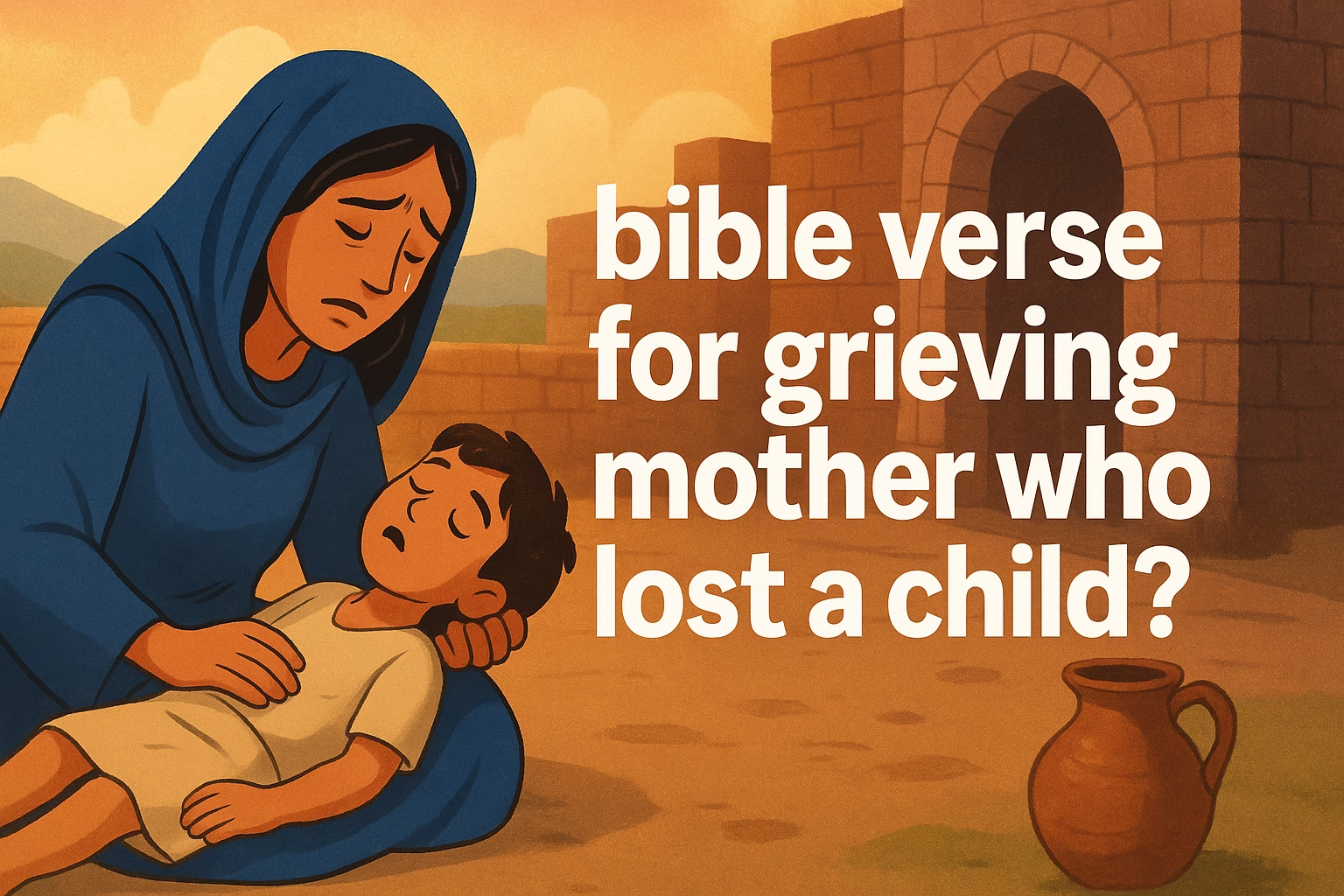
Grieving the loss of a child is an unimaginable sorrow that no parent should have to bear. In such times of deep pain and confusion, many seek comfort and understanding in Scripture. The Bible offers profound insights and verses that can help grieving mothers find solace, hope, and strength in their darkest moments.
One of the most comforting aspects of the Bible is its acknowledgment of grief and suffering. It provides assurance that God is close to the brokenhearted and offers healing to those who are crushed in spirit. Here, we explore several key verses and their meanings to help grieving mothers navigate their loss.
God’s Presence in Grief
One of the most reassuring passages for anyone in mourning is found in Psalm 34:18, which states, “The Lord is close to the brokenhearted and saves those who are crushed in spirit.” This verse reminds us that during our most painful moments, God is present with us. He understands our sorrow and offers His comfort. In times of grief, it can be easy to feel isolated, but this verse encourages mothers to remember that they are never alone. God walks alongside them, holding their hearts in His hands.
Jesus Weeps
Another powerful reminder of God’s empathy can be found in the story of Lazarus in John 11:35, where it simply states, “Jesus wept.” This shortest verse in the Bible reveals the depth of Jesus’ compassion for those who mourn. When He learned of Lazarus’ death, He was moved to tears, showing that grief is a natural and human response. For a grieving mother, knowing that Jesus Himself experienced sorrow can be a source of comfort. He understands the pain of loss and is there to share in that burden.
Hope for the Future
In the midst of grief, it can be difficult to see beyond the present pain. However, Scripture offers hope for the future. In 2 Corinthians 1:3-4, Paul writes, “Praise be to the God and Father of our Lord Jesus Christ, the Father of compassion and the God of all comfort, who comforts us in all our troubles.” This passage emphasizes that God not only comforts us during our suffering but also prepares us to comfort others in their time of need. This cycle of comfort can lead to healing and purpose, even in the wake of tragedy.
The Promise of Eternal Life
For many grieving mothers, the hope of seeing their child again is a source of comfort. In John 14:1-3, Jesus reassures His disciples, saying, “Do not let your hearts be troubled. You believe in God; believe also in me. My Father’s house has many rooms… I am going there to prepare a place for you.” This promise of eternal life offers a glimpse of hope beyond this earthly existence. For those who believe, the assurance of being reunited with loved ones in heaven can provide immense comfort during times of grief.
Finding Strength in Weakness
Grief can feel overwhelming, and it often leaves a person feeling weak and vulnerable. In 2 Corinthians 12:9, Paul shares God’s words: “My grace is sufficient for you, for my power is made perfect in weakness.” This verse serves as a reminder that it is okay to feel weak and to lean on God during these difficult times. His grace is more than enough to sustain us through our darkest hours. Grieving mothers can find strength in admitting their pain and allowing God’s power to work through their weakness.
Comfort from Community
It is also important to acknowledge the role of community during grief. In Galatians 6:2, we are instructed to “Carry each other’s burdens, and in this way, you will fulfill the law of Christ.” Surrounding oneself with supportive friends and family can be vital in the healing process. Sharing memories, expressing feelings, and simply being present for one another can provide a sense of comfort and solidarity. Grieving mothers should not hesitate to seek out their community for support, as it is through these relationships that God often works to bring healing and hope.
Understanding God’s Plan
When faced with the loss of a child, it is natural to question why such a tragedy occurs. Romans 8:28 offers a perspective that can be difficult to grasp but is essential for faith: “And we know that in all things God works for the good of those who love him, who have been called according to his purpose.” This verse suggests that even in our deepest pain, God has a plan and purpose. While we may not understand the reasons behind our suffering, we can trust that God is working for our ultimate good.
The Assurance of God’s Love
Lastly, it is crucial for grieving mothers to remember that God’s love is unwavering. In Romans 8:38-39, Paul assures us that nothing can separate us from the love of God. “For I am convinced that neither death nor life, neither angels nor demons, neither the present nor the future, nor any powers, neither height nor depth, nor anything else in all creation, will be able to separate us from the love of God.” This powerful affirmation can serve as a reminder that even in the depths of grief, God’s love remains constant and unchanging.
Scriptural Reflections on Loss
As grieving mothers seek comfort in Scripture, reflecting on the broader context of the Bible can provide further insights. The Bible is filled with stories of loss, mourning, and eventual healing. For instance, the book of Job tells the story of a man who faced immense suffering and loss, yet his journey illustrates the struggle between despair and faith. Job’s unwavering trust in God, even when he faced the worst tragedies, serves as a powerful reminder that faith can coexist with grief.
In Job 1:21, he famously declares, “The Lord gave, and the Lord has taken away; blessed be the name of the Lord.” This acknowledgment of God’s sovereignty over life and death can encourage grieving mothers to lean into their faith, even when questioning why such a loss has occurred. It highlights the importance of honoring both the joy that the child brought into their lives and the pain of their absence.
The Role of Lamentation
The Bible also contains many examples of lamentation, where individuals express their deep sorrow and grief. The book of Lamentations, traditionally attributed to the prophet Jeremiah, is a poignant expression of mourning over the destruction of Jerusalem. In Lamentations 3:19-20, the author reflects on his afflictions and bitterness, capturing the rawness of grief. This biblical example shows that it is entirely normal to voice feelings of despair and sorrow. Lamentation can be a pathway to healing, allowing mothers to process their emotions and seek God’s comfort in their pain.
Questions for Reflection and Healing
In addition to seeking comfort through Scripture, it can be helpful for grieving mothers to engage in self-reflection. Here are some meaningful questions to consider:
- What memories of my child bring me joy, and how can I celebrate their life?
- In what ways have I felt God’s presence during my grief?
- How can I share my story and experiences with others who may be going through similar losses?
- What practices can I adopt to honor my child’s memory while allowing myself to heal?
- How can I lean on my faith community for support during this time?
Taking time to reflect on these questions can foster healing and help grieving mothers find a way to navigate their sorrow while keeping the memory of their child alive.
Prayer as a Source of Comfort
Prayer can also be a vital part of the healing process. It serves as a personal dialogue with God, allowing mothers to express their grief, anger, and questions directly. Philippians 4:6-7 encourages believers to present their requests to God in prayer, assuring them that His peace will guard their hearts and minds. Grieving mothers may find solace in pouring out their hearts to God, asking for strength, comfort, and understanding. It can be a powerful way to process their emotions and feel the presence of God in their lives.
Engaging with Supportive Resources
In addition to prayer and Scripture, seeking external resources can be beneficial for grieving mothers. Support groups, counseling, and literature on grief can provide additional perspectives and coping strategies. Many churches and community organizations offer support groups specifically for parents who have lost children. Engaging with others who share similar experiences can foster a sense of belonging and understanding.
Books and online resources can also provide valuable insights into the grieving process. Many authors have written about their own experiences with loss, offering hope and guidance through their stories. Exploring these materials can provide comfort and practical advice for navigating the complex emotions associated with grief.
Finding New Purpose and Meaning
As time passes, grieving mothers may begin to explore how their loss can lead to new purpose and meaning. This does not mean forgetting the child; rather, it involves finding ways to honor their memory through acts of love and kindness. Some mothers choose to become advocates for child health and safety, while others may engage in charitable work in their child’s name. This transformation can be a way to channel grief into positive actions that impact others, reflecting the love they have for their child.
Embracing the Journey of Grief
Finally, it is important to recognize that grief is a journey, not a destination. Each person experiences loss in unique ways and at their own pace. There is no right or wrong way to grieve, and it is essential to allow oneself the grace to feel, heal, and grow. The Bible teaches that God’s love and grace are sufficient in our weakest moments. By holding onto faith and seeking support, grieving mothers can navigate their sorrow and find hope in the promise of God’s eternal presence.
Conclusion: A Path to Healing
In conclusion, the Bible offers profound verses and teachings that can comfort grieving mothers who have lost a child. From God’s presence in our grief to the promise of eternal life, these truths provide solace and hope. Embracing the journey of grief through prayer, reflection, and community support can help mothers find healing while honoring the memory of their beloved child. As they navigate this difficult path, may they feel the enduring love of God surrounding them, guiding them toward peace and restoration.
For more insights on coping with grief, visit Bible Verses About Grief and Loss and Bible Verses When Sad.