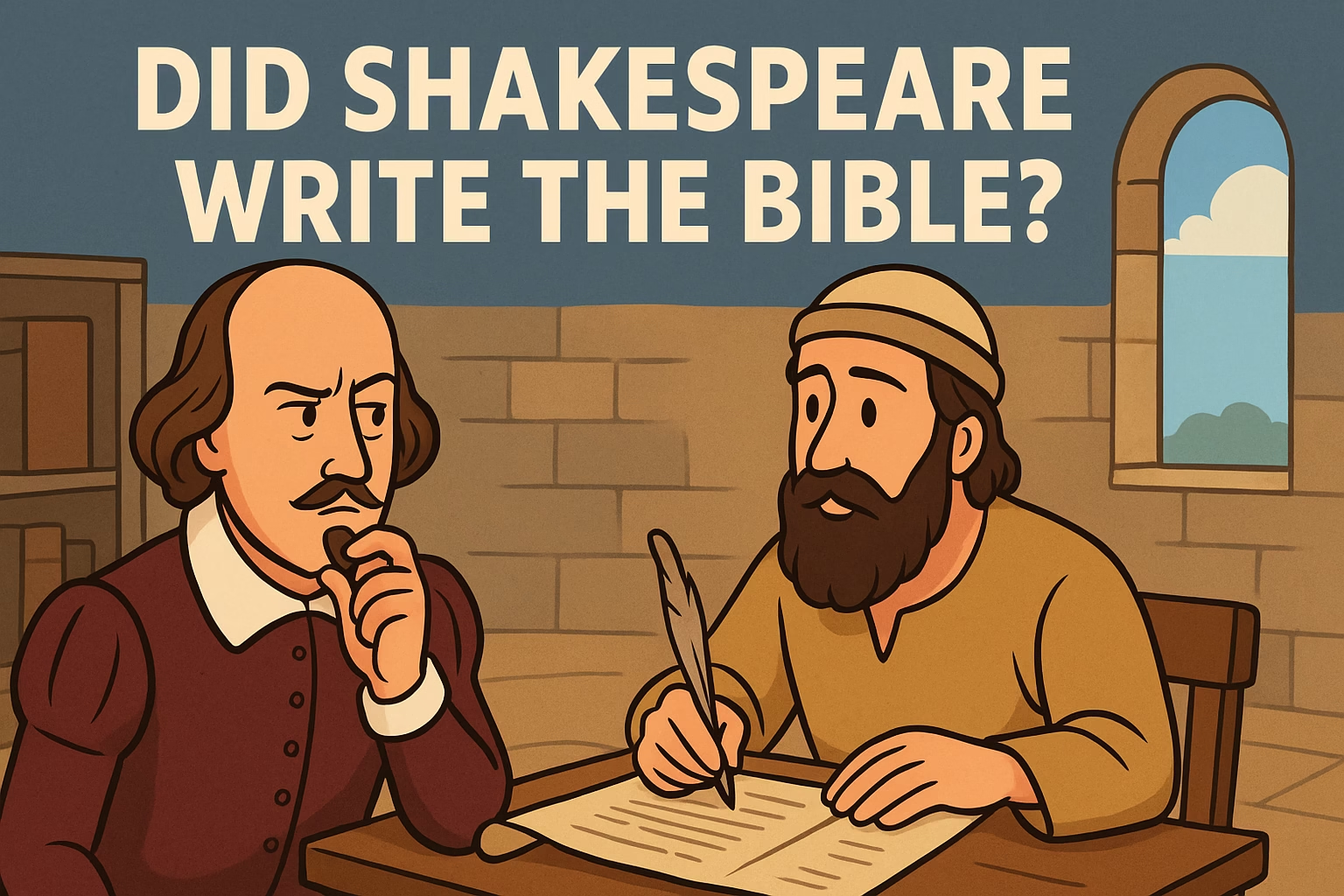
The question of whether William Shakespeare wrote the Bible is an intriguing one that often arises from a mix of curiosity and misunderstanding regarding the origins of both Shakespearean works and biblical texts. As one of the most celebrated playwrights and poets in the English language, Shakespeare’s influence on literature is profound. However, it is essential to clarify the distinct origins and authorship of the Bible, which is a collection of sacred texts significant to Christianity and Judaism.
To answer the question directly: No, Shakespeare did not write the Bible. The Bible was written by numerous authors over many centuries, and its texts were composed in various historical and cultural contexts, entirely separate from Shakespeare’s time and influence.
The Origins of the Bible
The Bible consists of two main sections: the Old Testament and the New Testament. The Old Testament, also known as the Hebrew Scriptures, includes texts that were written over a span of about a thousand years. These writings comprise historical accounts, poetry, prophecy, and laws, attributed to various authors such as Moses, David, Solomon, and the prophets.
The New Testament, which focuses on the life and teachings of Jesus Christ and the early Christian church, was written in the first century AD. Its authors include the apostles Matthew, Mark, Luke, John, Paul, and others. Each book reflects the beliefs, experiences, and theological insights of its author and the communities they served.
Shakespeare’s Timeline
William Shakespeare lived from 1564 to 1616, a period that came long after the Bible was completed. The King James Version of the Bible, which is the most widely recognized English translation, was published in 1611, just a few years before Shakespeare’s death. While Shakespeare’s works were being performed and published, the Bible was already a well-established text, having been translated into English and other languages several times before his time.
Shakespeare’s literary contributions, including plays like “Hamlet,” “Macbeth,” and “Romeo and Juliet,” showcase his mastery of language and deep understanding of human nature. However, none of his works are scriptural in nature, nor do they claim to be divinely inspired as the Bible does.
Understanding Scriptural Authorship
The Bible’s claim of divine inspiration sets it apart from other literary works. According to 2 Timothy 3:16-17, “All Scripture is inspired by God and is useful to teach us what is true.” This belief in divine authorship led early Christians and Jews to regard these texts as sacred and authoritative.
In contrast, Shakespeare’s writings, while rich in themes of morality, love, and the human experience, are products of his imagination and creativity. They reflect the cultural, social, and political environment of Elizabethan England rather than divine revelation.
Common Misunderstandings and Theories
Some theories suggest that Shakespeare might have had a significant influence on biblical interpretation or that his writings contain biblical allusions. While Shakespeare often incorporated religious themes and biblical references into his plays, this does not mean he authored the scriptures themselves. His works reflect the moral and ethical dilemmas faced by humanity, which can parallel biblical themes, but they are not inspired texts.
For example, in “Hamlet,” the character grapples with questions of life, death, and morality, themes that resonate with biblical teachings. However, this does not imply that Shakespeare was writing scripture.
Shakespeare and the Bible in Cultural Context
During Shakespeare’s lifetime, the Bible played a central role in English society. The Protestant Reformation had led to increased accessibility of the Scriptures, and many people were familiar with biblical stories and teachings. Shakespeare’s audience would have recognized the biblical references woven into his plays and sonnets, enriching their understanding of the themes he explored.
For instance, in “The Merchant of Venice,” Shakespeare alludes to the concept of mercy, a theme prominent in biblical texts, particularly in the teachings of Jesus. Such references demonstrate Shakespeare’s awareness of Scripture and its impact on society, but they do not equate to authorship.
The Impact of the Bible on Shakespeare’s Works
While Shakespeare did not write the Bible, the influence of biblical texts on his works is undeniable. Many of his plays contain moral lessons, reflections on human nature, and explorations of faith and doubt, all of which echo biblical themes.
In “King Lear,” for example, the themes of justice and redemption resonate with biblical narratives, particularly the idea of a fallen world in need of restoration. Shakespeare’s ability to engage with these themes shows his literary prowess, but it is essential to recognize that he was not the originator of these ideas.
In summary, Shakespeare’s relationship with the Bible is one of cultural interplay rather than authorship. His works reflect a deep engagement with the moral and ethical questions that also permeate biblical texts, but the Bible itself remains a distinct collection of writings authored by various individuals inspired by God.
The Role of Biblical Themes in Shakespeare’s Plays
To further understand the connection between Shakespeare and the Bible, it is important to examine how biblical themes are interwoven throughout his plays. Shakespeare often grappled with existential questions that align closely with biblical teachings. These themes include justice, mercy, redemption, and the nature of good and evil.
For instance, in “Romeo and Juliet,” the concept of fate versus free will resonates with biblical discussions about divine providence and human choice. The tragic ending raises questions about the consequences of choice, much like biblical narratives explore the repercussions of human decisions in the context of God’s will.
Moreover, Shakespeare’s exploration of forgiveness and reconciliation is evident in plays such as “The Tempest.” The character of Prospero embodies the journey toward forgiveness, reflecting the biblical call to forgive others. This thematic exploration illustrates Shakespeare’s engagement with moral questions that are central to the Christian faith.
Shakespeare’s Use of Biblical Language
Another significant aspect of Shakespeare’s relationship with the Bible is his use of biblical language and imagery. His works are rich with phrases and expressions that have biblical origins. For example, phrases like “the quality of mercy is not strained” from “The Merchant of Venice” echo biblical teachings on mercy found in the New Testament.
Shakespeare’s ability to utilize language that resonates with biblical texts not only enhances the emotional impact of his plays but also reflects the cultural milieu of his time, where the Bible was a foundational text for many people. The language of the King James Bible, which was contemporary to Shakespeare, has permeated English literature, including his own works.
Theological Interpretations in Shakespeare’s Works
Scholars have long debated the theological implications present in Shakespeare’s writings. Some argue that Shakespeare’s worldview aligns with a Christian understanding of morality, while others suggest a more agnostic or humanistic perspective. Regardless of interpretation, it is clear that Shakespeare was influenced by the religious landscape of his time.
In “Measure for Measure,” for example, the play raises questions about justice and mercy, paralleling biblical themes found in the teachings of Christ. The character of Isabella embodies a struggle between moral integrity and the harsh realities of the world, reflecting the tension between divine justice and human fallibility.
Shakespeare’s Influence on Later Biblical Interpretations
While Shakespeare did not write the Bible, his works have influenced how some perceive biblical stories and themes. The emotional depth and complexity of his characters often mirror the struggles found in biblical narratives, leading readers and audiences to draw parallels between his characters and biblical figures.
For example, the character of King Lear can be seen as a reflection of biblical kings who face moral dilemmas and the consequences of their actions. Such comparisons encourage a deeper exploration of the human condition as depicted in both Shakespeare’s plays and biblical texts.
Questions for Reflection
As we consider the relationship between Shakespeare and the Bible, several questions arise that can deepen our understanding of both. How do Shakespeare’s themes of love, sacrifice, and redemption reflect biblical teachings? In what ways do his characters struggle with moral choices similar to those found in scripture? Furthermore, how does Shakespeare’s use of biblical language enhance the themes he explores in his works?
These questions invite readers to reflect on the broader implications of Shakespeare’s influence on literature and how biblical themes continue to resonate in contemporary discussions of morality and human experience.
Conclusion: Shakespeare’s Legacy in Light of Biblical Influence
In conclusion, while William Shakespeare did not write the Bible, his literary works exhibit a profound engagement with biblical themes and language. His ability to reflect on moral dilemmas, human nature, and existential questions demonstrates the lasting impact of biblical texts on literature and culture. The interplay between Shakespeare’s works and the Bible enriches our understanding of both, highlighting the universal struggles of humanity that transcend time and culture.
Ultimately, exploring Shakespeare’s relationship with the Bible allows us to appreciate the depth of his artistry while recognizing the distinct origins and authorship of the sacred texts that continue to guide and inspire countless lives around the world.
For additional Bible-related insights, consider exploring the Bible and literature and understanding biblical themes.