The concept of the rapture has intrigued and puzzled many Christians throughout the centuries. It is often discussed in the context of end times prophecies and the return of Jesus Christ. This article will explore the biblical foundation of the rapture, its significance, and how it has been interpreted within Christian traditions.
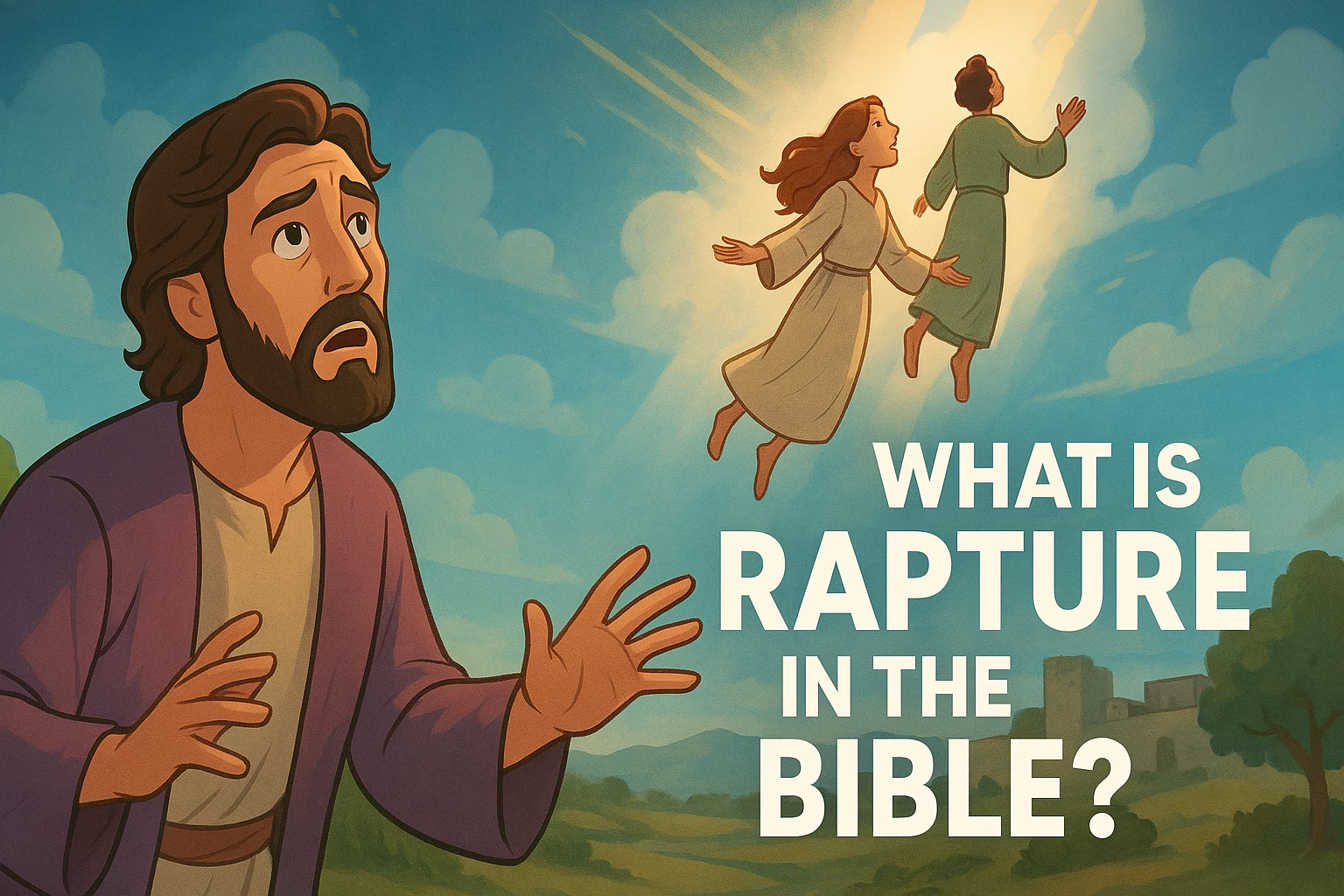
At its core, the rapture refers to the belief that Jesus will return to take His followers to be with Him, often described as a sudden event where believers are caught up to meet the Lord in the air. This belief is primarily based on passages from the New Testament, particularly in the letters of Paul and the book of Revelation. However, interpretations vary widely among different Christian denominations and theologians.
Key Biblical Passages on the Rapture
1 Thessalonians 4:13-18
One of the most cited passages regarding the rapture is found in 1 Thessalonians 4:13-18. The Apostle Paul writes to the Thessalonian church, encouraging them concerning those who have died in Christ. He assures them that when Jesus returns, the dead in Christ will rise first, and those who are alive will be caught up together with them in the clouds to meet the Lord. This passage is often seen as a direct reference to the rapture, emphasizing the hope of eternal life and reunion with loved ones.
“For the Lord himself will come down from heaven, with a loud command, with the voice of the archangel and with the trumpet call of God, and the dead in Christ will rise first.” (1 Thessalonians 4:16, NLT)
Matthew 24:36-44
In Matthew 24, Jesus speaks about His return and the signs of the end times. He emphasizes the unpredictability of His coming, likening it to the days of Noah when people were unaware of the impending judgment. In this context, He mentions that two people will be in the field, and one will be taken while the other is left. This has been interpreted by some as a reference to the rapture, where believers will be taken away while others remain.
Different Interpretations of the Rapture
Pre-Tribulation Rapture
One of the most popular interpretations is the pre-tribulation rapture view. Proponents of this belief argue that the rapture will occur before a period of great tribulation described in the book of Revelation. They believe that God will spare His faithful followers from this time of suffering. This view has gained traction through the influence of books and teachings, particularly in the 20th century.
Mid-Tribulation and Post-Tribulation Views
Other interpretations include the mid-tribulation and post-tribulation views. The mid-tribulation perspective holds that the rapture will happen in the middle of the tribulation period, while the post-tribulation view suggests that believers will endure the tribulation and be raptured at the end of it. Each of these interpretations is supported by various scriptural passages and theological arguments, reflecting the diversity of thought within Christianity.
Theological Significance of the Rapture
The rapture is significant for several reasons. First, it embodies the hope of believers in the promise of eternal life. The assurance that Jesus will return and gather His followers provides comfort in times of trouble and uncertainty. Additionally, it highlights the importance of being spiritually prepared and living in a way that reflects one’s faith.
The Call to Watchfulness
In the teachings of Jesus, the call to watchfulness is a recurring theme. Believers are encouraged to remain vigilant and ready for His return. This sense of anticipation is not just about the event of the rapture itself but also about living a life that honors God. The teachings in Matthew 25 about the wise and foolish virgins illustrate the importance of being prepared for the coming of the bridegroom.
The Rapture and the Second Coming
It is important to distinguish between the rapture and the second coming of Christ. While the rapture involves believers being caught up to meet the Lord in the air, the second coming refers to Christ’s return to earth to establish His kingdom. Some theologians argue that these events are separate, while others see them as part of the same overarching narrative of redemption and restoration.
Controversies and Debates
The doctrine of the rapture has not been without its controversies. Some Christians question the validity of the concept altogether, arguing that the term “rapture” does not appear in the Bible and that the passages often cited do not support a distinct event. Others express concerns about the potential for fear-mongering or sensationalism surrounding end times teachings.
Furthermore, the varying interpretations of key passages have led to significant debates among theologians and scholars. Different Christian traditions emphasize different aspects of eschatology, leading to a rich but complex landscape of beliefs surrounding the end times.
In summary, the rapture is a significant and often debated topic within Christianity. Its roots can be traced back to specific biblical passages, primarily in the New Testament, and it carries profound theological implications for believers. As we continue to explore this topic, it is essential to approach it with an open heart and a desire to understand the diverse perspectives within the Christian faith.
Further Biblical Context of the Rapture
To deepen our understanding of the rapture, it is essential to consider the broader biblical context regarding the end times and God’s plan for humanity. The concept of being ‘caught up’ is not isolated to the New Testament; it has roots in the Old Testament as well. For instance, the story of Enoch in Genesis 5:24 illustrates the idea of being taken by God, as it states, “Enoch walked faithfully with God; then he was no more, because God took him away.” This early example sets a precedent for the rapture concept, where God removes a faithful follower from the earth.
The Role of the Church
The rapture is also tied to the role of the Church in God’s redemptive plan. Many believe that the rapture signifies the moment when the Church, as the body of Christ, is united with Him. This union emphasizes the Church’s importance in God’s mission and highlights the hope believers have in being part of His divine family. In Ephesians 5:25-27, Paul describes the Church as the bride of Christ, which adds a relational dimension to the rapture concept, underscoring love, commitment, and preparation.
Signs and Events Leading to the Rapture
Various passages in the Bible discuss signs that may precede the rapture. In Matthew 24, Jesus provides warnings about false prophets, wars, and natural disasters as indicators of the end times. While these signs may not directly correlate to the rapture, they serve to remind believers to stay alert. The emphasis on watchfulness and discernment is crucial, as it encourages Christians to live in a way that reflects their faith and readiness for Christ’s return.
The Nature of the Rapture
Understanding the nature of the rapture is also important. It is often described as a sudden and transformative event. In 1 Corinthians 15:51-52, Paul writes about how believers will be changed “in a flash, in the twinkling of an eye.” This instantaneous transformation reinforces the idea of the rapture being a divine act of grace, where God intervenes in human history to gather His people. The miraculous nature of this event highlights God’s sovereignty and power over creation.
The Relationship Between the Rapture and Tribulation
The relationship between the rapture and tribulation is a topic of significant debate. As mentioned earlier, proponents of the pre-tribulation view believe that the rapture will occur before a period of intense suffering. Conversely, those who hold to the post-tribulation view argue that believers will experience tribulation before the rapture. This discussion raises important questions about God’s purpose in allowing suffering and how it affects the faith of believers. Understanding these perspectives can help Christians navigate their own beliefs regarding God’s timing and the nature of His promises.
Living in Light of the Rapture
The belief in the rapture encourages Christians to live with a sense of urgency and purpose. The anticipation of Christ’s return should motivate believers to share their faith, serve others, and grow spiritually. The teachings of Jesus in the Gospels consistently emphasize the importance of being active in one’s faith, as seen in the parable of the talents (Matthew 25:14-30). This parable illustrates that believers are entrusted with responsibilities and are called to be faithful stewards of what God has given them.
Questions for Reflection
As we consider the rapture and its implications, several important questions arise:
- How does the belief in the rapture affect your daily life and spiritual practices?
- In what ways can you be more prepared for Christ’s return?
- How should Christians respond to differing interpretations of the rapture within the Church?
- What role does hope play in your understanding of the rapture and the promises of God?
These questions can serve as a guide for personal reflection and group discussions, fostering a deeper understanding of this significant topic.
Conclusion: Embracing the Hope of the Rapture
The rapture remains a profound and often debated topic within Christianity, inviting believers to explore its implications for their faith and daily lives. While interpretations may vary, the core message of hope and anticipation unites those who believe in the promise of Christ’s return. As we await this event, let us focus on living lives that reflect our faith, engage with Scripture, and encourage one another in our spiritual journeys. Ultimately, the rapture is a reminder of God’s faithfulness and the love He has for His people, assuring us that we are never alone in our waiting.
For further exploration of biblical teachings, consider these related articles: how to understand the Bible and what is the second coming of Christ.