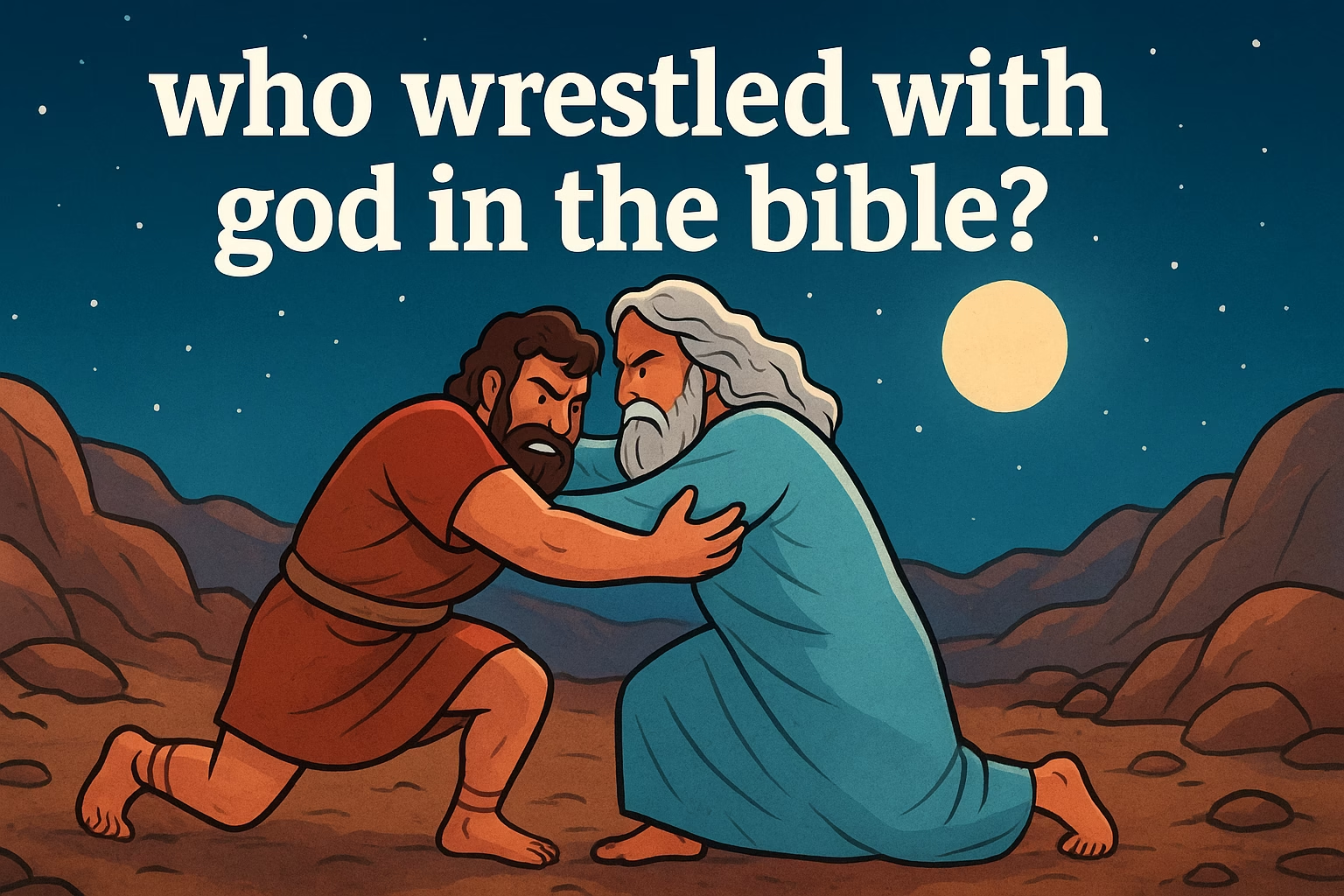
The Bible presents many fascinating stories, but one of the most intriguing involves a man who wrestled with God. This encounter is rich in meaning and significance, providing insights into faith, struggle, and divine interaction. In this article, we will explore who wrestled with God, the context of this encounter, and its implications for believers today.
The individual who wrestled with God is Jacob, a key figure in the Old Testament. This event is detailed in the book of Genesis, specifically in Genesis 32:22-32. Jacob’s wrestling match took place during a pivotal moment in his life as he prepared to face his brother Esau, from whom he had been estranged for many years.
Background of Jacob’s Life
To fully understand the significance of Jacob’s wrestling match, it is essential to look at his background. Jacob was the son of Isaac and Rebekah and the twin brother of Esau. From the beginning, Jacob’s life was marked by struggle and conflict. He famously obtained his brother’s birthright and later deceived their father, Isaac, to receive the blessing intended for Esau. These actions led to a rift between the brothers, causing Jacob to flee for his life.
Jacob’s Journey
Jacob spent years away from home, marrying Leah and Rachel and raising a family. Despite his success in accumulating wealth and a large family, Jacob’s past continued to haunt him. As he prepared to return home, he was filled with fear and anxiety about meeting Esau, who he believed might still harbor resentment.
The Night of the Struggle
In Genesis 32:22-32, we find the account of Jacob’s encounter with God. As night fell, Jacob sent his family and possessions across the Jabbok River, remaining alone on the other side. It was during this solitude that he encountered a mysterious figure, often interpreted as a divine being or God Himself. The text states that Jacob wrestled with this figure until daybreak.
The Nature of the Struggle
This wrestling match is not merely a physical contest but also a deep spiritual struggle. Jacob, known for his tenacity and determination, fought vigorously. The struggle symbolizes Jacob’s internal conflict regarding his identity, his past actions, and his relationship with God. It reflects the broader theme of wrestling with faith, doubt, and the consequences of one’s choices.
Identity and Transformation
As the struggle continued, the divine figure eventually touched Jacob’s hip, causing him to limp. This injury was significant; it served as a physical reminder of the encounter and the transformation that was taking place. The figure then asked Jacob for his name. In biblical tradition, knowing someone’s name often signifies authority over them. Jacob replied, “Jacob,” which means “deceiver” or “supplanter.” In response, the figure declared that Jacob would no longer be called Jacob but Israel, meaning “he struggles with God.” This change in name marked a pivotal moment in Jacob’s life, signifying a new identity and purpose.
The Significance of the New Name
The renaming of Jacob to Israel carries profound implications. It signifies a shift from being defined by his past actions to being recognized for his perseverance and struggle in faith. This change is not just personal; it also has broader implications for the nation of Israel, which would descend from Jacob. The name Israel represents a people chosen by God who would continue to wrestle with faith, obedience, and divine covenant throughout history.
God’s Blessing and Jacob’s Response
After the wrestling match, Jacob sought a blessing from the divine figure. This request highlights Jacob’s desire for affirmation and assurance as he faced an uncertain future. The figure granted Jacob’s request, blessing him, which further solidified his new identity as Israel. The encounter left Jacob with a permanent reminder of his struggle, as he walked with a limp, symbolizing both vulnerability and strength.
Theological Implications
This encounter raises important theological themes. First, it illustrates the concept of divine struggle. God meets individuals in their struggles, inviting them to confront their fears, doubts, and past mistakes. Jacob’s wrestling match serves as a metaphor for the believer’s journey, where faith is often tested through trials and tribulations.
Additionally, the story emphasizes God’s willingness to engage with humanity on a personal level. The wrestling match signifies that God is not distant or uninvolved but is deeply interested in the lives of His people. This relational aspect of God is vital for understanding the nature of faith and the divine-human relationship.
Lessons from Jacob’s Encounter
The story of Jacob wrestling with God offers several lessons for believers today. First, it reminds us that struggle is a part of faith. Every believer will face moments of doubt, fear, and uncertainty. These struggles can lead to growth and transformation, just as they did for Jacob.
- Embrace the Struggle: Rather than avoiding difficult moments, embrace them as opportunities for growth.
- Seek God’s Blessing: In times of uncertainty, like Jacob, seek God’s guidance and affirmation.
- Transformation is Possible: Just as Jacob was transformed into Israel, we too can experience new identities in Christ.
As we reflect on Jacob’s encounter with God, we are reminded that wrestling with our faith can lead to deeper understanding and stronger relationships with God. The story encourages us to engage with our struggles and seek divine blessings as we navigate our own journeys of faith.
Theological Reflections on Jacob’s Wrestling Match
The story of Jacob wrestling with God offers profound theological insights that resonate throughout the Bible. This encounter is not just an isolated event; it lays the groundwork for understanding humanity’s ongoing relationship with God. Jacob’s struggle highlights how God invites believers into a dynamic and often tumultuous relationship, where doubts and questions can lead to deeper faith.
The Nature of Divine Encounters
Jacob’s wrestling match illustrates the concept of divine encounters as transformative experiences. Throughout the Bible, encounters with God often lead to a change in identity or mission. For instance, Moses encountered God in the burning bush and was called to lead the Israelites out of Egypt. Similarly, Isaiah’s vision in the temple led to his commissioning as a prophet. These pivotal moments, like Jacob’s, challenge individuals to confront their fears and embrace their God-given purpose.
Moreover, Jacob’s encounter can be seen as a prelude to the New Testament theme of wrestling with God through Jesus Christ. In Christ, believers are invited into a relationship that involves both struggle and grace. Jesus Himself wrestled with His mission in the Garden of Gethsemane, demonstrating that even the Son of God faced moments of deep anguish and questioning. This continuity emphasizes that wrestling with faith is not only normal but also an integral part of the Christian journey.
Symbolism of the Limp
Jacob’s limp serves as a powerful symbol within this narrative. It represents the lasting impact of his encounter with God. Walking with a limp signifies that Jacob, now Israel, bore the marks of his struggle and transformation. In the Christian context, the limp can be likened to the scars of our own struggles and experiences. They serve as reminders of God’s faithfulness and the growth that emerges from trials.
This idea is echoed in 2 Corinthians 12:9-10, where Paul writes about his own weaknesses and how they allow God’s strength to be made perfect. Just as Jacob’s limp was a sign of his encounter, our struggles and scars can become testimonies of God’s grace and power at work in our lives.
The Role of Community
Jacob’s story also highlights the importance of community in the journey of faith. After wrestling with God, Jacob was not only transformed personally but also called to reconcile with Esau, his brother. This reconciliation was crucial, as it demonstrated the importance of relationships in the life of a believer. The act of wrestling can often be a solitary experience, but it should lead us back into community, fostering healing and restoration.
In the New Testament, the early church is portrayed as a community that wrestles with faith together. Believers are called to bear one another’s burdens (Galatians 6:2) and encourage each other in their struggles. This communal aspect of faith underscores that while individual wrestles with God are vital, they are part of a larger narrative that includes and supports the body of Christ.
Questions for Reflection
As we consider Jacob’s encounter with God, it is essential to reflect on its implications for our lives. Here are some questions to ponder:
- What struggles am I currently facing that may be an opportunity for growth in my faith?
- How can I invite God into my struggles rather than trying to handle them alone?
- In what ways do my experiences of wrestling with faith connect me to the broader community of believers?
- How can I seek God’s blessing in my life, especially during times of uncertainty?
- What does my “limp” or struggle signify in my journey of faith?
These questions can help guide personal reflection and foster deeper engagement with the themes presented in Jacob’s story. They remind us that wrestling with God is not an end in itself but a pathway to transformation and deeper relationship with the divine.
Conclusion: Embracing the Struggle
The story of Jacob wrestling with God serves as a powerful reminder that struggle is an integral part of the faith journey. Through this encounter, we see that God invites us to engage with our doubts and fears, ultimately leading to transformation and a new identity. Jacob’s experience illustrates the importance of seeking God’s blessing and recognizing that our struggles can be a source of strength and testimony.
As we navigate our own lives, may we embrace the wrestling matches that come our way, trusting that they lead us to a deeper understanding of ourselves and our relationship with God. Just as Jacob emerged as Israel, may we too emerge transformed, ready to fulfill our calling and share the blessings we have received.
For further exploration of biblical themes surrounding struggle and faith, you can read more about the nature of divine encounters and how community plays a role in our spiritual journeys in Christian fellowship.