
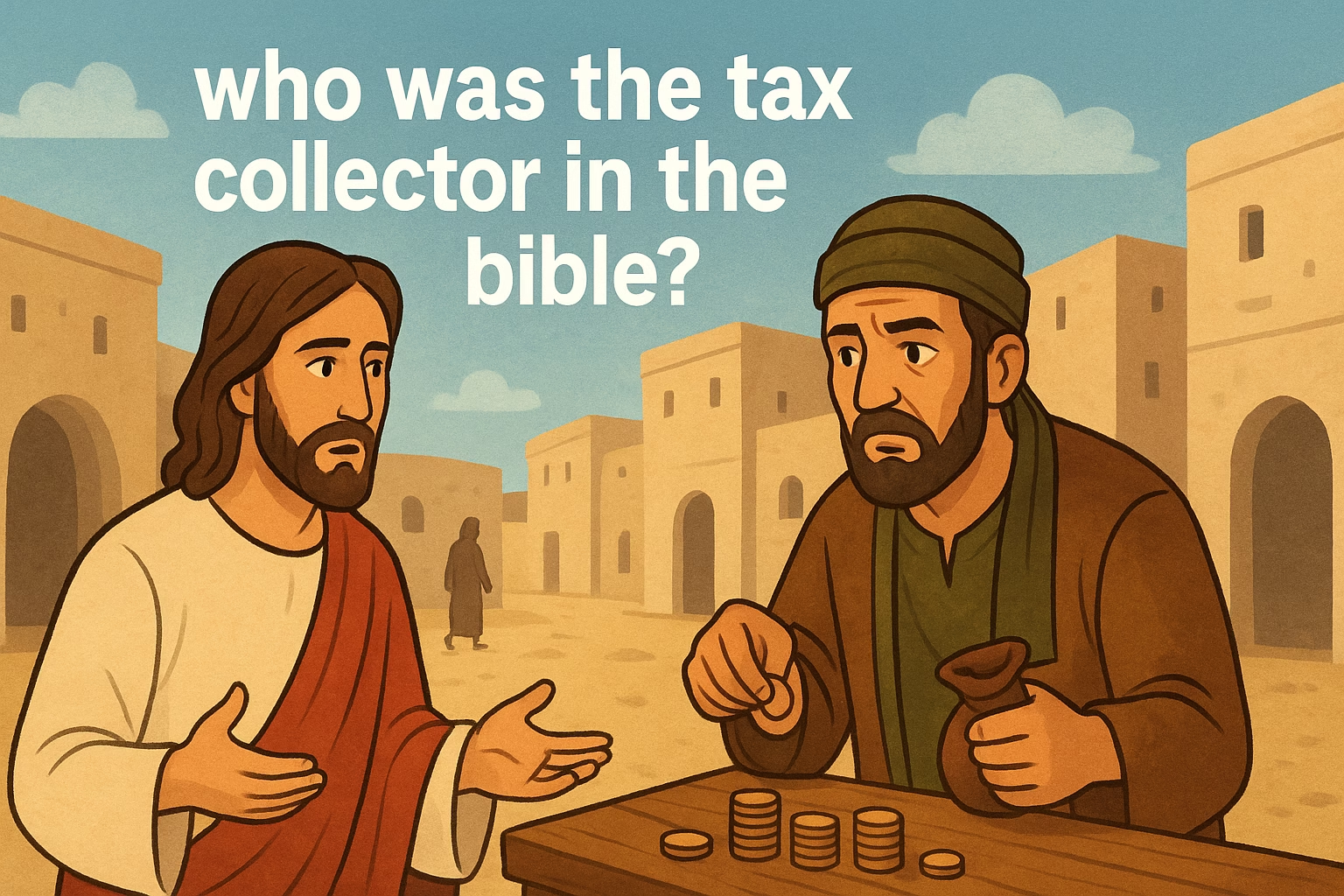
Tax collectors in the Bible often served as a symbol of societal disdain, yet their stories reveal much about grace, redemption, and the heart of Jesus. In this article, we will explore who these tax collectors were, their role in society, and how they are portrayed in Scripture.
Tax collectors, or publicans, were individuals responsible for collecting taxes on behalf of the Roman Empire. They were typically despised by their fellow Jews for several reasons, including their collaboration with the occupying Roman authorities and often corrupt practices. Notable tax collectors in the Bible include Matthew, also known as Levi, and Zacchaeus, each with a unique story of transformation and encounter with Jesus.
The Role of Tax Collectors in Ancient Israel
In the context of first-century Judea, tax collectors were agents of the Roman government, tasked with collecting taxes from the local populace. This arrangement often led to resentment among the Jewish people, as taxes were seen as a burden imposed by a foreign power. Furthermore, tax collectors were known to extort money from the people, collecting more than what was required and pocketing the excess for themselves.
Because of their dishonest practices, tax collectors were often labeled as sinners. In Jewish society, they were considered outcasts, and their profession placed them on the fringes of acceptable social behavior. This stigma is reflected in various passages throughout the Gospels, where tax collectors are frequently mentioned alongside sinners and outcasts.
Matthew: The Tax Collector Who Became an Apostle
One of the most well-known tax collectors in the Bible is Matthew, also called Levi. He is featured prominently in the Gospels, particularly in Matthew 9:9-13, where Jesus calls him to follow Him. The passage states, “As Jesus was walking along, he saw a man named Matthew sitting at his tax collector’s booth. ‘Follow me and be my
Zacchaeus: A Transformative Encounter
Zacchaeus, another prominent tax collector in the Bible, is featured in the Gospel of Luke (19:1-10). Unlike Matthew, Zacchaeus is described as a wealthy chief tax collector, emphasizing his high status within the corrupt system. His story illustrates the transformative power of Jesus’ acceptance and love.
Short in stature, Zacchaeus climbed a sycamore tree to see Jesus as He passed through Jericho. When Jesus spotted him, He called him by name and invited Himself to Zacchaeus’ home. This unexpected honor shocked the crowd, who grumbled at Jesus’ choice to associate with a sinner. However, this encounter led to Zacchaeus’ repentance. He vowed to give half of his possessions to the poor and repay anyone he had cheated four times the amount. This radical change showcases the impact of Jesus’ grace, turning a despised tax collector into a generous benefactor.
The Parable of the Pharisee and the Tax Collector
The Bible also presents a significant parable concerning tax collectors in Luke 18:9-14. In this story, Jesus contrasts the self-righteousness of a Pharisee with the humility of a tax collector who prays for mercy. While the Pharisee boasts of his religious practices, the tax collector stands at a distance, beating his breast and simply asking God for forgiveness.
This parable highlights the attitudes of the time and serves as a powerful reminder of God’s grace. Jesus concludes that it was the humble tax collector who went home justified before God, not the Pharisee. This teaching challenges the societal norms of righteousness and underscores the idea that true repentance and humility are valued by God over mere outward appearances of piety.
Tax Collectors in the Early Church
The role of tax collectors in the early church was not merely a historical footnote; it had implications for the followers of Jesus. As the early Christians spread the message of the Gospel, they were called to extend grace and acceptance to all, including those who were once despised by society.
Matthew, the tax collector, became one of the twelve apostles and authored the Gospel that bears his name. His transformation from a despised tax collector to a disciple illustrates the radical inclusion of Jesus’ message. The early church was to reflect this inclusivity, welcoming sinners and outcasts, many of whom were once tax collectors themselves.
Theological Implications of Tax Collectors
The presence of tax collectors in the Bible raises important theological questions regarding sin, redemption, and the nature of God’s grace. The stories of Matthew and Zacchaeus reflect the overarching theme of the Gospel: that Jesus came to seek and save the lost (Luke 19:10). Their transformation signifies that no one is beyond the reach of God’s mercy.
Moreover, the disdain for tax collectors serves as a lens through which we can examine our own attitudes toward sin and forgiveness. Are we quick to judge those who fall short, or do we embody the grace that Jesus exemplified? The call to love and accept others, regardless of their past, challenges believers to reflect Christ’s love in their lives.
Questions for Reflection
As we explore the stories of tax collectors in the Bible, we can ask ourselves several reflective questions:
- What does the transformation of Matthew and Zacchaeus teach us about the power of Jesus’ call?
- How can we apply the humility of the tax collector in our own prayers and interactions with God?
- In what ways can we extend grace to those in our lives who may feel marginalized or judged?
- What does the parable of the Pharisee and the tax collector reveal about our understanding of righteousness?
Conclusion: Embracing Grace and Transformation
The stories of tax collectors in the Bible remind us that grace is available to all, regardless of their past. Matthew and Zacchaeus exemplify the transformative power of Jesus’ love and acceptance. Their journeys from societal outcasts to beloved followers highlight a key message of the Christian faith: no one is beyond redemption.
As we reflect on these accounts, let us be encouraged to seek out the marginalized in our communities and extend the same grace that we have received. By doing so, we can help create a space where everyone feels welcomed and valued, just as Jesus did with those whom society often rejected.
For more insights on the teachings of Jesus, you can read about the transformative stories of other biblical figures and explore the role of grace in Christian teaching.