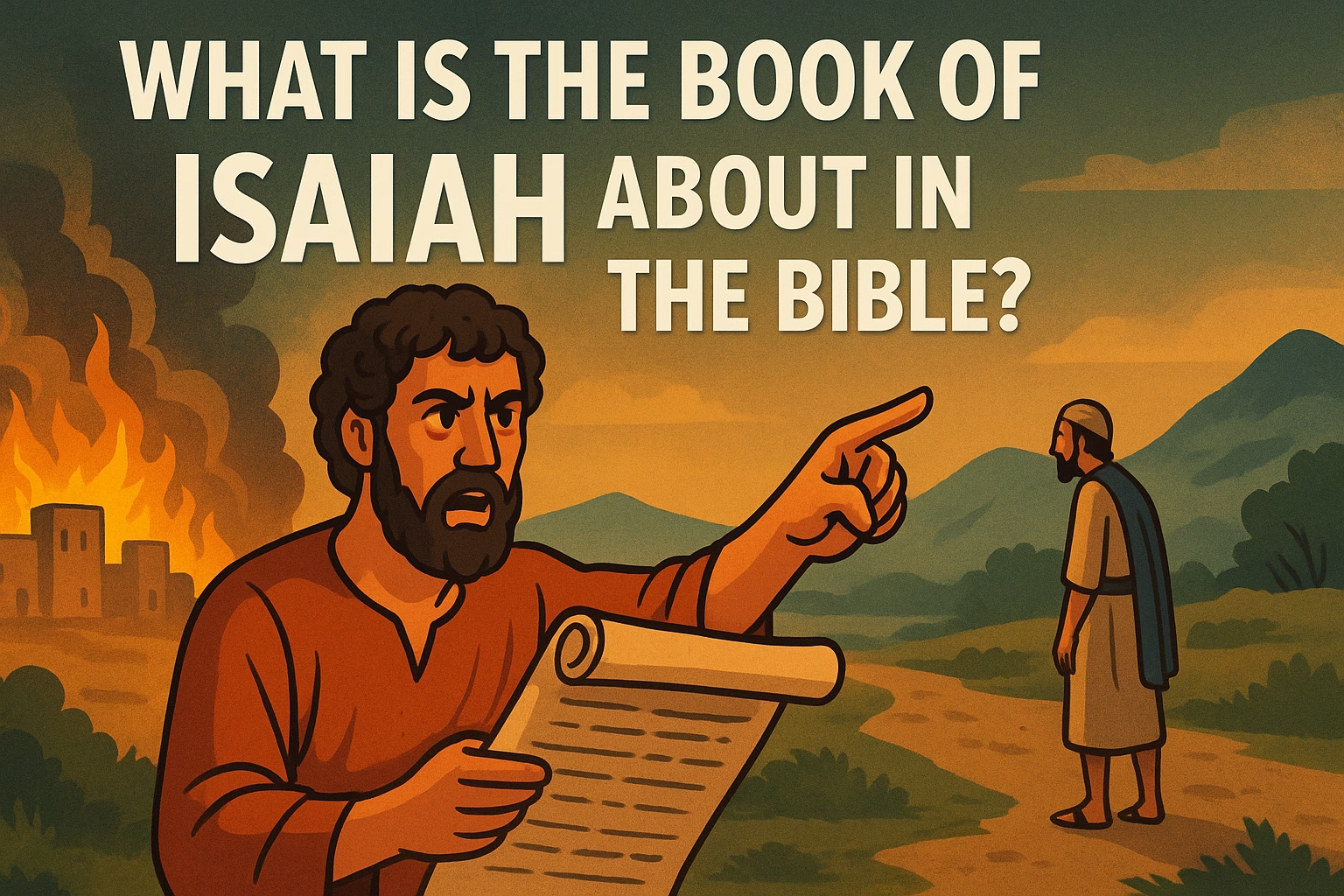
The Book of Isaiah is one of the most significant and profound texts in the Old Testament of the Bible. This prophetic book is rich in themes of judgment, hope, and redemption, making it relevant for both ancient and modern readers. In this article, we will explore the key elements, themes, and messages found within the Book of Isaiah, providing insight into its purpose and meaning.
Isaiah, named after its author, is primarily about the messages of judgment against Israel and the surrounding nations, as well as the hope for future restoration and the coming of the Messiah. Written during a tumultuous period in Israel’s history, Isaiah addresses the moral decay of the nation, warns of impending judgment, and offers a vision of hope through the promise of salvation and a new covenant with God.
Historical Context of Isaiah
The Book of Isaiah was written during a critical time in the history of Israel, spanning the reigns of several kings from approximately 740 to 681 B.C. Isaiah prophesied during the decline of the northern kingdom of Israel and the rise of the Assyrian Empire, which posed a significant threat to the southern kingdom of Judah. His messages were directed towards a people facing moral and spiritual decline, as well as political instability.
Isaiah’s prophecies can be understood against the backdrop of Assyrian conquests and the eventual Babylonian exile. The people of Judah were often unfaithful to God, engaging in idolatry and neglecting the poor and oppressed. Isaiah’s role as a prophet was to call the nation back to faithfulness, warning them of the consequences of their actions while also offering hope for restoration.
Key Themes in the Book of Isaiah
Several prominent themes emerge within the Book of Isaiah, each contributing to the overarching narrative of judgment and hope:
Judgment and Accountability
One of the primary themes in Isaiah is the call to accountability for sin. The prophet repeatedly denounces the injustices and moral failures of the people. For instance, in Isaiah 1:16-17, he urges the people to “wash yourselves and be clean” and to “seek justice” for the oppressed. This theme underscores the importance of repentance and the seriousness of turning away from sin.
Hope and Restoration
Despite the strong messages of judgment, Isaiah also offers profound hope. Throughout the book, there are promises of restoration and a future where God will redeem His people. Isaiah 40:1-2 speaks of comfort for the people of Israel, indicating that their suffering will not be the end of their story. This theme culminates in the vision of a coming Messiah, who will bring peace and justice.
The Coming Messiah
Isaiah is often referred to as the “Messianic Prophet” because of the numerous prophecies regarding the coming Savior. One of the most famous passages is Isaiah 9:6, which describes a child born who will be called “Wonderful Counselor, Mighty God, Everlasting Father, Prince of Peace.” This promise of a Messiah is central to Christian theology, as it points to Jesus Christ and His role in fulfilling God’s plan of redemption.
The Sovereignty of God
Another significant theme in Isaiah is the sovereignty of God over all nations. Isaiah emphasizes that God is not only the God of Israel but also the Creator and ruler of the entire universe. In Isaiah 45:5-6, it states, “I am the Lord, and there is no other; apart from me there is no God.” This theme reassures believers of God’s ultimate authority and control, even in the midst of chaos and uncertainty.
Structure of the Book of Isaiah
The Book of Isaiah is traditionally divided into two main sections, which reflect the different emphases and time periods of the prophet’s ministry:
Chapters 1-39: Words of Judgment
The first section (chapters 1-39) primarily focuses on the themes of judgment and accountability. Here, Isaiah addresses the sins of Israel and Judah, warns of impending judgment from foreign nations, and speaks against the injustices prevalent in society. This portion also includes messages of hope for a remnant that God will preserve.
Chapters 40-66: Words of Comfort and Hope
The second section (chapters 40-66) shifts towards messages of comfort and hope. It begins with the famous passage of comfort in Isaiah 40, where God assures His people of His presence and care. This section emphasizes the promise of redemption, the coming of the Messiah, and the eventual restoration of Israel. The imagery of a new creation and a new covenant resonates strongly throughout these chapters.
Isaiah’s Role as a Prophet
Isaiah’s role as a prophet was not just to foretell future events but also to call the people to repentance and faithfulness. His messages were often confrontational, challenging the status quo and urging individuals and leaders to turn back to God. Isaiah’s prophetic ministry exemplified the delicate balance between delivering hard truths and offering hope.
Through his unique style of writing, including poetic imagery and vivid metaphors, Isaiah effectively communicated God’s messages. His ability to convey deep spiritual truths through accessible language has made the Book of Isaiah a cherished text for both Jewish and Christian communities alike.
In summary, the Book of Isaiah is a complex tapestry of judgment and hope, woven together by the prophetic voice of Isaiah. Understanding its historical context and key themes enriches our appreciation for this powerful book of the Bible.
Theological Implications of Isaiah
The Book of Isaiah holds significant theological implications that extend beyond its historical context. It lays a foundation for understanding key doctrines within Christianity, such as the nature of God, the concept of sin, and the promise of salvation. Isaiah’s emphasis on God’s holiness and justice reflects a deep understanding of divine character, urging believers to recognize the seriousness of sin and the necessity of repentance.
Moreover, the book’s portrayal of the Messiah not only anticipates Jesus’ coming but also establishes the framework for Christian eschatology. Isaiah’s prophecies about the end times, including the establishment of God’s kingdom and the restoration of creation, resonate with the New Testament’s teachings on the return of Christ and the hope of eternal life.
Literary Features of Isaiah
Isaiah’s literary style is notable for its poetic form, rich imagery, and use of parallelism. The prophet often employs metaphors and similes to convey complex spiritual truths in relatable terms. For instance, he compares God to a shepherd who cares for His flock, a powerful image that emphasizes God’s guidance and protection.
Additionally, the use of repetition serves to emphasize key themes and messages throughout the text. Phrases such as “Holy, Holy, Holy” in Isaiah 6:3 capture the essence of God’s majesty and serve as a call to worship. The poetic structure not only enhances the beauty of the text but also aids in memorization and reflection, making it accessible for audiences across generations.
Isaiah in the New Testament
The influence of Isaiah on the New Testament is profound. Numerous passages from Isaiah are quoted or alluded to in the Gospels and the writings of the apostles. For example, Matthew 1:23 references Isaiah 7:14 when discussing the virgin birth of Jesus: “The virgin will conceive and give birth to a son, and they will call him Immanuel.” This connection highlights the continuity between the Old and New Testaments, showing how Isaiah’s prophecies were fulfilled in Christ.
Furthermore, Jesus Himself read from Isaiah in the synagogue, declaring that the prophecy was fulfilled in Him (Luke 4:17-21). This moment underscores Isaiah’s significance in understanding Jesus’ mission and the nature of His ministry, particularly in bringing good news to the poor and proclaiming freedom for the oppressed.
Practical Applications of Isaiah
Beyond its theological and literary significance, the Book of Isaiah offers practical applications for believers today. The calls for social justice, compassion for the marginalized, and a commitment to righteousness are as relevant now as they were in Isaiah’s time. Christians are encouraged to reflect on their own lives and communities, asking how they can embody the principles of justice and mercy that Isaiah champions.
Additionally, the themes of hope and restoration provide comfort in times of despair. Isaiah reminds believers that no matter how dire the circumstances, God’s promises of redemption and renewal remain steadfast. This assurance encourages faith in God’s sovereignty and invites believers to trust in His plan, even when the future seems uncertain.
Questions for Reflection
As we consider the messages of Isaiah, it is helpful to engage in reflective questions that encourage deeper understanding and personal application:
- What does Isaiah teach us about the nature of God, and how can this knowledge influence our relationship with Him?
- In what ways does Isaiah’s call for justice challenge us to act in our own communities?
- How can we maintain hope and faith during difficult times, drawing inspiration from the promises found in Isaiah?
- What role does the concept of the Messiah play in our understanding of Jesus and His work in the world today?
Conclusion
The Book of Isaiah serves as a powerful reminder of God’s justice, mercy, and faithfulness. Through its rich themes and prophetic messages, it invites readers to engage with the complexities of faith, the reality of sin, and the hope of redemption. As both a historical document and a spiritual guide, Isaiah challenges us to reflect on our lives and encourages us to seek a deeper relationship with God. In the face of challenges and uncertainties, the messages of judgment and hope found in Isaiah continue to resonate, offering guidance and assurance for believers today.
For further exploration of biblical themes, you can read about the role of prophets in the Bible and the significance of messianic prophecies, both of which relate closely to the insights found in the Book of Isaiah.