
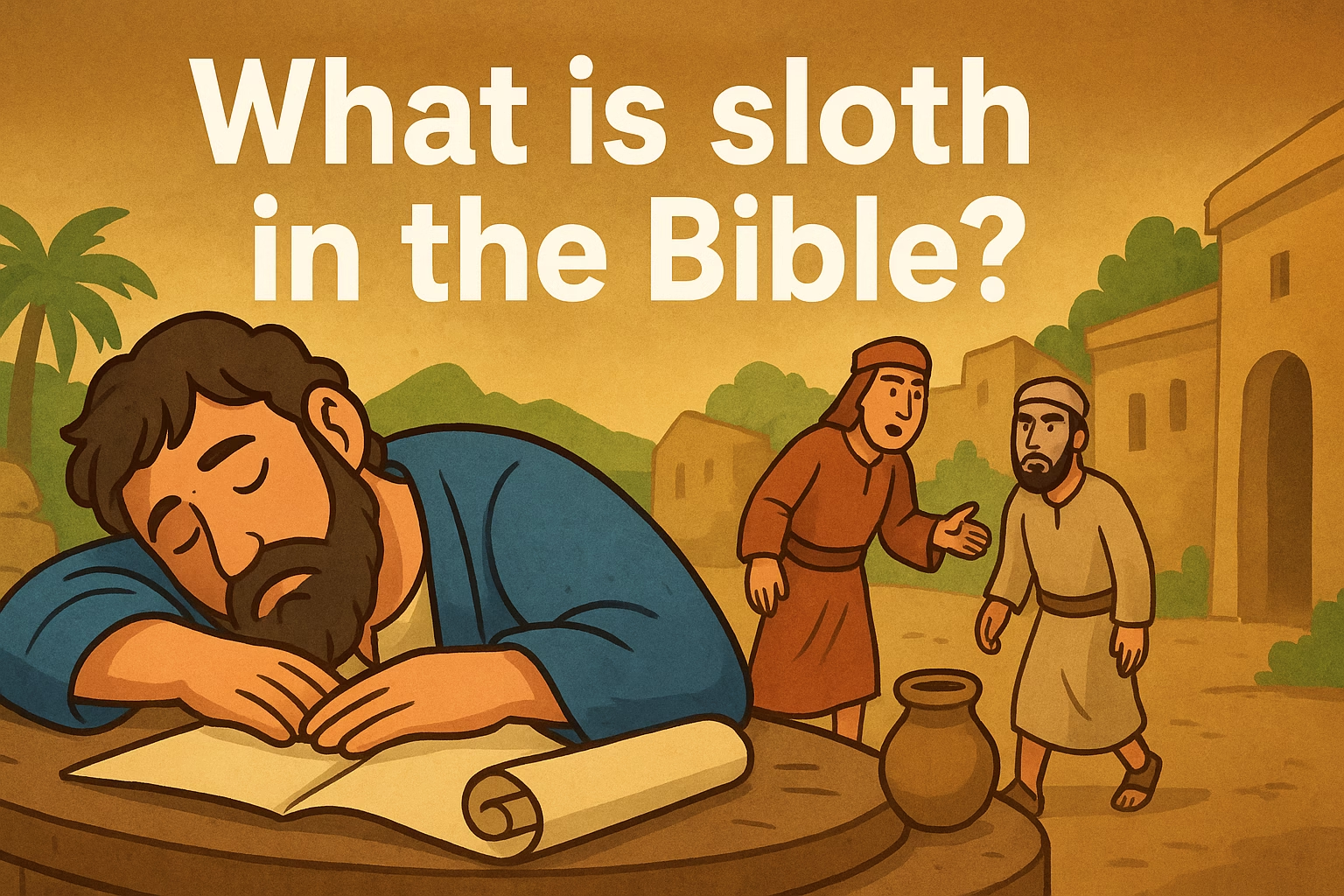
Sloth is often viewed as one of the seven deadly sins, but its biblical roots delve deeper into the concept of laziness and the neglect of one’s duties. Understanding what sloth means in the Bible involves examining various passages that address the importance of diligence, responsibility, and the consequences of idleness. This article will explore the definition of sloth in a biblical context, highlight key scriptures related to the topic, and provide insight into its implications for believers.
In the Bible, sloth is typically described as a lack of effort, an unwillingness to work, or a failure to fulfill one’s responsibilities. It is associated with laziness and a lack of motivation, which can lead to spiritual and practical consequences. The term “sloth” itself does not appear frequently in English translations of the Bible; however, various terms and concepts convey the same idea. Proverbs, in particular, offers a wealth of wisdom regarding the dangers of slothfulness.
The Biblical Definition of Sloth
Sloth, in biblical terms, can be understood as a spiritual and moral laziness. It reflects an attitude that resists the hard work necessary for fulfilling God-given duties. The Bible frequently contrasts sloth with diligence, urging believers to be active and engaged in their lives and responsibilities.
Proverbs on Slothfulness
The book of Proverbs is rich with verses that warn against sloth. For example, Proverbs 18:9 states, “A lazy person is as bad as someone who destroys things.” This verse highlights the destructive nature of sloth, equating laziness with harmful actions. Similarly, Proverbs 10:4 says, “Lazy people are soon poor; hard workers get rich.” Here, the contrast between the outcomes of laziness and diligence is clearly illustrated.
Another relevant passage is Proverbs 21:25-26, which reads, “Despite their desires, the lazy will come to ruin, for their hands refuse to work. All day long they crave for more, but the righteous give without sparing.” This passage emphasizes that sloth leads to unfulfilled desires and ultimately ruin, while those who are diligent and generous are rewarded.
The Consequences of Sloth
The Bible provides several warnings about the consequences of sloth. One of the most significant repercussions is spiritual stagnation. When individuals become lazy in their faith, they risk drifting away from God and becoming unproductive in their spiritual lives.
Spiritual Implications
In the New Testament, Paul addresses the issue of sloth in several of his letters. For instance, in 2 Thessalonians 3:10, he writes, “Even while we were with you, we gave you this command: ‘Those unwilling to work will not get to eat.'” This admonition underscores the importance of work and diligence not just in a physical sense, but also in maintaining a healthy spiritual life.
Moreover, in Romans 12:11, Paul encourages believers to “never be lazy, but work hard and serve the Lord enthusiastically.” This call to action emphasizes that sloth is not just a physical laziness but can also manifest as a lack of enthusiasm in serving God and others. The spiritual life requires consistent effort, and sloth can hinder one’s growth and effectiveness.
Sloth in the Context of the Church
In the context of the church, sloth can lead to a lack of engagement within the community. When members of the church are lazy or indifferent, the entire body suffers. The Bible calls believers to work together, using their gifts and talents for the benefit of the church and the glory of God.
Unity and Service
1 Corinthians 12:12-14 illustrates how each member of the body of Christ has a unique role to play. When individuals become slothful, they fail to contribute to the church’s mission. This not only affects their spiritual growth but also the growth and health of the church as a whole.
Additionally, in Ephesians 4:11-12, Paul emphasizes that church leaders are to equip the saints for the work of ministry. This implies that all believers have a responsibility to be active participants in the church, and sloth can create barriers to fulfilling that calling.
Overcoming Sloth
Recognizing sloth in one’s life is the first step toward overcoming it. The Bible encourages believers to be proactive in their spiritual and practical responsibilities. Developing habits of diligence and engagement is essential for a vibrant faith.
Practical Steps to Combat Sloth
- Set Goals: Establish clear, achievable goals for both spiritual growth and daily responsibilities.
- Seek Accountability: Find a mentor or accountability partner who can encourage you to stay on track.
- Engage in Service: Actively look for opportunities to serve in your church and community.
- Pray for Motivation: Ask God to help you overcome laziness and instill a desire to work hard for His glory.
By applying these principles, believers can cultivate a diligent spirit and avoid the pitfalls of sloth. Understanding the biblical perspective on sloth encourages a proactive approach to life and faith, ultimately leading to a more fruitful and fulfilling Christian experience.
Sloth and Personal Responsibility
Sloth in the Bible is deeply connected to the idea of personal responsibility. Each believer is called to recognize their unique gifts and use them for the service of God and others. Ephesians 2:10 states that we are created for good works, which God prepared in advance for us to do. This verse highlights that sloth is not simply a personal failing; it can also hinder the plans God has for us and the impact we can make in the world.
The Parable of the Talents
The Parable of the Talents in Matthew 25:14-30 serves as a powerful illustration of the consequences of sloth. In this parable, a master entrusts his servants with varying amounts of money, expecting them to invest and grow these resources. The servant who receives one talent, however, buries it out of fear and laziness, resulting in his master’s condemnation. This story emphasizes that God expects us to actively use the gifts and resources He has given us, rather than letting them lie dormant due to slothfulness.
Sloth and Spiritual Warfare
Sloth can also be viewed through the lens of spiritual warfare. In 1 Peter 5:8, believers are warned to be vigilant because the devil prowls around like a roaring lion, seeking someone to devour. A slothful attitude can leave individuals vulnerable to spiritual attacks, as a lack of engagement in prayer, scripture study, and community can weaken one’s defenses against temptation and sin.
Staying Spiritually Alert
To combat the dangers of sloth, believers are encouraged to remain spiritually alert and active. Hebrews 12:1-2 urges Christians to “throw off everything that hinders and the sin that so easily entangles.” This call to action requires effort and diligence, reinforcing the idea that overcoming sloth is essential for a victorious Christian life.
Sloth as a Community Issue
The effects of sloth extend beyond the individual to the community. When a church community experiences slothfulness, it can lead to stagnation and a lack of outreach. Believers are called to be the light of the world (Matthew 5:14), and sloth can dim that light, affecting not only personal spiritual growth but also the church’s mission to spread the Gospel.
Encouraging One Another
Hebrews 10:24-25 emphasizes the importance of gathering together and encouraging one another to love and good works. When members of a church community are actively engaged, they can motivate each other to resist sloth and pursue their God-given responsibilities. This collective effort fosters growth and strengthens the church as a whole.
Questions for Reflection
As we consider the implications of sloth in our lives, it is helpful to ask ourselves some reflective questions:
- In what areas of my life am I feeling lazy or unmotivated?
- How can I better use my gifts and resources for God’s glory?
- Am I actively participating in my church community, or am I allowing sloth to keep me from serving?
- What practical steps can I take this week to combat sloth in my spiritual life?
- How can I encourage others in my community to overcome slothfulness?
Asking these questions can help believers recognize areas where sloth may be creeping in and prompt them to take action, fostering a more engaged and productive faith.
Conclusion: Embracing Diligence
In conclusion, sloth is a significant issue addressed throughout the Bible, affecting both individual believers and the church community. The call to diligence is not merely about physical work but encompasses spiritual engagement and responsibility. By understanding the dangers of sloth and actively seeking to overcome it, Christians can cultivate a life that honors God and fulfills their unique purpose. Embracing diligence leads to spiritual growth, stronger communities, and a more profound impact on the world around us.
For more insights on living a purposeful life, check out this article on spiritual growth and learn how to combat common spiritual challenges like sloth. Additionally, discover practical ways to engage with your church community in this guide on church involvement.