
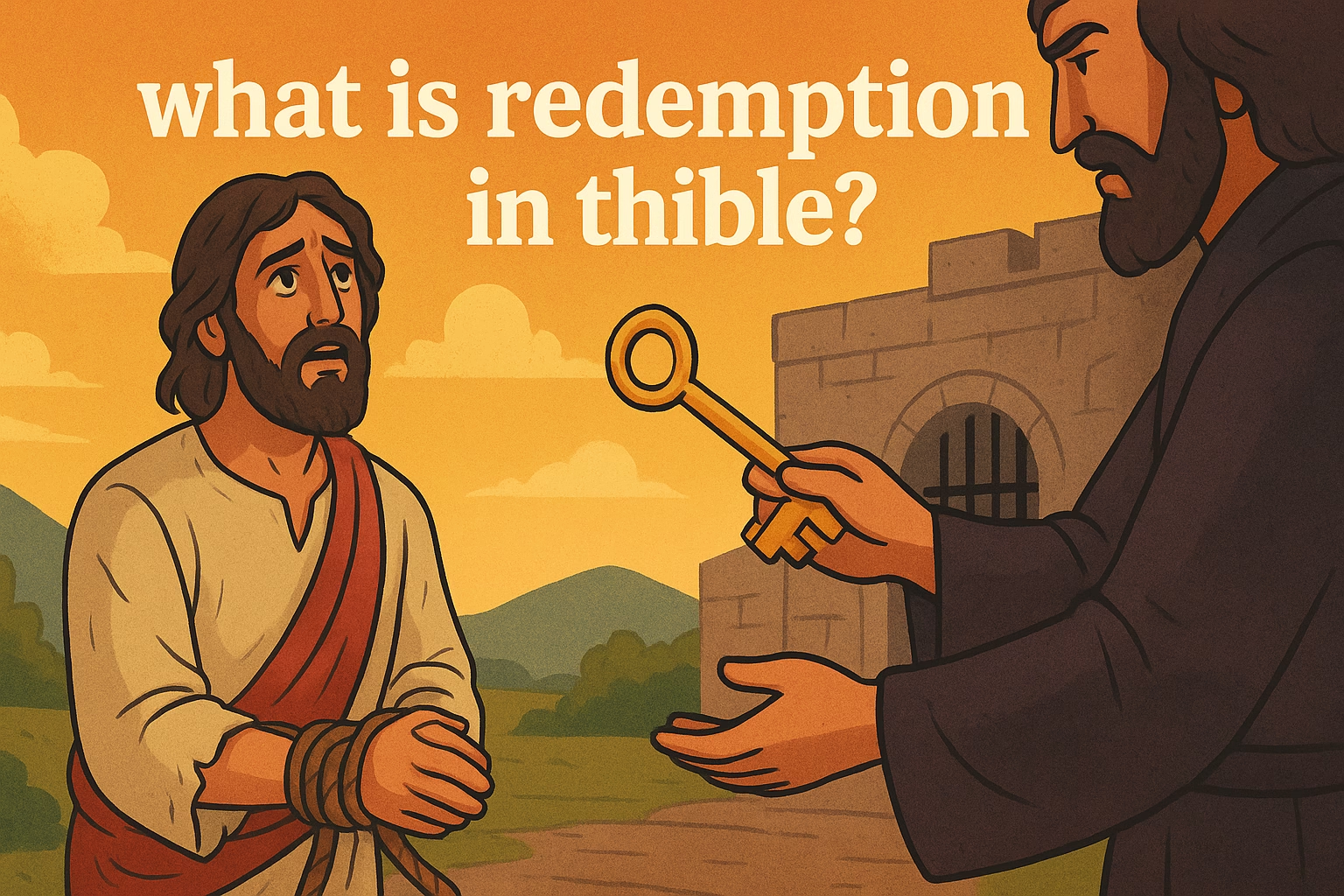
Redemption is a central theme in the Bible that encompasses the idea of being rescued, liberated, or saved from a state of bondage or sin. Throughout Scripture, the concept of redemption illustrates God’s love and His plan for humanity’s salvation through Jesus Christ. This article will explore the meaning of redemption in the Bible, its significance, and how it is woven throughout both the Old and New Testaments.
In biblical terms, redemption refers to the act of God delivering His people from sin, death, and separation from Him. The word “redeem” comes from the Hebrew word “ga’al,” which means to buy back or to reclaim, and the Greek word “apolutrosis,” meaning a release or liberation. This process often involves a price being paid, representing the seriousness of sin and the cost of forgiveness.
Redemption in the Old Testament
The concept of redemption is first introduced in the Old Testament, where it often refers to God’s deliverance of the Israelites from slavery in Egypt. In the book of Exodus, God promises to free His people from oppression and lead them to the Promised Land. In Exodus 6:6-7, God says, “I will bring you out from under the burdens of the Egyptians, and I will deliver you from slavery to them.” This act of deliverance is a significant example of redemption, showcasing God’s faithfulness to His covenant people.
Another important aspect of redemption in the Old Testament is the practice of the “kinsman-redeemer,” a relative who had the responsibility to rescue family members in dire circumstances. This is clearly illustrated in the book of Ruth, where Boaz serves as a kinsman-redeemer for Ruth and Naomi. He redeems Ruth by marrying her, preserving her family line, and ensuring their survival. This narrative highlights the personal nature of redemption, where one individual steps in to save another.
The Role of Sacrifice
In addition to the stories of deliverance, the Old Testament also establishes the concept of sacrifice as a means of atonement for sin. The sacrificial system, outlined in Leviticus, demonstrates how the shedding of blood was necessary for redemption. Leviticus 17:11 states, “For the life of the flesh is in the blood, and I have given it for you on the altar to make atonement for your souls.” This principle underscores the seriousness of sin and the need for a substitute to bear the punishment.
The Day of Atonement (Yom Kippur) was a significant event in which the high priest would offer sacrifices for the sins of the people. The ritual involved the scapegoat, which symbolically bore the sins of the community and was sent into the wilderness. This act represented the removal of sin and the restoration of the relationship between God and His people, illustrating the deeper meaning of redemption.
Redemption in the New Testament
The New Testament reveals the ultimate fulfillment of redemption through Jesus Christ. The Gospels present Jesus as the Redeemer who came to save humanity from sin and its consequences. In Mark 10:45, Jesus states, “For even the Son of Man came not to be served but to serve others and to give his life as a ransom for many.” This declaration emphasizes the sacrificial nature of His mission, where His death on the cross serves as the payment for the sins of the world.
Paul elaborates on this concept in his letters, especially in Ephesians 1:7, where he writes, “He is so rich in kindness and grace that he purchased our freedom with the blood of his Son and forgave our sins.” Here, redemption is portrayed as a gracious act of God, highlighting the unmerited favor extended to believers. It is through faith in Jesus that individuals experience redemption, leading to a restored relationship with God.
The Significance of Faith
Faith plays a crucial role in the experience of redemption. In Romans 10:9-10, Paul explains that if one confesses Jesus as Lord and believes in their heart that God raised Him from the dead, they will be saved. This points to the importance of personal acceptance of Christ’s redemptive work. It is not merely an intellectual agreement but a heartfelt trust in the Savior.
Moreover, the doctrine of redemption extends beyond individual salvation. It encompasses the idea of being part of a larger community—the Body of Christ. In Colossians 1:13-14, Paul writes, “For he has rescued us from the kingdom of darkness and transferred us into the Kingdom of his dear Son, who purchased our freedom and forgave our
The Continuity of Redemption
Throughout both the Old and New Testaments, the theme of redemption is woven into the fabric of God’s relationship with humanity. It is essential to recognize how these narratives connect, illustrating a cohesive story of God’s plan for salvation. The Old Testament lays the groundwork by establishing the need for redemption due to sin, while the New Testament reveals its fulfillment through Jesus Christ.
Understanding this continuity encourages believers to appreciate the depth of God’s grace. For instance, the prophetic writings of Isaiah, such as Isaiah 53, foreshadow the suffering servant who would bear the sins of many. This prophecy serves as a bridge between the anticipation of a Redeemer in the Old Testament and the realization of that promise in the New Testament. The fulfillment of these prophecies strengthens the faith of believers, affirming that God’s plan was always in motion.
Redemption as Transformation
Redemption is not simply about being freed from sin; it also involves transformation. In 2 Corinthians 5:17, Paul writes, “This means that anyone who belongs to Christ has become a new person. The old life is gone; a new life has begun!” This transformation highlights that redemption includes a change in identity and purpose. Believers are called to live out their new life in Christ, reflecting His character and love.
This transformative aspect of redemption is further emphasized in the concept of sanctification—the process of becoming more like Christ. As believers grow in their faith, they experience the ongoing work of the Holy Spirit, who empowers them to live righteously. This journey of transformation underscores that redemption is not a one-time event but a continual process that shapes a believer’s life.
The Community of the Redeemed
Redemption also has a communal aspect. In the New Testament, the church is described as the Body of Christ, where each member plays a vital role. This community reflects God’s redemptive work in the world, demonstrating His love and grace to others. Ephesians 2:19-22 expresses this idea, stating that believers are “members of God’s family” and “together we are his house.” This unity among believers emphasizes that redemption is not only personal but also collective, as it brings individuals together in fellowship.
The communal aspect of redemption is vital in the mission of the church. Believers are called to share the message of redemption with others, extending God’s grace to a world in need. This outreach is a natural response to the transformative power of redemption in their lives, prompting them to reflect Christ’s love and compassion.
Questions for Reflection
Considering the profound implications of redemption, it is essential to engage with some reflective questions:
- How do you understand the connection between the Old and New Testament teachings on redemption?
- In what ways has your personal experience of redemption transformed your life?
- How can you actively participate in the community of the redeemed to share the message of hope with others?
- What role does faith play in your understanding of redemption, and how can you deepen that faith?
These questions encourage believers to think deeply about their faith and the implications of redemption in their lives and communities.
The Assurance of Redemption
One of the most comforting aspects of redemption is the assurance it provides. Romans 8:1 states, “So now there is no condemnation for those who belong to Christ Jesus.” This assurance means that believers are no longer under the weight of sin and guilt; they are free to approach God with confidence. The promise of eternal life, as expressed in John 3:16, reinforces the hope that redemption offers. It is not just a temporary escape from sin but a permanent relationship with God that extends beyond this life.
Furthermore, the assurance of redemption empowers believers to live boldly for Christ. Knowing they are forgiven and accepted allows them to share the Gospel without fear. This assurance also fosters a deeper relationship with God, as they can approach Him as their loving Father, confident in His grace and mercy.
Conclusion: The Gift of Redemption
Redemption in the Bible is a multifaceted concept that encompasses deliverance from sin, transformation of life, and assurance of salvation. It is rooted in God’s love and faithfulness, demonstrated through the life, death, and resurrection of Jesus Christ. Understanding redemption invites believers to engage deeply with their faith and encourages them to share the hope of salvation with others. Ultimately, redemption is a gift that transforms lives and relationships, calling individuals to a new purpose in the community of believers.
To explore more about the significance of faith and community in the context of redemption, you can read about the role of faith in salvation and the importance of community in Christian life.