
The concept of manna holds significant meaning in the Bible, particularly in the context of God’s provision and sustenance for His people. This article will explore the origins, characteristics, and spiritual implications of manna as described in Scripture, providing a deeper understanding of this miraculous food.
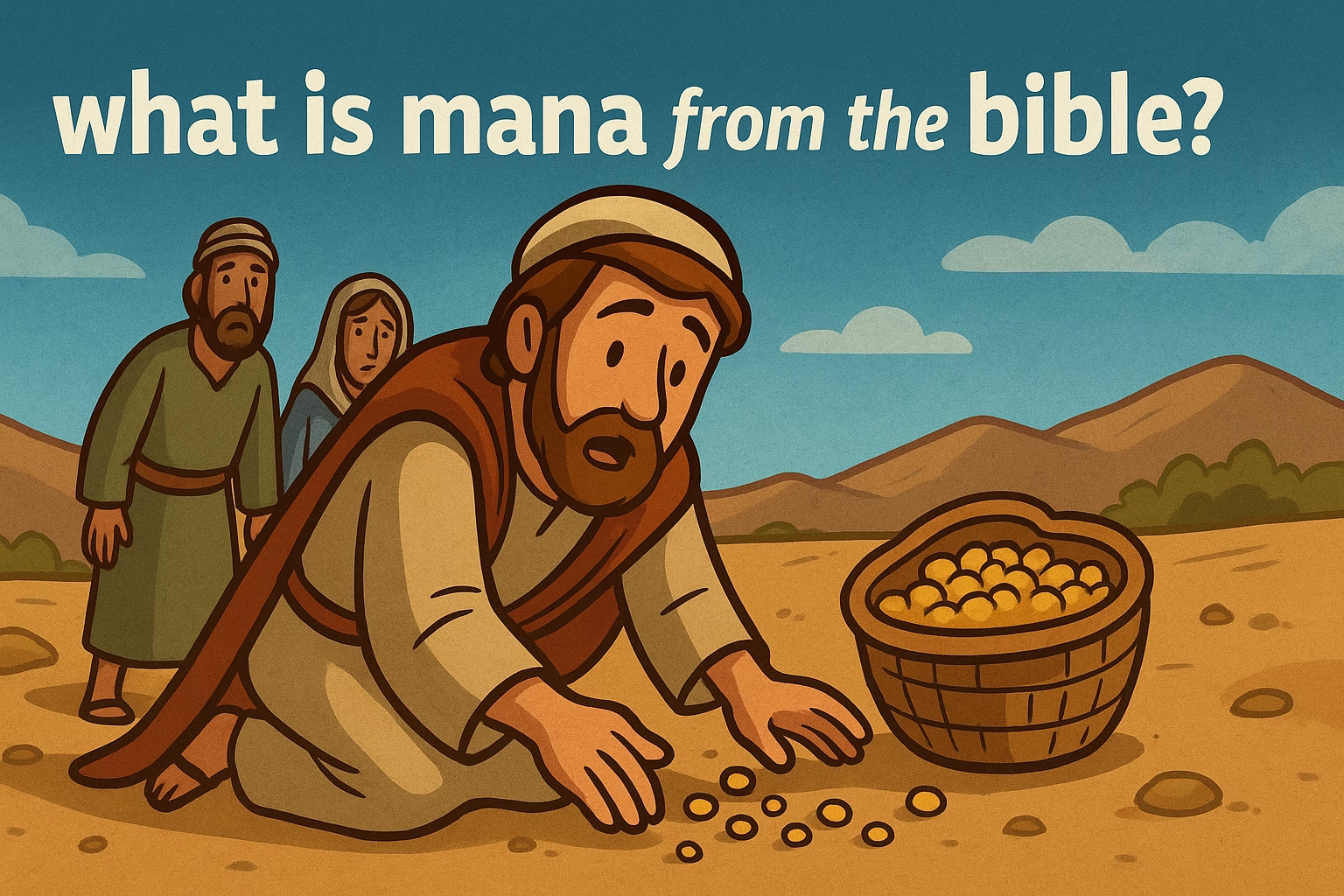
Manna is described in the Bible as a divine sustenance provided by God to the Israelites during their journey in the wilderness after escaping slavery in Egypt. It is often depicted as a small, white substance that appeared on the ground each morning, providing nourishment to the people. The term “manna” itself is derived from the Hebrew phrase “man hu,” which translates to “What is it?” This reflects the Israelites’ initial confusion upon encountering this unfamiliar food.
Scriptural Basis for Manna
The primary biblical accounts of manna can be found in the books of Exodus and Numbers. The story begins shortly after the Israelites escape from Egypt, as they wander in the desert. In Exodus 16, the Israelites complain about their hunger, longing for the food they had in Egypt. In response, God promises to provide for them.
“Then the Lord said to Moses, ‘I will rain down bread from heaven for you. The people are to go out each day and gather enough for that day.’” (Exodus 16:4, NLT)
This passage highlights God’s commitment to care for His people. The manna would appear each morning, except on the Sabbath, when a double portion was provided the day before. This miraculous provision lasted for forty years, until the Israelites entered the Promised Land.
Characteristics of Manna
Manna had distinct characteristics that are described in the Bible. It is often described as being fine and flake-like, resembling frost on the ground. In Exodus 16:31, it is noted that the manna was white, like coriander seed, and had a taste similar to wafers made with honey.
- Appearance: Manna appeared as small, white flakes on the ground.
- Taste: It had a sweet flavor, reminiscent of honey.
- Gathering Instructions: The Israelites were instructed to gather only what they needed for each day, except on the day before the Sabbath.
- Miraculous Provision: The manna would spoil if kept overnight (except before the Sabbath), emphasizing reliance on God’s daily provision.
Spiritual Significance of Manna
Manna serves as a powerful symbol of God’s provision and faithfulness. It teaches several important spiritual lessons:
Dependence on God
The daily collection of manna required the Israelites to depend on God for their needs. This reliance is a key theme throughout the Bible, illustrating that humans are not self-sufficient but rather need God’s sustenance in both physical and spiritual matters. In Matthew 6:11, Jesus teaches His followers to pray, “Give us today our daily bread,” echoing the principle of trusting in God for daily needs.
Foreshadowing Christ
Manna is often seen as a foreshadowing of Jesus Christ, who identifies Himself as the “bread of life.” In John 6:32-35, Jesus explains that while their ancestors ate manna in the wilderness, it was God who provided it, and He is the true bread from heaven that gives life to the world. This connection emphasizes that just as God provided for the physical needs of the Israelites, He also provides for spiritual nourishment through Christ.
Lessons on Obedience
The instructions regarding the gathering of manna also serve as a lesson in obedience. The Israelites were commanded to gather only what they needed for each day and not to hoard it. This demonstrated their trust in God’s provision and His timing. Disobedience in this regard often led to spoilage, reinforcing the principle that God’s ways are best.
Theological Reflections on Manna
The story of manna invites deeper theological reflection on God’s nature and His relationship with humanity. It illustrates themes of grace, mercy, and the covenant relationship between God and His people. God’s provision of manna can be viewed as an act of grace, as the Israelites did not earn it; it was a gift from God to sustain them in their time of need.
In addition, manna serves as a reminder of the importance of community and sharing. The Israelites were instructed to gather manna collectively, reinforcing the idea that God’s blessings are meant to be shared among His people. This communal aspect reflects the body of Christ, where believers are called to support and care for one another.
As we continue to explore the significance of manna, it is vital to appreciate its multifaceted role in biblical history and theology. The lessons learned from this miraculous food extend beyond the wilderness experience, offering insights that remain relevant for believers today.
The Role of Manna in Israelite Identity
Manna did not just serve as physical sustenance; it played a crucial role in shaping the identity of the Israelites as God’s chosen people. The experience of receiving manna was a formative aspect of their journey from slavery to freedom. It was during this period that they learned what it meant to rely on God, not only for their food but for their very survival.
This reliance on divine provision helped forge a collective identity among the Israelites. Manna became a symbol of their dependence on God and His faithfulness. They were no longer a people in bondage; they were a community sustained by God’s grace. This identity was reinforced by the rituals and teachings that would later emerge from their wilderness experience.
Commemoration of Manna in Jewish Tradition
The significance of manna extended beyond the wilderness wanderings and into Jewish tradition. Manna is often referenced during Jewish festivals and prayers, symbolizing God’s provision and care. For instance, during the Passover, the Jews remember not only their escape from Egypt but also the sustenance God provided in the desert.
Additionally, the tradition of the challah bread, which is often eaten during the Sabbath, is linked to the manna. The bread is a reminder of the divine provision that the Israelites experienced, and it is customary to set aside a portion of the challah as an offering, echoing the gathering of manna.
Manna in the New Testament
The New Testament continues to draw upon the imagery of manna as a means to highlight Jesus’ ministry and His divine nature. In John 6, following the feeding of the 5,000, Jesus engages in a profound discourse about bread. He contrasts the physical manna that sustained the Israelites with the spiritual sustenance He offers.
Jesus proclaims, “I am the bread of life. Whoever comes to me will never go hungry, and whoever believes in me will never be thirsty.” This proclamation reinforces the idea that while manna provided temporary nourishment, Jesus provides eternal life and spiritual fulfillment. This connection emphasizes the continuity of God’s provision from the Old Testament to the New Testament.
The Eucharist and Manna
The concept of manna also finds resonance in the Christian practice of the Eucharist, or Communion. In this sacrament, believers partake of bread and wine, which symbolize the body and blood of Christ. Just as the Israelites received manna to sustain them physically, Christians believe that participating in the Eucharist nourishes their spiritual lives and strengthens their relationship with Christ.
This sacramental understanding of bread draws a direct line from the manna in the wilderness to the ongoing spiritual nourishment that believers receive through Christ. It reinforces the idea that God’s provision is both physical and spiritual, offering a holistic view of sustenance.
Questions for Reflection
As we delve deeper into the significance of manna, several questions arise that encourage personal reflection and application:
- How do we recognize and acknowledge God’s daily provisions in our own lives?
- In what ways do we depend on God for our physical and spiritual needs?
- How can we cultivate a sense of community and sharing in our lives, emulating the gathering of manna?
- What does it mean to trust God fully, even in times of scarcity or uncertainty?
- How does understanding Jesus as the “bread of life” change our perspective on physical and spiritual nourishment?
These questions invite us to explore our relationship with God and challenge us to consider how we embody the lessons learned from the Israelites’ experience with manna. They encourage a deeper engagement with the principles of faith, trust, and community that are woven throughout the biblical narrative.
Conclusion: The Enduring Legacy of Manna
The story of manna is more than just an account of miraculous food; it is a profound illustration of God’s ongoing relationship with His people. It teaches lessons of dependence, obedience, and the importance of community. As believers reflect on the significance of manna, they are reminded of the constant presence of God’s provision in their lives.
From the ancient Israelites to modern-day believers, the legacy of manna invites all to trust in God’s faithfulness and to seek spiritual nourishment through Christ, the ultimate bread of life. As we navigate our own wilderness experiences, we can take comfort in knowing that God continues to provide for our needs, both physically and spiritually, guiding us toward a deeper relationship with Him.
For more insights into the biblical significance of sustenance, explore our articles on the significance of bread in Scripture and the nature of God’s provision throughout the Bible.