
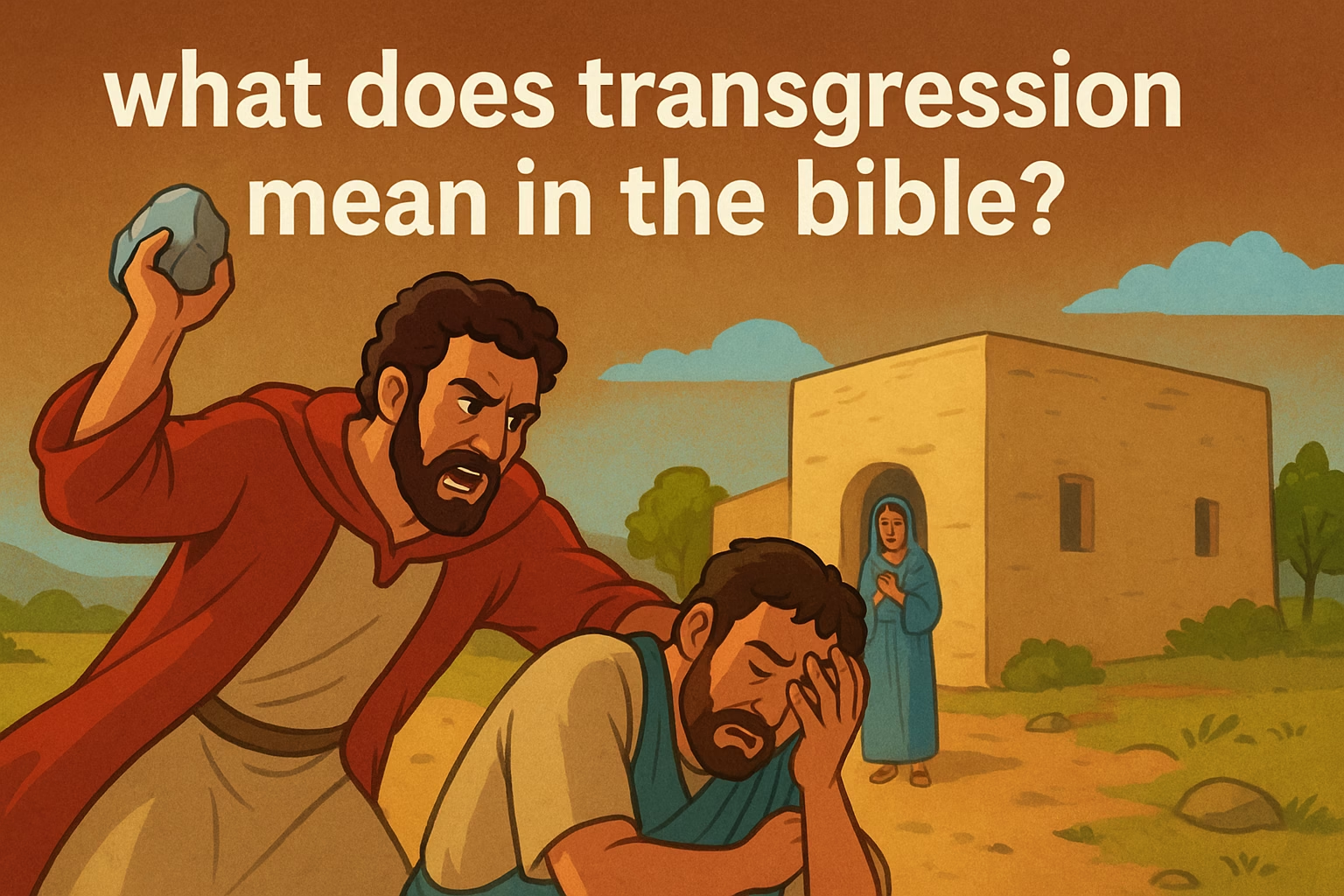
The concept of transgression in the Bible is significant and multifaceted, often relating to the idea of sin and disobedience against God’s commands. Understanding what transgression means in a biblical context involves exploring various passages and interpretations that highlight its implications for humanity and our relationship with God.
In simple terms, transgression refers to the act of violating a command or law, particularly God’s laws. It signifies a crossing of boundaries that God has set, leading to separation from Him. The Bible uses this term to describe actions that go against divine instruction, illustrating the seriousness of sin and its consequences.
The Biblical Definition of Transgression
Transgression is derived from the Hebrew word “pesha,” which often denotes rebellion or revolt against authority. In the New Testament, the Greek word “parabasis” is used, which carries similar connotations of stepping over a line or breaking a law. Both terms emphasize a conscious choice to disobey God’s will.
Transgression in the Old Testament
In the Old Testament, transgression is frequently associated with the breaking of God’s covenant and laws. For example, in Exodus 20:1-17, the Ten Commandments outline specific directives that the Israelites were to follow. When they failed to adhere to these commandments, their actions were considered transgressions against God.
“You must not have any other god but me.” (Exodus 20:3, NLT)
This commandment illustrates that placing anything above God constitutes a transgression. The Israelites repeatedly struggled with this, as seen in their worship of idols, which led to their downfall and separation from God.
Examples of Transgression in the Old Testament
Several stories in the Old Testament exemplify transgression:
- The Fall of Adam and Eve: In Genesis 3, Adam and Eve transgressed by eating from the tree of the knowledge of good and evil, directly disobeying God’s command.
- The Golden Calf: In Exodus 32, the Israelites created a golden calf to worship while Moses was receiving the law. This act of idolatry was a clear transgression of God’s commandments.
- King David’s Sin: In 2 Samuel 11, David’s adultery with Bathsheba and the subsequent murder of her husband Uriah exemplify serious transgressions against God’s law.
The Consequences of Transgression
The Bible outlines several consequences for transgressions, which can be both immediate and eternal. In Romans 6:23, it states, “For the wages of sin is death.” This verse underscores the ultimate consequence of transgression—spiritual death and separation from God.
God’s Response to Transgression
Throughout Scripture, God consistently responds to transgression with both justice and mercy. For instance, in Psalm 32:1-2, David reflects on the joy of forgiveness, indicating that while transgressions lead to guilt, God’s mercy provides redemption:
“Oh, what joy for those whose disobedience is forgiven, whose sin is put out of sight!” (Psalm 32:1, NLT)
This balance of justice and mercy is a recurring theme in the Bible, illustrating that while transgressions have serious consequences, repentance can lead to restoration.
Transgression in the New Testament
In the New Testament, the concept of transgression continues to be relevant, especially in the teachings of Jesus and the apostles. Jesus emphasized the importance of obedience to God’s commands, as seen in John 14:15, where He states, “If you love me, obey my commandments.” This reinforces the idea that transgressing God’s law is an act of disobedience that stems from a lack of love for Him.
Understanding Grace and Forgiveness
The New Testament also introduces the concept of grace, which provides a way to address transgressions. In 1 John 1:9, it is written, “If we confess our sins, he is faithful and just to forgive us our sins and to cleanse us from all wickedness.” This passage highlights that while transgressions are serious, God’s grace through Jesus Christ offers forgiveness and a path to reconciliation.
Conclusion of Part One
In summary, transgression in the Bible represents a serious violation of God’s commands, reflecting a conscious choice to disobey. The consequences of such actions are significant, leading to separation from God. However, the overarching message of Scripture is one of hope, as God’s grace provides a means for forgiveness and restoration for those who turn back to Him.
The Role of Transgression in the Christian Faith
Transgression is not merely a historical or theological concept; it plays a crucial role in the Christian faith and the understanding of human nature. It emphasizes the need for redemption and the significance of Christ’s sacrifice. By recognizing our transgressions, believers can fully appreciate the grace extended through Jesus, which is central to the Christian message.
The Nature of Sin and Transgression
To grasp the meaning of transgression, it is vital to understand how it relates to sin. In the Bible, sin encompasses a broader range of actions, including imperfections, misdeeds, and transgressions. While all transgressions are sins, not all sins are categorized as transgressions. Transgressions specifically refer to willful violations of God’s law, indicating a conscious decision to rebel against divine authority.
In James 4:17, it states that knowing the good one ought to do and not doing it is sin. This verse highlights that transgression involves a deliberate choice, making it a serious matter in the eyes of God. It emphasizes the moral responsibility that individuals hold in their actions and decisions.
The Importance of Acknowledgment and Repentance
Acknowledging transgressions is a fundamental step in the process of repentance. In Luke 15:18-20, the parable of the Prodigal Son illustrates the journey of recognizing one’s transgressions and returning to the Father. The son’s acknowledgment of his wrongdoing and his decision to return home signify the heart of repentance—a vital aspect of the Christian faith.
Repentance involves more than mere regret; it requires a change of heart and direction. This transformation is essential for restoring one’s relationship with God. Believers are encouraged to confess their transgressions, trusting in God’s promise of forgiveness and healing.
The Community Aspect of Transgression
Transgressions are not only personal but also communal. The impact of one’s transgressions can affect relationships within the community of believers. In 1 Corinthians 10:16-17, Paul speaks about how the actions of individuals can have repercussions for the entire body of Christ. This underscores the importance of accountability and support within the church community.
When transgressions occur, it is vital for the community to address them with grace and truth. This can lead to healing and restoration, reinforcing the bonds of unity among believers. In Galatians 6:1, Paul encourages the church to restore those caught in transgression gently. This illustrates the community’s responsibility to help one another in overcoming sin and growing in faith.
The Consequences of Unrepentant Transgression
While God’s grace is abundant, the Bible warns of the dangers of unrepentant transgressions. In Hebrews 10:26-27, it is stated that if we deliberately continue sinning after receiving knowledge of the truth, there remains no sacrifice for sins. This serves as a serious reminder of the importance of repentance and the potential consequences of ignoring God’s call to turn away from transgressions.
Transgression and God’s Justice
The concept of transgression is closely linked to God’s justice. The Bible teaches that God is holy and cannot tolerate sin. As a result, transgressions require a response. In the Old Testament, the sacrificial system was established as a means to atone for sin, symbolizing the seriousness of transgression. The shedding of blood for forgiveness illustrates the gravity of disobedience.
In the New Testament, Jesus becomes the ultimate sacrifice, fulfilling the requirements of the law and providing a way for humanity to be reconciled with God. In 2 Corinthians 5:21, it says that God made Jesus, who had no sin, to be sin for us, so that in Him we might become the righteousness of God. This highlights the profound connection between transgression, justice, and grace.
The Hope of Restoration
Despite the seriousness of transgression, the Bible offers hope through God’s redemptive plan. The message of salvation is rooted in the understanding that while we all fall short, God’s love and mercy provide a pathway to forgiveness. In Romans 5:8, it declares that God demonstrates His own love for us in this: while we were still sinners, Christ died for us. This illustrates the depth of God’s grace, emphasizing that no transgression is too great to be forgiven.
Conclusion
Transgression in the Bible is a profound concept that reflects the reality of human disobedience and the need for divine grace. Understanding transgression helps believers recognize their need for repentance and the importance of community in the journey of faith. Ultimately, the Bible teaches that while transgressions lead to separation from God, His love and mercy offer hope and restoration through Jesus Christ. Accepting this gift of grace transforms lives and brings believers into a deeper relationship with God, highlighting the incredible power of forgiveness.
For further exploration of biblical themes related to transgression, you can read more about the significance of sin and redemption in Romans 10:9 and the importance of community in supporting one another through struggles in 1 Thessalonians 5:11.