
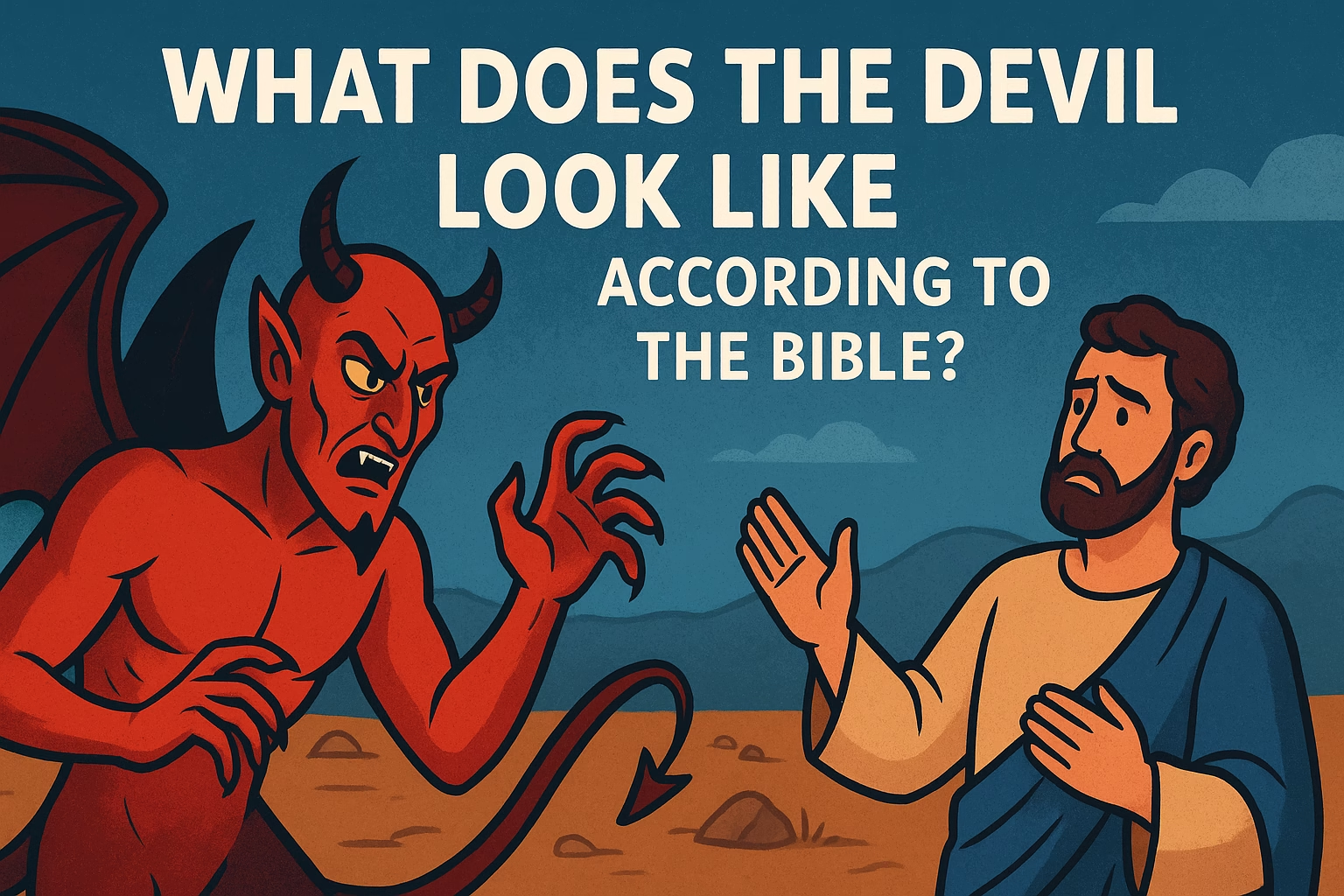
Many people wonder what the devil looks like, often influenced by cultural depictions and artistic interpretations. However, the Bible provides some insights into the nature and appearance of the devil, also referred to as Satan. Understanding these descriptions can help us grasp the biblical perspective on evil and temptation.
While the Bible does not provide a detailed physical description of the devil, it offers symbolic imagery and metaphors that give us insight into his character and influence. Let’s explore various passages and interpretations to answer the question of what the devil looks like according to Scripture.
The Serpent in Genesis
One of the earliest mentions of the devil in the Bible is found in the book of Genesis. In Genesis 3, the serpent tempts Eve to eat from the tree of the knowledge of good and evil. The serpent is described as “more cunning than any of the wild animals the Lord God had made” (Genesis 3:1, NLT). This imagery suggests that the devil can appear as a deceiver, using subtlety and craftiness to lead people astray.
Symbolism of the Serpent
The choice of a serpent as a representation of the devil is significant. In the ancient Near Eastern context, serpents often symbolized chaos and danger. By using the serpent, the Bible conveys the idea that the devil is a master of deception and can appear in forms that are alluring yet dangerous.
Lucifer: The Fallen Angel
Another important biblical reference to the devil is found in Isaiah 14:12-15, which speaks of the fall of Lucifer. This passage describes how Lucifer, once a shining angel, fell from grace due to pride and rebellion against God. The name “Lucifer” means “morning star” or “light-bringer,” indicating that he was once a beautiful and powerful being.
Beauty and Pride
Isaiah describes Lucifer’s fall by stating, “You said in your heart, ‘I will ascend to heaven; I will raise my throne above the stars of God’” (Isaiah 14:13, NLT). This prideful ambition led to his downfall and transformation into the adversary of God and humanity. While he was initially created in beauty and splendor, his rebellion morphed him into the embodiment of evil.
The Roaring Lion
In the New Testament, Peter provides another vivid metaphor for the devil’s appearance. In 1 Peter 5:8, he writes, “Stay alert! Watch out for your great enemy, the devil. He prowls around like a roaring lion, looking for someone to devour” (NLT). This imagery portrays the devil as a fierce predator, instilling fear and destruction.
Predatory Nature
By likening the devil to a roaring lion, Peter emphasizes his aggressive and predatory nature. The lion symbolizes power and ferocity, suggesting that the devil seeks to intimidate and overpower those who are vulnerable. This metaphor serves as a warning to believers to remain vigilant and resist temptation.
The Angel of Light
Another significant passage occurs in 2 Corinthians 11:14, where Paul warns that “Satan disguises himself as an angel of light” (NLT). This description indicates that the devil can appear deceptively attractive, masking his true intentions. He can present himself as a figure of righteousness or goodness to lead people away from the truth.
Deceptive Appearance
This ability to disguise himself as an angel of light highlights the danger of relying solely on outward appearances. The devil’s true nature is one of deceit and malice, even when he presents himself in a seemingly benign or appealing form. This serves as a caution to believers to discern carefully and seek wisdom when confronted with temptations.
Symbolic Representations in Revelation
The book of Revelation also contains vivid imagery related to the devil. In Revelation 12:9, the devil is referred to as “that ancient serpent called the devil, or Satan, who leads the whole world astray” (NLT). This connection back to the serpent in Genesis reinforces the idea that the devil is a constant source of temptation and deception throughout the biblical narrative.
Dragon Imagery
Additionally, in Revelation 12:3, the devil is depicted as a great red dragon with seven heads and ten horns. This dragon imagery conveys the idea of chaos, destruction, and overwhelming power. It symbolizes the devil’s role as the ultimate adversary against God and His people.
Conclusion of Part One
In summary, the Bible does not provide a straightforward physical description of the devil but instead uses various symbols and metaphors to convey his nature and character. From the cunning serpent in Genesis to the majestic yet fallen Lucifer, and the fierce lion and deceptive angel of light, these images illustrate the multifaceted role of the devil as the adversary of God and humanity. Understanding these depictions allows believers to recognize the spiritual battle they face and the need for vigilance against temptation.
The Devil as the Accuser
Another critical aspect of the devil’s role in the Bible is portrayed in the book of Job. Here, the devil is depicted as the “Accuser” who challenges the righteousness of Job before God. In Job 1:6-12, the scene unfolds where the “sons of God” present themselves before the Lord, and Satan comes among them to question Job’s faithfulness. This imagery highlights the devil’s role as one who seeks to undermine God’s people by accusing them of wrongdoing.
The Function of Accusation
This depiction emphasizes that the devil’s appearance isn’t merely physical but also encompasses his role in spiritual warfare. He seeks to sow doubt and bring accusations that can lead believers to despair. By understanding the devil’s function as the Accuser, believers can appreciate the importance of God’s grace and forgiveness, recognizing that they are not defined by their failures but by their relationship with Christ.
The Devil’s Influence on Humanity
Throughout the New Testament, the devil is often associated with temptation and sin. In John 8:44, Jesus describes the devil as a murderer and the father of lies. This characterization deepens our understanding of what the devil looks like in a spiritual sense: he embodies falsehood, deceit, and destruction, seeking to lead humanity away from the truth of God.
The Face of Deception
When Jesus refers to the devil as the father of lies, it illustrates that his true appearance is not about physical traits but about moral and spiritual corruption. The devil’s deceptive nature manifests in various forms, often leading believers into situations that appear harmless or appealing but ultimately result in spiritual harm. Recognizing this allows believers to be more discerning about the influences they encounter in their lives.
The Role of Spiritual Warfare
The Bible emphasizes the importance of spiritual warfare in combating the influence of the devil. In Ephesians 6:10-12, Paul encourages believers to put on the full armor of God to stand against the schemes of the devil. This passage highlights that the battle is not against flesh and blood, but against the spiritual forces of evil. Understanding the devil’s nature as a schemer helps believers prepare for the spiritual battles they face.
Equipping for Battle
By recognizing that the devil can take on various forms and employ diverse tactics, believers are better prepared to defend against his attacks. The armor of God includes truth, righteousness, the gospel of peace, faith, salvation, and the Word of God, which serve as spiritual tools against deception and temptation. This equips believers to recognize the devil’s influence and stand firm in their faith.
The Devil in the Context of Hell
Understanding the devil also leads to the topic of hell, as the Bible clearly states that the devil’s ultimate fate is eternal punishment. In Revelation 20:10, it is written that the devil will be thrown into the lake of fire, where he will be tormented forever. This imagery of hell further emphasizes the devil’s role as the adversary not just in life but in the final judgment.
The Final Defeat
The description of the devil’s end serves as a powerful reminder of the ultimate victory of God over evil. For believers, this means that while the devil may have influence in the world, his power is limited and ultimately vanquished. This hope encourages Christians to remain steadfast in their faith, knowing that their struggles against evil are temporary and that God has already secured victory.
Conclusion
In conclusion, the Bible presents a multifaceted picture of the devil, emphasizing his deceptive nature, his role as the Accuser, and his ultimate fate. Rather than focusing on a physical appearance, the Scriptures reveal the devil’s character through symbols and metaphors that communicate his true essence: a cunning deceiver, a fierce predator, and a fallen angel. Understanding these aspects allows believers to navigate the spiritual battles they face with wisdom and discernment. Recognizing the devil’s tactics equips Christians to stand firm in their faith, relying on the power of God to overcome temptation and evil.
For further understanding of related topics, you can explore what the Bible says about the dangers of witchcraft in this article and discover insights about hell in this informative piece.