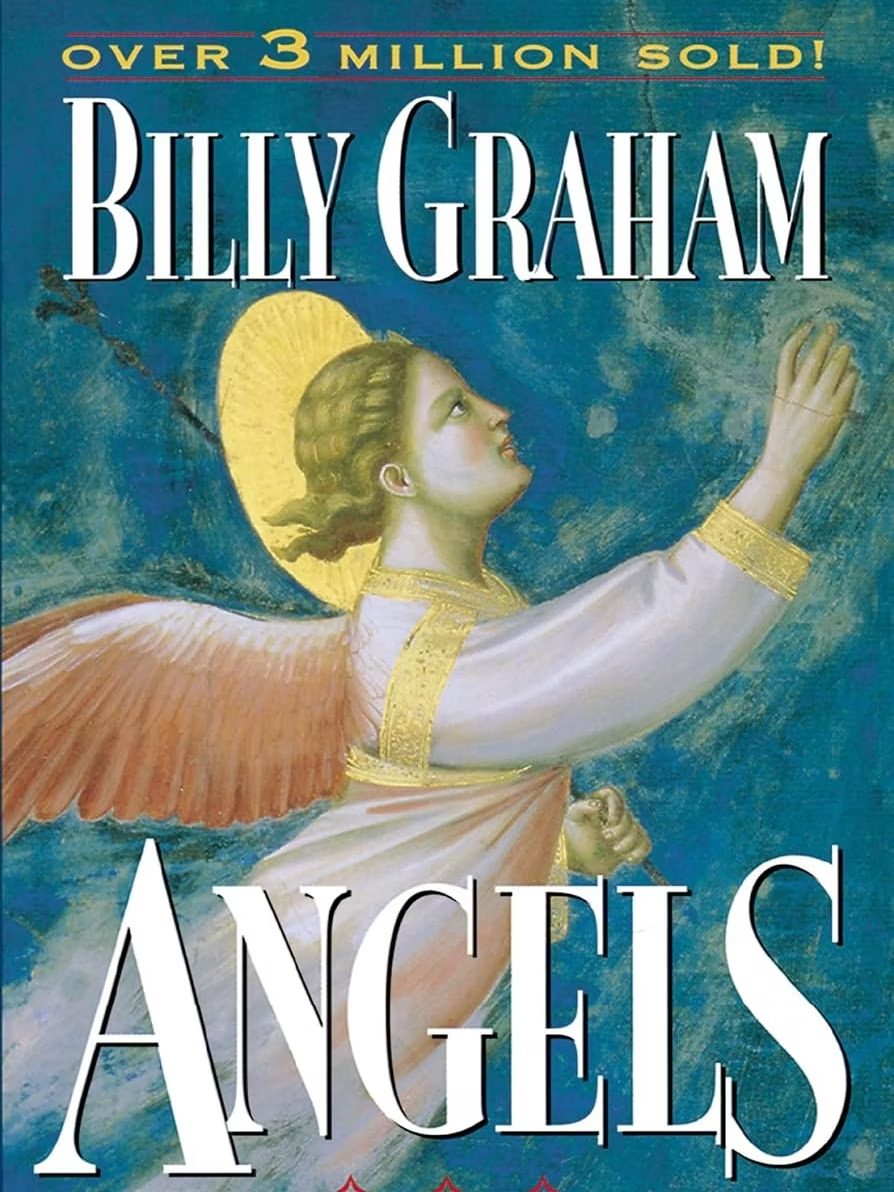
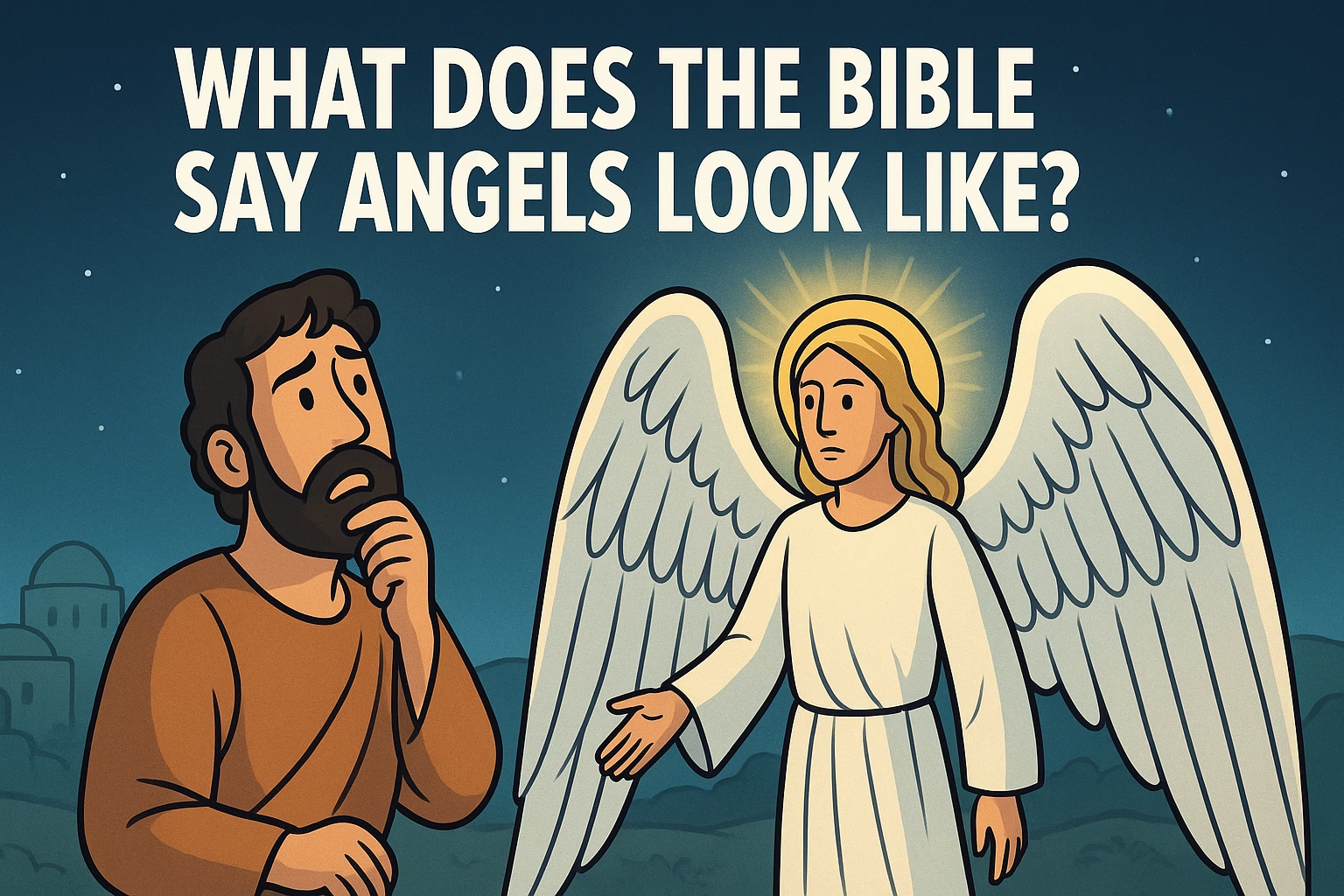
Angels are fascinating and mysterious beings mentioned throughout the Bible. Many people wonder what these celestial beings look like and how they are portrayed in Scripture. While artistic representations often depict angels as gentle figures with wings and halos, the biblical descriptions can be quite different and varied. In this article, we will explore what the Bible says about the appearance of angels, drawing from various passages to provide a clearer understanding.
The Bible offers several descriptions of angels that can challenge our conventional images. Their appearances can range from human-like figures to awe-inspiring creatures that evoke fear and reverence. Let’s delve into some of the key biblical descriptions of angels.
Angels as Human-Like Beings
In many instances, angels appear in a form that resembles humans. For example, in Genesis 18, three visitors come to Abraham, and he treats them with great hospitality. Later, in Genesis 19, two of those visitors are identified as angels who come to rescue Lot from the destruction of Sodom. Their human-like appearance allows them to interact with people without causing alarm.
Hebrews 13:2 also highlights the human-like aspect of angels, stating, “Don’t forget to show hospitality to strangers, for some who have done this have entertained angels without realizing it.” This suggests that angels can blend in with humans, often appearing as ordinary people.
Angels with Wings
While angels can appear human, some biblical passages describe them with wings. One of the most notable examples is found in Isaiah 6. In this vision, the prophet Isaiah sees seraphim, a type of angel, surrounding God’s throne. They are described as having six wings: two covering their faces, two covering their feet, and two for flying. This imagery emphasizes their holiness and the reverence they have in the presence of God.
“Each had six wings: with two they covered their faces, with two they covered their feet, and with two they were flying.” (Isaiah 6:2, NLT)
Additionally, in Revelation 4:8, John describes four living creatures around the throne of God, each having six wings and covered with eyes. This depiction reinforces the idea that some angels possess wings, which are often associated with their role as messengers and servants of God.
Angelic Beings with Unique Features
Angels are not always depicted in a straightforward manner. The Bible also describes certain angelic beings with unique and awe-inspiring features. For instance, in Ezekiel 1, the prophet describes a vision of four living creatures, often understood to be cherubim. Each creature has four faces—one of a man, one of a lion, one of an ox, and one of an eagle—and they have straight legs and feet like a calf’s foot. These vivid descriptions convey a sense of majesty and power.
“Their faces looked like this: Each of the four had the face of a human being, on the right side each had the face of a lion, the left side the face of an ox, and each also had the face of an eagle.” (Ezekiel 1:10, NLT)
This passage illustrates that angelic appearances can be complex and symbolic, representing various aspects of God’s creation and attributes. Such descriptions encourage us to view angels not just as gentle beings but as powerful entities that serve God’s purposes.
Fearsome Appearances
Another important aspect of angelic appearances is the fear they often evoke in those who encounter them. When angels appear in the Bible, their presence can be overwhelming, leading to fear and awe. For example, in Luke 1:30, when the angel Gabriel appears to Mary, he begins with the phrase, “Don’t be afraid.” This indicates that Mary was likely startled by his sudden appearance.
Similarly, in Matthew 28:2-4, when an angel rolls away the stone from Jesus’ tomb, the guards are described as shaking and becoming like dead men due to fear. The remarkable power and glory of angels can be intimidating, contrasting sharply with the gentle depictions often found in art and popular culture.
Angels and Their Roles
The appearance of angels often correlates with their roles and missions. As messengers, they may appear in a way that emphasizes their purpose. For example, the angel Gabriel is known for delivering important messages, such as announcing the birth of John the Baptist and Jesus. His appearance as a human-like figure aligns with his role as a communicator of God’s will.
In contrast, cherubim and seraphim, who have more symbolic and protective roles, are described with more complex features and a greater focus on their relationship with God. Their fearsome and majestic appearances reflect their closeness to the divine and the seriousness of their responsibilities.
In summary, the Bible provides a rich tapestry of descriptions regarding the appearance of angels. From human-like figures to awe-inspiring creatures with wings and unique features, the portrayals challenge common perceptions. Understanding these biblical descriptions helps us appreciate the complexity and significance of angels within the divine narrative.
The Nature of Angelic Appearances
To fully grasp what angels look like, it is essential to consider the context in which they appear. The Bible presents angels not merely as beings with specific appearances but as manifestations of God’s will and presence. Their physical forms often reflect their purpose within God’s plan. The diversity in their descriptions can serve as a reminder of God’s creativity and authority over the heavenly realm.
Angels’ appearances can also signify their roles as protectors, warriors, or messengers. For instance, in 2 Kings 6:15-17, Elisha’s servant is terrified when he sees the Aramean army surrounding them. Elisha reassures him and prays that God would open his eyes. The servant then sees the hills full of horses and chariots of fire, representing angelic warriors ready to defend God’s people. This vivid imagery emphasizes the power and might of angels, showcasing their warrior-like characteristics.
Symbolism in Angelic Descriptions
When analyzing the descriptions of angels, it is crucial to recognize the symbolic meanings behind their features. For example, the multiple faces of the cherubim in Ezekiel can symbolize the omnipresence and omnipotence of God. Each face represents different aspects of creation, which may reflect the angels’ roles as guardians of God’s creation and messengers of His will.
Similarly, the six wings of the seraphim in Isaiah could symbolize their readiness to serve and the holiness of their task. The wings covering their faces and feet indicate humility and reverence in the presence of God. Such symbolism invites deeper reflection on the nature of their service and the character of God they represent.
Angels in Different Biblical Contexts
Throughout the Bible, angels appear in various contexts and situations, each influencing how they are portrayed. In the Old Testament, angels often serve as messengers delivering divine pronouncements or executing God’s judgment. In the New Testament, they play crucial roles in the narrative of Jesus’ life, from announcing His birth to ministering to Him after His temptation.
For example, in Matthew 1:20-21, an angel appears to Joseph in a dream, assuring him about Mary’s pregnancy and instructing him to name the child Jesus. This appearance is significant both for its comforting message and its protective role for Mary and Jesus. The angel’s human-like form and reassuring presence highlight his role as a messenger of hope amidst uncertainty.
Angels and Cultural Perceptions
The way angels are perceived in popular culture often contrasts with their biblical descriptions. Many artistic representations emphasize their beauty and gentleness, which can overshadow the complex and sometimes fearsome portrayals found in Scripture. This disparity raises important questions about how cultural influences shape our understanding of spiritual beings.
For instance, the common image of a winged figure with a halo may evoke feelings of comfort and peace. However, the biblical accounts remind us that angels are powerful beings whose appearances can inspire awe and reverence. This contrast encourages believers to seek a more biblically grounded understanding of angels rather than relying solely on artistic depictions.
Questions for Reflection
As we explore the biblical descriptions of angels, several reflective questions can help deepen our understanding:
- How do the various descriptions of angels enhance our understanding of their roles in God’s plan?
- What does the fear associated with angelic appearances teach us about God’s holiness and power?
- In what ways can we cultivate a greater reverence for the spiritual realm as depicted in the Bible?
- How do cultural perceptions of angels influence our beliefs and interactions with the divine?
Engaging with these questions can provide a more nuanced perspective on angels and their significance within the Christian faith.
Conclusion: The Multifaceted Nature of Angels
In conclusion, the Bible presents angels as multifaceted beings, whose appearances range from human-like figures to awe-inspiring celestial entities. Their descriptions reflect their roles as messengers, protectors, and servants of God, emphasizing both their power and their reverence. Understanding the biblical portrayal of angels invites believers to appreciate the complexity and significance of these divine beings, encouraging a deeper connection with the spiritual world. As we reflect on their appearances and roles, we can grow in our faith and understanding of God’s majestic creation.
To further explore the fascinating aspects of angels and their roles in the Bible, check out this article about angelic encounters and this article discussing the significance of angels in Christian faith.