
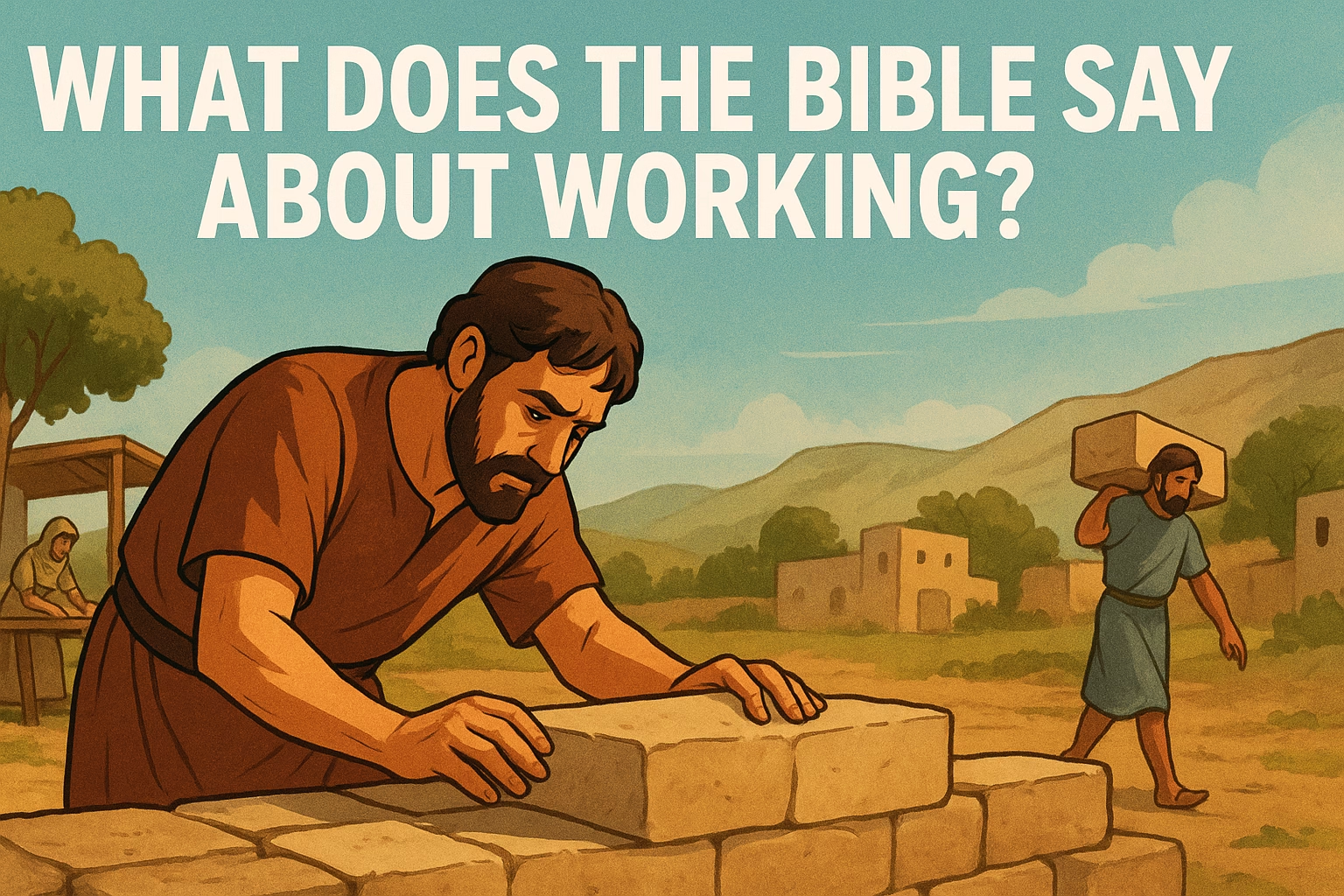
Work is a fundamental aspect of human life and society, and many people wonder what the Bible has to say about it. From the creation story to the teachings of Jesus, the Scriptures provide valuable insights into the nature of work, its purpose, and its significance in the life of a believer.
The Bible emphasizes the importance of work as both a divine command and a means of serving others. It offers guidance on how to approach our jobs and responsibilities in a way that honors God. Let’s explore what Scripture says about working, its value, and the attitudes we should have toward it.
Work as Part of God’s Design
The concept of work originates in the very beginning of the Bible. In Genesis 2:15, God places Adam in the Garden of Eden to “tend and watch over it.” This indicates that work was part of God’s original design for humanity. It was not a result of the Fall, but rather a responsibility given to humans before sin entered the world.
Work is portrayed as a good and meaningful endeavor. God Himself worked during the creation process, and afterward, He rested, setting a pattern for humanity. In this context, work is seen as a reflection of God’s character and creativity. When we engage in work, we participate in God’s ongoing creation and stewardship of the earth.
The Dignity of Work
The Bible affirms the dignity of all types of work. In Colossians 3:23-24, Paul encourages believers to work heartily as if they were working for the Lord rather than for men. This perspective elevates the value of every job, whether it is in the home, at a desk, or in a manual labor position. Each role contributes to the functioning of society and the well-being of others.
Moreover, the Bible teaches that work is not just about earning a paycheck. It is also about fulfilling our God-given purpose and serving others. Ephesians 2:10 states that we are created in Christ Jesus for good works, which God prepared in advance for us to do. This highlights that our work can be a form of ministry and an expression of our faith.
The Importance of Hard Work
Throughout the Bible, hard work is commended. Proverbs 12:11 states, “Those who work their land will have abundant food, but those who chase fantasies have no sense.” This verse emphasizes the benefits of diligent labor and the consequences of laziness. Hard work is often rewarded, while idleness can lead to poverty and unmet needs.
Additionally, Proverbs 14:23 notes, “All hard work brings a profit, but mere talk leads only to poverty.” This reinforces the idea that action and effort are crucial in achieving success. The Bible encourages believers to be industrious and to take their responsibilities seriously.
Work and Rest
While the Bible promotes hard work, it also emphasizes the importance of rest. After creating the world, God rested on the seventh day, establishing a rhythm of work and rest. In Exodus 20:8-11, the Sabbath commandment invites believers to take a day of rest, reflecting God’s design for balance in life. Rest is not only a physical necessity but also a spiritual one, allowing time for reflection, rejuvenation, and relationship with God.
This balance is crucial in a world that often glorifies busyness and overwork. Jesus invites those who are weary to come to Him for rest (Matthew 11:28-30). This offers a reminder that while work is important, our spiritual and emotional well-being should not be neglected.
Work Ethics and Attitudes
The Bible provides guidance on how to approach work ethically. Colossians 4:1 advises masters to treat their servants justly and fairly, recognizing that they too have a Master in heaven. This principle of fairness applies to all relationships in the workplace, advocating for integrity and respect.
Moreover, in 1 Thessalonians 4:11-12, Paul encourages believers to lead a quiet life, mind their own business, and work with their hands so that they may win the respect of outsiders. This emphasizes that our work ethic can be a testimony to others about our faith and values.
Work as Service to Others
The Bible teaches that work is not just for personal gain but also for serving others. In Galatians 5:13, Paul writes that we should serve one another in love. This principle extends to the workplace, where our actions can impact colleagues, customers, and the wider community.
Additionally, Matthew 25:35-40 illustrates the importance of serving those in need. Jesus identifies Himself with the least of these, suggesting that acts of service in our work can be seen as service to Him. Whether through acts of kindness, ethical practices, or helping those less fortunate, our work can reflect the love of Christ in tangible ways.
Conclusion
The Bible presents a comprehensive view of work, highlighting its significance in God’s creation, the dignity it holds, and the ethical attitudes we should cultivate. As we engage in our daily tasks, we are called to recognize our work as a calling and an opportunity to serve others while honoring God. In the next section, we will explore further aspects of work, including its challenges and how to find fulfillment in our labor.
Work and Its Challenges
While the Bible presents a positive view of work, it also acknowledges the challenges that come with it. In Genesis 3:17-19, the consequences of sin include toil and hardship in work. This passage explains that the ground will produce thorns and thistles, and that humans will have to work hard for their sustenance. This reality reflects the struggles many face in their jobs today, including burnout, frustration, and unfulfilled expectations.
Believers are encouraged to persevere through these challenges. James 1:2-4 teaches that trials can produce perseverance, leading to spiritual maturity. This perspective encourages individuals to view work-related struggles as opportunities for growth and reliance on God. It emphasizes that faith can provide strength to overcome obstacles and challenges in the workplace.
Finding Fulfillment in Work
Finding fulfillment in work is a common pursuit, and the Bible offers guidance on how to achieve it. Ecclesiastes 3:22 reflects the idea that enjoyment of one’s labor is a gift from God. This suggests that fulfillment comes not just from the work itself but from recognizing it as a blessing and appreciating the fruits of one’s labor.
Additionally, Colossians 3:17 encourages believers to do everything in the name of the Lord, which includes their work. This mindset can transform mundane tasks into meaningful acts of service. When work is viewed as part of one’s faith journey, it can lead to a deeper sense of purpose and satisfaction, even amid difficult circumstances.
Work and Community
The Bible emphasizes the communal aspect of work. In 1 Corinthians 12:12-27, Paul describes the church as a body with many parts, each having its unique role. This analogy extends to the workplace, where collaboration and teamwork are essential for success. Each person’s contributions are valuable, and working together can enhance the effectiveness of any endeavor.
Furthermore, Hebrews 10:24-25 encourages believers to spur one another on toward love and good deeds. This principle applies in professional settings as well, where mutual support and encouragement can foster a positive work culture. When believers unite in their work, they can create an environment that reflects Christ’s love and grace.
Work and Stewardship
The Bible teaches that work is an expression of stewardship. In 1 Peter 4:10, believers are called to use their gifts to serve others as faithful stewards of God’s grace. This highlights the idea that our work is not solely for personal achievement but also for the benefit of others and the glory of God.
Additionally, the Parable of the Talents in Matthew 25:14-30 illustrates the importance of using one’s abilities wisely. The servants who invested their talents were rewarded, while the one who buried his talent faced consequences. This story serves as a reminder that we are accountable for how we use our skills and resources in our work. It encourages believers to take initiative and be proactive in their endeavors.
Work and Worship
Work can also be an act of worship. In Romans 12:1, Paul urges believers to present their bodies as living sacrifices, holy and pleasing to God, which is a spiritual act of worship. This invites the understanding that work can be an extension of our worship, as we dedicate our efforts to God. When we approach our jobs with a heart of service and gratitude, we honor Him in all we do.
Moreover, work can connect us with God as we seek His guidance and wisdom in our daily tasks. Proverbs 3:5-6 encourages believers to trust in the Lord with all their hearts and to acknowledge Him in all their ways. This reliance on God can lead to greater fulfillment and purpose in our work, allowing us to navigate challenges with a sense of peace and direction.
Conclusion
The Bible provides a rich framework for understanding work, addressing its significance, challenges, and potential for fulfillment. As believers engage in their labor, they are reminded to view work as a calling, a means of serving others, and an opportunity to worship God. By embracing a biblical perspective on work, individuals can find meaning and purpose in their daily endeavors, reflecting God’s love and grace in the world.
For further exploration of how work can be a part of a believer’s life, consider reading about the importance of service in the community and how to balance work and faith effectively.