
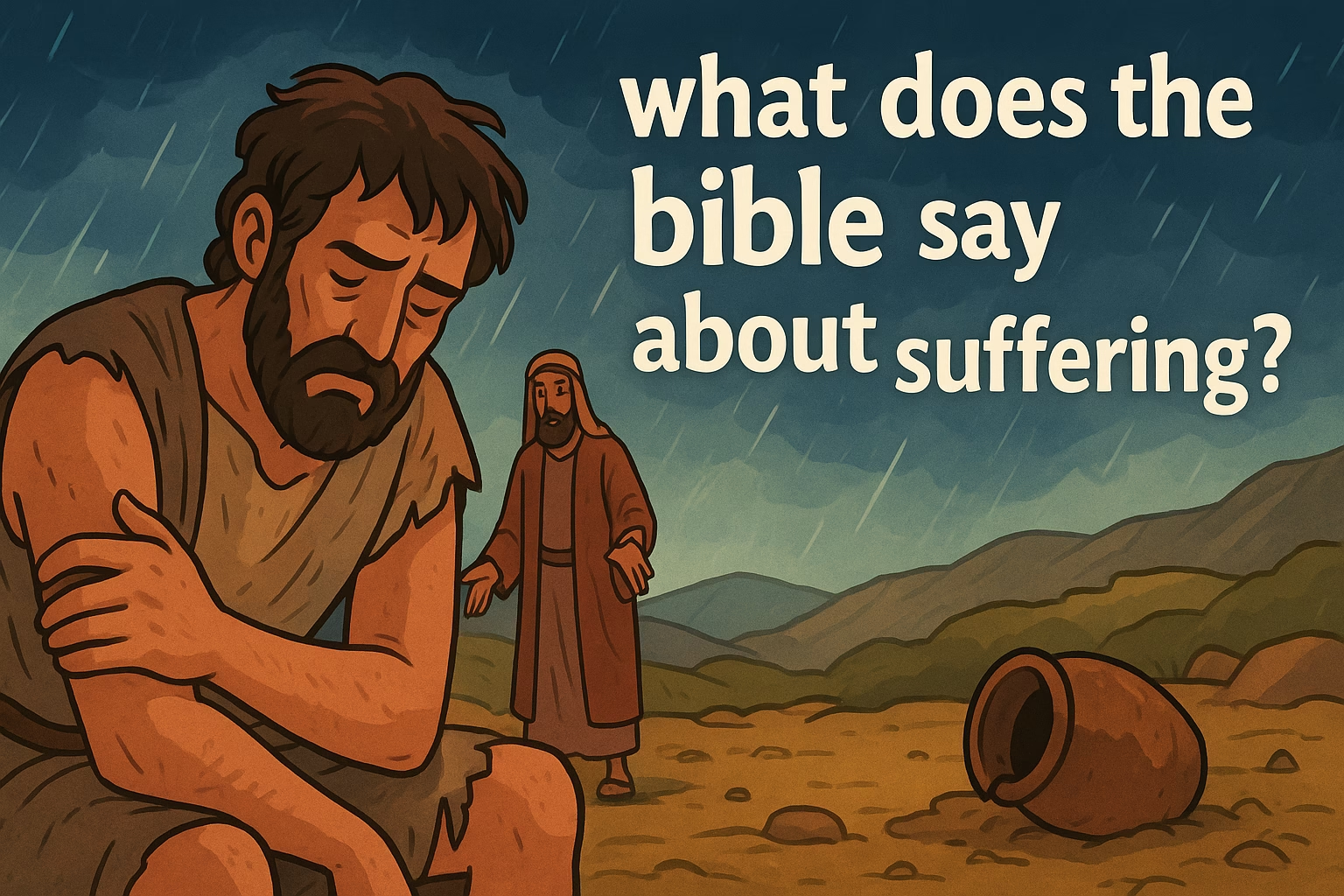
Suffering is a universal experience that touches every human life in different ways. Many people grapple with the question of why suffering exists, especially in light of their faith. For Christians, the Bible offers insights and perspectives that can help make sense of suffering, providing comfort and hope amidst pain.
The Bible addresses suffering in various contexts, revealing that it is not merely a result of sin or a punishment from God. Instead, it often serves a greater purpose in the lives of believers. Throughout Scripture, we see examples of suffering that lead to growth, perseverance, and ultimately, a deeper relationship with God.
The Nature of Suffering
The Bible acknowledges that suffering is a part of the human experience. In Job 1:21, Job, a man who faced immense loss and suffering, stated, “The Lord gave me what I had, and the Lord has taken it away. Praise the name of the Lord!” This verse illustrates that suffering can coexist with faith and praise. Job’s story teaches that even in our darkest moments, we can trust in God’s sovereignty.
Purpose of Suffering
The Bible teaches that suffering can serve multiple purposes. One key purpose is spiritual growth. In Romans 5:3-5, Paul writes that we can rejoice in our sufferings because they produce perseverance, character, and hope. This passage suggests that suffering is not in vain; it can lead to qualities that strengthen our faith.
Refining Fire
Another metaphor used in the Bible to describe suffering is that of refining fire. In 1 Peter 1:6-7, it says, “So be truly glad. There is wonderful joy ahead, even though you must endure many trials for a little while. These trials will show that your faith is genuine. It is being tested as fire tests and purifies gold.” Here, suffering is portrayed as a process that purifies and strengthens faith, much like gold is refined in fire.
Suffering as a Form of Discipline
Suffering can also be a form of divine discipline. In Hebrews 12:5-11, the writer encourages believers not to take lightly the Lord’s discipline, stating that God disciplines those He loves. This passage emphasizes that suffering can be a way for God to correct and guide His children, helping them grow in righteousness.
Examples of Suffering in the Bible
The Bible is filled with stories of individuals who suffered yet remained faithful. Joseph, for instance, endured betrayal, slavery, and imprisonment, yet he ultimately rose to a position of power and was able to save many people during a famine (Genesis 37-50). His story highlights how God can bring good from our suffering, even when we cannot see it at the moment.
Another poignant example is found in the New Testament with the Apostle Paul. In 2 Corinthians 12:7-10, Paul speaks of a “thorn in the flesh” that tormented him, yet he learned that God’s grace is sufficient in weakness. His suffering led to a deeper reliance on God, demonstrating that hardships can draw us closer to Him.
The Role of Christ in Suffering
Central to the Christian faith is the understanding that Jesus Himself suffered. In Isaiah 53:5, it is prophesied that the Messiah would be “pierced for our rebellion, crushed for our sins.” Jesus’ suffering on the cross serves as the ultimate example of love and sacrifice. His experience of pain and abandonment provides believers with a source of comfort, knowing that He understands our suffering intimately.
Hope in Suffering
The Bible also offers hope in the face of suffering. In Revelation 21:4, it promises that in the end, God will “wipe every tear from their eyes, and there will be no more death or sorrow or crying or pain.” This future hope encourages Christians to endure present suffering with the assurance that it is temporary and will ultimately be redeemed.
Community and Suffering
Lastly, the Bible emphasizes the importance of community during times of suffering. In Galatians 6:2, Paul instructs believers to “share each other’s burdens.” This call to bear one another’s burdens highlights the role of the church as a support system. During difficult times, the love and support of fellow believers can provide strength and comfort.
Understanding the Weight of Suffering
Suffering can feel isolating and overwhelming, leading many to question their faith or the goodness of God. The Bible acknowledges this struggle. In Psalm 10:1, the psalmist cries out, “Why, Lord, do you stand far off? Why do you hide yourself in times of trouble?” This verse reflects a profound sense of abandonment that can accompany suffering. Believers are not alone in feeling this way; even the faithful can experience deep despair.
The Mystery of Suffering
The Bible does not provide a definitive answer to why suffering exists. Instead, it often presents suffering as a mystery. In Ecclesiastes 1:13, it states, “I applied my mind to study and to explore by wisdom all that is done under the heavens.” This suggests that human understanding of suffering is limited. While we may seek reasons, we may not always find satisfactory answers. This invites believers to trust in God’s greater plan, even when circumstances are confusing or painful.
God’s Presence in Suffering
In times of suffering, the Bible reassures believers that God is present and active. In Psalm 23:4, it says, “Even when I walk through the darkest valley, I will not be afraid, for you are close beside me.” This verse emphasizes that God does not abandon His people in their suffering; rather, He walks alongside them. Understanding that God is present can provide comfort in the darkest moments.
Jesus’ Empathy
Jesus’ life exemplifies empathy for those who suffer. He wept at the tomb of Lazarus (John 11:35), demonstrating His deep compassion for those in pain. This moment reveals that grief and suffering are not weaknesses; they are part of the human experience that Jesus fully understands. His willingness to enter into human suffering provides a model for how we can respond to others in their pain, encouraging us to practice empathy and compassion.
The Call to Persevere
Perseverance is a recurring theme in relation to suffering in the Bible. In James 1:2-4, it encourages believers to “consider it pure joy” when facing trials because such testing produces perseverance. This perspective reframes suffering as an opportunity for growth. Rather than viewing it solely as a burden, believers are invited to see it as a pathway to maturity in faith.
Endurance as a Testimony
Enduring suffering can also serve as a powerful testimony to others. In 1 Peter 2:12, Peter encourages believers to “live such good lives among the pagans that, though they accuse you of doing wrong, they may see your good deeds and glorify God.” Our response to suffering can reflect our faith and demonstrate God’s goodness to others, potentially drawing them closer to Him.
The Future Hope Beyond Suffering
While the Bible acknowledges the reality of suffering, it consistently points to a future hope. In Romans 8:18, Paul writes, “Yet what we suffer now is nothing compared to the glory he will reveal to us later.” This promise of future glory provides a lens through which to view current hardships. Believers are encouraged to hold onto this hope, knowing that their present suffering is temporary in light of eternal life with God.
Encouragement from Scripture
Many passages throughout the Bible serve as encouragement during suffering. In 2 Corinthians 4:16-18, Paul reminds believers not to lose heart, stating that our momentary troubles are achieving an eternal glory that far outweighs them all. Such reminders can help believers maintain perspective and find strength to endure.
Living with Suffering in Community
The importance of community support is emphasized throughout the New Testament. In 1 Thessalonians 5:11, Paul exhorts believers to “encourage one another and build each other up.” During times of suffering, the church is called to be a refuge, offering support, prayers, and practical help to those in need. This communal aspect of faith can alleviate the burden of suffering and foster resilience among believers.
The Role of Prayer
Prayer is another crucial element in dealing with suffering. In Philippians 4:6-7, Paul encourages believers to bring their anxieties to God in prayer, promising that His peace will guard their hearts and minds. Prayer not only serves as a means of expressing pain but also opens the door for God’s comfort and guidance.
Conclusion: Embracing Suffering with Faith
Ultimately, the Bible presents suffering as a complex but integral part of the Christian journey. It is not devoid of purpose, but rather a means through which believers can grow closer to God, develop character, and witness to others. While suffering can be painful and confusing, the hope of future glory, the presence of God, and the support of community provide a foundation for enduring hardship. By embracing suffering with faith, Christians can find strength, purpose, and even joy in the midst of trials.
For further insights on the topic of suffering and the role of community in the Christian faith, you can read more about sharing each other’s burdens and how future glory outweighs current suffering in the Scriptures.