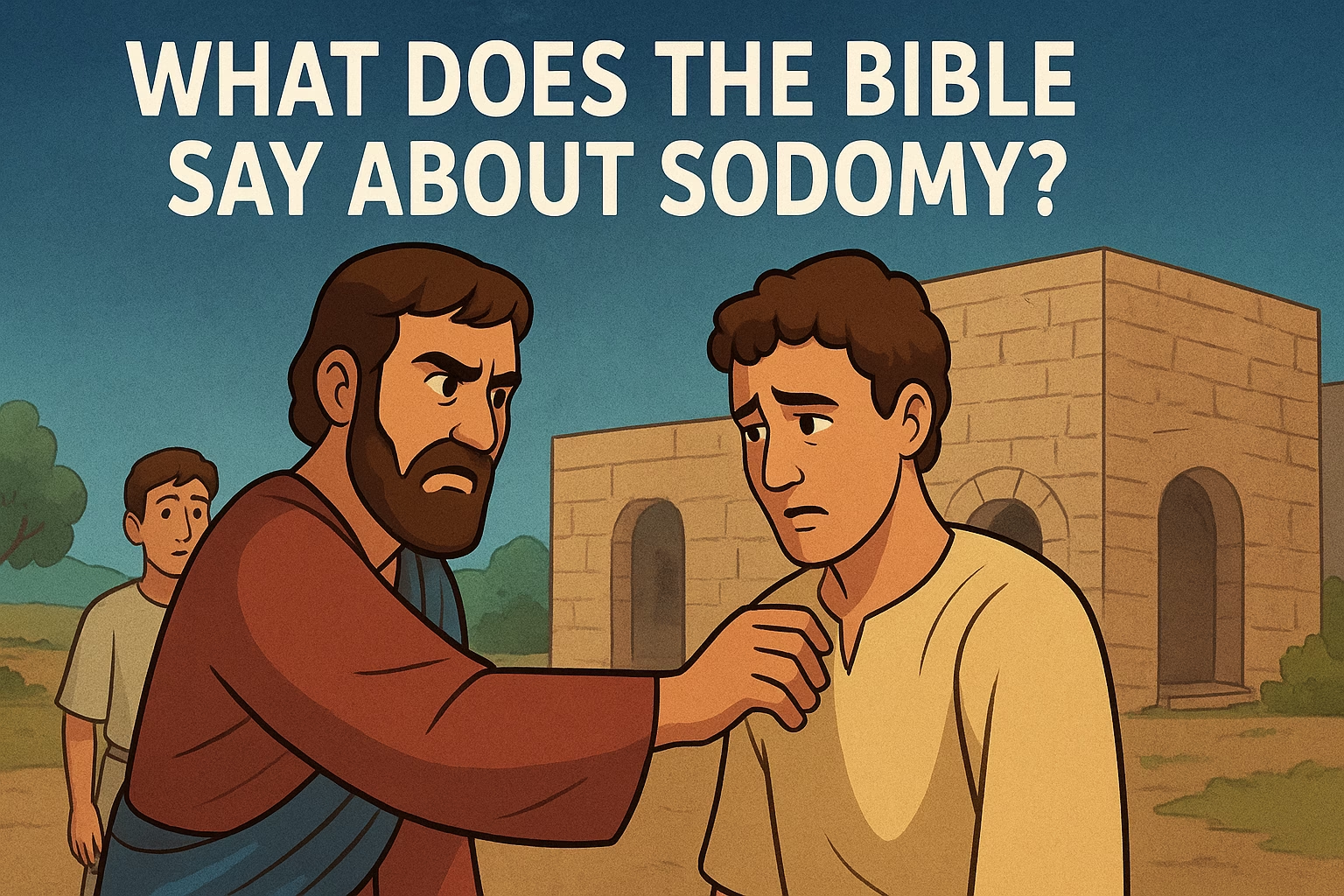
The topic of sodomy has been a point of discussion and debate among Christians and theologians for centuries. As believers seek to understand the Bible’s stance on the issue, it is important to approach the Scriptures with an open heart and mind. This article will explore what the Bible says about sodomy, examining relevant passages and their contexts, while distinguishing between Scripture, tradition, and interpretation.
Sodomy, often associated with homosexual acts, is mentioned in several key biblical passages. The Scriptures provide guidance on sexual morality, and it is essential to analyze these texts to grasp their meaning and implications. In this discussion, we will look at the primary verses that reference sodomy and their interpretations within the Christian faith.
Key Biblical Passages Related to Sodomy
Genesis 19: The Destruction of Sodom and Gomorrah
One of the most cited passages regarding sodomy is found in the story of Sodom and Gomorrah in Genesis 19. In this account, two angels visit the city of Sodom, and the men of the city surround Lot’s house, demanding to know the angels. Lot offers his daughters to the crowd instead, which highlights the extreme behavior of the men. The angels ultimately intervene, blinding the men and leading Lot and his family to safety before the cities are destroyed.
This story is often interpreted as a condemnation of homosexual behavior, particularly due to the actions of the men of Sodom. However, some scholars argue that the primary sin of Sodom was not merely sexual immorality but also a lack of hospitality, violence, and oppression of the vulnerable. Ezekiel 16:49-50 states, “Now this was the sin of your sister Sodom: She and her daughters were arrogant, overfed and unconcerned; they did not help the poor and needy. They were haughty and did detestable things before me. Therefore I did away with them as you have seen.” This broader interpretation suggests that the sins of Sodom encompass more than just sexual acts.
Leviticus 18:22 and 20:13: The Holiness Code
The Holiness Code in Leviticus provides specific laws regarding sexual conduct. Leviticus 18:22 states, “Do not have sexual relations with a man as one does with a woman; that is detestable.” Similarly, Leviticus 20:13 prescribes the death penalty for such acts. These verses are often cited as clear prohibitions against homosexual behavior.
It is crucial to understand the cultural and historical context of these laws. The Israelites were living in a time when surrounding nations practiced various forms of sexual immorality. The laws in Leviticus were intended to set the Israelites apart as a holy people. Many theologians argue that these laws were specific to that cultural context and do not necessarily apply to contemporary discussions about sexual orientation and relationships.
Romans 1:26-27: Paul’s Teaching on Sexual Immorality
In the New Testament, Paul addresses sexual immorality in Romans 1:26-27. He writes, “Because of this, God gave them over to shameful lusts. Even their women exchanged natural sexual relations for unnatural ones. In the same way, the men also abandoned natural relations with women and were inflamed with lust for one another.” This passage is often interpreted as a condemnation of homosexual relationships.
However, it is important to consider the context in which Paul was writing. He was addressing a society steeped in idolatry and moral decay. Some scholars suggest that Paul’s focus was on the excesses of sexual immorality rather than a blanket condemnation of all same-sex relationships. The interpretation of this passage can vary widely among different Christian denominations and communities.
1 Corinthians 6:9-10: A List of Wrongdoers
In 1 Corinthians 6:9-10, Paul lists various types of wrongdoers who will not inherit the kingdom of God. Among these, he includes “the sexually immoral, idolaters, adulterers, men who have sex with men” (NLT). This passage raises questions about the interpretation of the terms used and the cultural context of the time.
Some translations use specific Greek terms that refer to different types of sexual behavior, leading to debates about what these terms encompass. The argument often centers on whether Paul is condemning consensual same-sex relationships or specific exploitative practices prevalent in the Roman Empire. This distinction is vital for understanding the application of this passage today.
Understanding the Context of Biblical Teachings
When examining what the Bible says about sodomy, it is essential to consider the historical and cultural context of each passage. Many biblical authors addressed specific issues relevant to their audience, which may not directly translate to modern contexts. Additionally, the interpretations of these texts can vary significantly across different denominations and theological perspectives.
It is also important to recognize that the Bible’s overarching message emphasizes love, grace, and redemption. Many Christians believe that all individuals, regardless of their sexual orientation, are created in the image of God and worthy of love and respect. This belief invites a more compassionate approach to discussing issues of sexuality and morality.
In summary, the Bible addresses sodomy through various passages, each with its own context and interpretation. While some verses appear to condemn homosexual acts, others suggest a broader understanding of sin and morality. As believers seek to understand these teachings, it is vital to approach the Scriptures with humility, recognizing the complexity of the issues at hand.
Further Biblical Insights on Sexuality
To deepen the understanding of what the Bible says about sodomy, it is useful to explore additional passages that address broader themes of sexuality and relationships. These texts can provide insight into God’s design for human intimacy and the moral framework intended for sexual conduct.
Genesis 2:24: The Design for Marriage
In Genesis 2:24, it is stated, “This is why a man leaves his father and mother and is united to his wife, and they become one flesh.” This foundational verse outlines the biblical model for marriage, emphasizing the union between a man and a woman. Many Christians interpret this as a divine blueprint for human relationships, suggesting that the ideal expression of sexuality is found within the context of heterosexual marriage.
Understanding this passage can help frame discussions about sexuality within the Bible. The emphasis on the marital relationship serves as a contrast to other forms of sexual expression that do not align with this model. This context raises questions about the nature of intimacy and commitment in relationships outside of heterosexual marriage.
1 Timothy 1:9-10: The Law and Its Purpose
In 1 Timothy 1:9-10, Paul discusses the purpose of the law, indicating it is meant for the lawless and disobedient, including “the sexually immoral, those practicing homosexuality, enslavers, liars, perjurers, and for whatever else is contrary to sound doctrine.” This passage reinforces the notion that certain behaviors are outside the moral teachings of Christianity.
However, it is crucial to understand that the law serves to reveal sin rather than provide a means of salvation. This aspect of the law invites believers to reflect on their actions and encourages a pursuit of holiness. The conversation around sexual morality in this context can lead to deeper discussions about repentance, grace, and transformation.
Theological Perspectives on Homosexuality
Different Christian denominations and theologians offer varying interpretations regarding homosexuality and sodomy. Some hold to a traditional view that sees any sexual activity outside of heterosexual marriage as sinful. Others adopt a more progressive stance, arguing that the Bible’s cultural context and evolving understandings of sexuality call for a more inclusive interpretation.
Traditional Viewpoint
The traditional viewpoint emphasizes the permanence of God’s design for marriage as being between a man and a woman. Proponents of this perspective argue that the biblical texts explicitly prohibit homosexual behavior and uphold the importance of sexual relationships being expressed within the bounds of heterosexual marriage. This interpretation often leads to a clear stance against same-sex relationships.
Progressive Viewpoint
On the other hand, many progressive Christians advocate for a re-examination of the biblical texts concerning homosexuality. They often argue that the cultural contexts of ancient societies differ significantly from contemporary understandings of sexual orientation and relationships. Some suggest that the biblical references to sodomy may not apply to modern consensual same-sex relationships, as they were written in contexts of exploitation and abuse.
This perspective encourages dialogue about love, acceptance, and the recognition of LGBTQ+ individuals as equal members of the Christian community. Advocates for this view often emphasize the importance of love and inclusion, seeking to align their beliefs with the overarching message of grace found in the New Testament.
Follow-Up Questions for Reflection
As individuals seek to understand the Bible’s stance on sodomy, it is helpful to consider some meaningful follow-up questions:
- In what ways do the cultural contexts of biblical passages influence their interpretation today?
- How can love and grace be balanced with biblical teachings on sexual morality?
- What role does the church play in supporting individuals who identify as LGBTQ+ while upholding its theological convictions?
- Are there ways to engage in compassionate dialogue with those who hold differing views on sexuality?
These questions can foster deeper understanding and promote respectful discussions about sexuality within the church and broader society.
Conclusion: A Call for Compassion and Understanding
In conclusion, the Bible addresses the topic of sodomy through various passages, each situated within its unique cultural and historical context. While some verses appear to condemn homosexual acts, a deeper exploration reveals a more complex picture of sexual morality, love, and human dignity. As believers navigate these challenging discussions, it is essential to approach the Scriptures with humility, recognizing the call to love and respect all individuals as created in the image of God. The dialogue on sexuality within Christianity should be characterized by compassion, understanding, and a commitment to seek the truth in light of God’s Word.
For further exploration of related topics, consider reading about the cultural context of biblical laws and the role of the church in contemporary sexuality discussions.