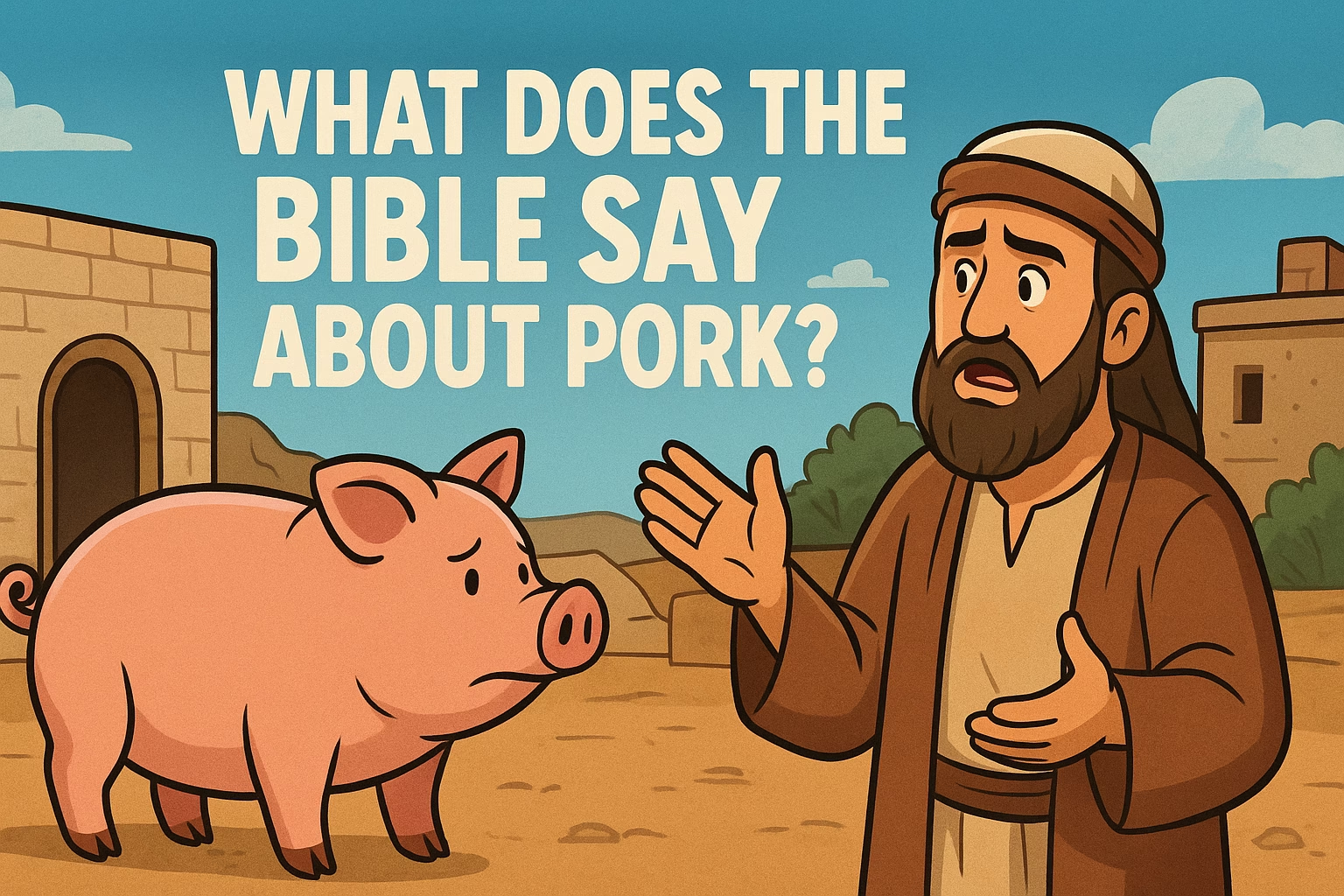
The topic of pork consumption in the Bible raises interesting questions about dietary laws and their relevance today. Many people wonder whether the prohibitions found in the Old Testament still apply to Christians today. This article will explore various biblical passages and the context surrounding the consumption of pork, providing clarity and understanding.
In the Bible, the most direct references to pork are found in the Old Testament, particularly in the books of Leviticus and Deuteronomy. These texts outline dietary laws that were given to the Israelites, which included specific prohibitions against eating certain animals, including pigs. However, understanding these laws requires examining their purpose and the context in which they were given.
Old Testament Dietary Laws
The primary passages regarding pork are found in Leviticus 11 and Deuteronomy 14. These chapters detail the clean and unclean animals according to Mosaic Law. In Leviticus 11:7, it states, “The pig is also unclean; although it has a split hoof, it does not chew the cud.” Similarly, Deuteronomy 14:8 reiterates this prohibition, emphasizing that the Israelites were to avoid eating pork.
Purpose of the Dietary Laws
The dietary laws served multiple purposes. First, they set the Israelites apart from surrounding nations, establishing a distinct identity. Second, these laws were intended to promote health and hygiene. Many of the animals deemed unclean could carry diseases or parasites, which might explain why they were forbidden. The laws also had a spiritual dimension, teaching the Israelites about holiness and obedience to God.
New Testament Perspective
As we move into the New Testament, the perspective on dietary laws shifts significantly. In Acts 10, we find the account of Peter’s vision, where he sees a sheet filled with various animals, including those considered unclean. In Acts 10:15, a voice tells him, “Do not call something unclean if God has made it clean.” This moment marks a pivotal change in how early Christians understood the dietary laws.
Later, in Mark 7:18-19, Jesus declares all foods clean. This statement indicates a radical departure from the Old Testament dietary restrictions. By emphasizing that it is not what goes into a person that defiles them, but rather what comes out, Jesus shifts the focus from external laws to internal moral conditions.
Paul’s Teachings on Food
The Apostle Paul further addresses the issue of food in his letters. In Romans 14 and 1 Corinthians 8, he discusses how Christians should approach food that may be considered controversial. Paul emphasizes that believers should not judge one another based on dietary choices, as all food is ultimately created by God and can be received with thanksgiving. He encourages love and unity among believers, regardless of their dietary practices.
Historical and Cultural Context
Understanding the historical and cultural context is crucial in interpreting these biblical texts. The laws given to the Israelites were part of the covenant between God and His chosen people. These laws were meant to guide them in their relationship with God and their interactions with other nations. As such, they were deeply rooted in the cultural and religious identity of the Israelites.
When the early church emerged, it was composed of both Jewish and Gentile believers. The Gentiles did not have the same background in Jewish law, and the early church leaders had to navigate these differences. The Jerusalem Council, as described in Acts 15, ultimately decided that Gentile believers were not required to follow the entirety of the Mosaic Law, including dietary restrictions. Instead, they were asked to abstain from certain practices to maintain fellowship with Jewish believers.
Modern Interpretations and Applications
Today, many Christians interpret the biblical teachings on pork and other dietary laws in light of the New Testament revelations. Most agree that the prohibitions against eating pork are not binding for Christians. Instead, the emphasis is on living a life that honors God and reflects His character. This view aligns with the understanding that Jesus fulfilled the law, and believers are called to live under grace rather than strict adherence to Old Testament regulations.
However, some Christian denominations and groups still adhere to the dietary laws found in the Old Testament, believing they hold spiritual significance. For these groups, the decision to avoid pork is often rooted in tradition and a desire to honor God through their dietary choices. This is an example of how interpretation can vary among different Christian communities.
Conclusion
While the Bible explicitly prohibits the consumption of pork in the Old Testament, the New Testament reveals a shift in understanding regarding dietary laws. Jesus and the apostles taught that the focus should be on the heart and moral integrity rather than external regulations. As such, most Christians today do not view the consumption of pork as a violation of their faith. However, it is essential to respect the diverse interpretations and practices that exist within the Christian community regarding this matter.
Theological Implications of Dietary Laws
The debate over dietary laws, particularly concerning pork, invites deeper theological reflections. The concept of clean and unclean animals can be viewed as a metaphor for spiritual purity and the nature of sin. In the Old Testament, the Israelites were instructed to avoid unclean animals to maintain their holiness and set them apart for God’s purposes. This idea of being set apart continues to resonate in Christian theology, where believers are called to live holy lives, reflecting the character of Christ.
Furthermore, the New Testament’s shift towards grace and faith rather than adherence to the law raises important questions about the nature of salvation. Is salvation contingent upon following specific dietary regulations, or is it rooted in faith in Jesus Christ? Many theologians argue that the New Testament emphasizes a relationship with God that transcends external laws. This perspective encourages believers to focus on inner transformation rather than mere compliance with rules.
Ethical Considerations in Eating
In contemporary discussions about food, ethical considerations also play a significant role. While the Bible’s dietary laws were specific to the cultural context of the Israelites, modern Christians often wrestle with issues such as animal welfare, environmental impact, and health concerns related to food choices. The question arises: how does one’s diet reflect their values and beliefs? For some, avoiding pork and other foods may stem from a desire to honor God by caring for creation and being mindful of their health.
This ethical dimension of eating invites believers to consider how their food choices align with their faith. It encourages reflection on what it means to be a good steward of the resources God has provided. Thus, while the specific prohibition against pork may not apply to Christians today, the underlying principles of ethical eating and stewardship remain relevant.
Questions for Personal Reflection
As Christians navigate the complexities of dietary choices, several questions may arise for personal reflection:
- How do my food choices reflect my faith? Consider the motivations behind your dietary practices. Are they based on tradition, health, ethical concerns, or spiritual beliefs?
- Am I respecting the dietary choices of others? In light of Paul’s teachings about love and unity, how can you foster an environment of acceptance regarding different dietary practices within your community?
- What does it mean to live under grace? Reflect on how the New Testament’s message of grace influences your understanding of dietary laws and how it shapes your relationship with God.
Community and Fellowship in Dietary Practices
The early church faced significant challenges in reconciling diverse dietary practices among Jewish and Gentile believers. The Jerusalem Council’s decision to allow Gentiles to abstain from certain practices rather than imposing the full weight of the Mosaic Law demonstrates the importance of community and fellowship in the faith journey. This historical context highlights that dietary practices should not be a source of division but rather an opportunity for unity and understanding.
In modern Christian communities, it is vital to create spaces where individuals feel free to share their dietary choices without fear of judgment. Engaging in conversations about food can lead to deeper connections and greater understanding of each other’s backgrounds and beliefs. This approach fosters a spirit of unity that reflects the love of Christ.
Summary of Key Points
In summary, while the Bible presents clear prohibitions against pork in the Old Testament, the New Testament offers a transformative understanding of dietary laws. The shift from law to grace emphasizes the importance of the heart and moral integrity over external regulations. Christians today are encouraged to reflect on their dietary choices through the lens of faith, ethics, and community. By doing so, they can navigate the complexities of food in a way that honors God and respects the diverse practices within the body of Christ.
Ultimately, the question of whether to eat pork is not merely about dietary restrictions but about how believers live out their faith in everyday choices. Recognizing the nuances and respecting differing interpretations within the Christian community allows for a richer and more compassionate dialogue about what it means to follow Christ in all aspects of life.
For further exploration on the topic of dietary laws in the Bible, you can read more about it here and discover how different Christian communities interpret these guidelines here.