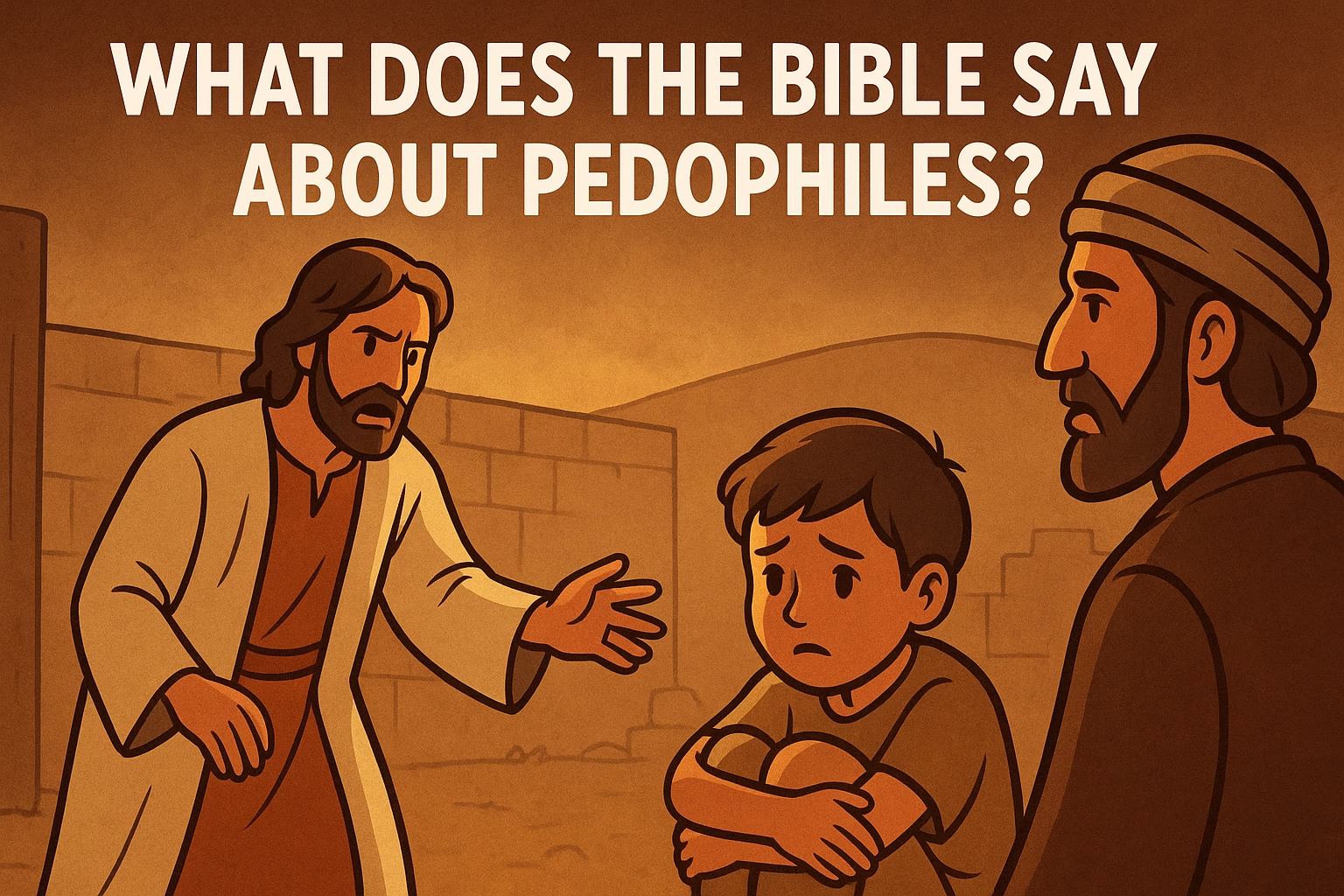
The topic of pedophilia is a sensitive and complex issue that raises many moral and ethical questions. In examining what the Bible says regarding this subject, it is crucial to approach it with care and an understanding of the context in which biblical texts were written. The Bible does not specifically mention the term “pedophile” as we understand it today, but it does provide principles and teachings that can inform our understanding of sexual morality and the treatment of children.
To answer the question of what the Bible says about pedophiles, we will explore relevant scripture passages that address sexual immorality, the value of children, and the consequences of leading others into sin. These teachings can shed light on how we should view and respond to such behaviors.
The Value of Children in Scripture
The Bible places a high value on children, often portraying them as innocent and precious in the eyes of God. Jesus himself emphasized the importance of children when he said, “Let the children come to me, and do not hinder them, for the kingdom of God belongs to such as these” (Mark 10:14, NLT). This highlights the innocence of children and their significant place in the kingdom of God.
Moreover, in Matthew 18:6, Jesus warns against causing harm to children, stating, “If anyone causes one of these little ones—those who believe in me—to stumble, it would be better for them to have a large millstone hung around their neck and to be drowned in the depths of the sea.” This powerful statement underscores the seriousness with which God views the protection of children and the grave consequences for those who exploit or harm them.
Sexual Immorality and Its Consequences
The Bible addresses sexual immorality in various forms, condemning behaviors that violate God’s design for human relationships. In 1 Corinthians 6:18, Paul writes, “Run from sexual sin! No other sin so clearly affects the body as this one does. For sexual immorality is a sin against your own body.” This verse emphasizes that sexual sin, including acts against children, is not only a moral failing but also has profound implications for the individual committing the sin.
In Leviticus 18, God outlines various sexual prohibitions, including those that involve inappropriate relationships. The chapter lists forbidden sexual practices, and while it does not explicitly mention pedophilia, it sets a standard for sexual conduct that prioritizes the well-being and dignity of all individuals, particularly vulnerable populations such as children.
The Call to Protect the Vulnerable
The Bible consistently advocates for the protection of the vulnerable and the oppressed. Proverbs 31:8-9 calls on believers to “Speak up for those who cannot speak for themselves, for the rights of all who are destitute. Speak up and judge fairly; defend the rights of the poor and needy.” This principle extends to children, who are often unable to advocate for themselves in situations of abuse or exploitation.
Furthermore, in James 1:27, we read, “Religion that God our Father accepts as pure and faultless is this: to look after orphans and widows in their distress and to keep oneself from being polluted by the world.” This verse emphasizes the need for believers to care for those in vulnerable situations, which includes children at risk of exploitation. The call to protect children from harm is an essential aspect of living out one’s faith.
God’s Judgment on Wickedness
The Bible also teaches that God will judge those who engage in wickedness and injustice. In Revelation 21:8, it is noted that the “cowardly, the unbelieving, the vile, the murderers, the sexually immoral, those who practice magic arts, the idolaters, and all liars—they will be consigned to the fiery lake of burning sulfur. This is the second death.” This verse serves as a warning about the consequences of a life lived in rebellion against God’s standards, including sexual immorality.
In light of these teachings, it is clear that the Bible condemns any form of sexual exploitation, including acts against children. The severity of these acts is underscored by the strong language used in Scripture regarding the protection of the innocent and the consequences that await those who violate this sacred trust.
Forgiveness and Redemption
While the Bible provides strong condemnations of sexual immorality, it also offers a message of hope and redemption. In 1 John 1:9, we are reminded, “If we confess our sins, he is faithful and just and will forgive us our sins and purify us from all unrighteousness.” This verse highlights the possibility of forgiveness for those who genuinely repent of their wrongdoings.
However, it is essential to note that true repentance involves a change of heart and behavior. Genuine repentance means recognizing the harm caused by one’s actions, seeking to make amends, and striving to live in accordance with God’s will moving forward. This process is not merely about seeking forgiveness but also about taking responsibility for one’s actions, particularly when those actions have harmed the innocent.
In summary, while the Bible does not explicitly mention pedophilia, it provides clear principles regarding the value of children, the seriousness of sexual immorality, and the call to protect the vulnerable. These teachings serve as a guide for understanding the moral implications of such behavior and the importance of seeking justice and healing for those affected.
Understanding Sin and Its Impact
In the Bible, sin is depicted as a serious issue that not only affects the individual but also has broader implications for the community. Romans 3:23 states, “For everyone has sinned; we all fall short of God’s glorious standard.” This general truth about sin highlights the human condition and the necessity for accountability. When considering acts of sexual exploitation, especially against children, it is crucial to understand that such actions not only harm the victim but also have ripple effects throughout families and communities.
In the context of pedophilia, the Bible teaches that sin can lead individuals to make choices that are contrary to God’s will. In James 1:14-15, it is explained that “temptation comes from our own desires, which entice us and drag us away. These desires give birth to sinful actions. And when sin is allowed to grow, it gives birth to death.” This illustrates that unchecked desires can lead to devastating consequences, particularly when they are directed toward vulnerable individuals like children.
Community Responsibility and Accountability
The Bible emphasizes the importance of community in maintaining moral standards and providing accountability. In Galatians 6:1, Paul encourages believers to “gently and humbly help that person back onto the right path.” This directive implies that when someone is caught in sin, especially serious sin like exploitation, the community has a responsibility to intervene and assist in restoration. Protecting children from harm is a collective duty of society, and believers are called to stand against injustices.
Moreover, Matthew 18:15-17 provides a framework for addressing sin within the community. It encourages believers to confront those who have sinned, suggesting a process of confrontation, witness, and, if necessary, escalation to the church. This methodology reinforces the idea that the church is not merely a place of worship but also a community that upholds moral integrity and seeks to protect its most vulnerable members.
The Role of Justice
Justice is a recurring theme in Scripture, and God’s desire for justice extends to the protection of the innocent. Micah 6:8 reminds believers to “act justly and to love mercy and to walk humbly with your God.” This call to justice is particularly relevant when addressing issues of exploitation and abuse. It emphasizes that believers should not only seek personal righteousness but also advocate for social justice, ensuring that the rights of children and other vulnerable individuals are upheld.
Furthermore, in Isaiah 1:17, God commands His people to “learn to do good; seek justice, correct oppression; bring justice to the fatherless, plead the widow’s cause.” This is a direct call to action for believers to engage in the fight against injustices, including the protection of children from harmful behaviors. Such advocacy aligns with the biblical mandate to care for those who cannot defend themselves.
Healing and Support for Victims
The Bible emphasizes the importance of healing for those who have suffered from the effects of sin, including abuse. In Psalm 147:3, it is stated, “He heals the brokenhearted and binds up their wounds.” This promise of healing reflects God’s compassion for those who have been harmed. Churches and communities are called to be places of refuge and support for victims, providing not only spiritual guidance but also practical assistance in their recovery journey.
In addition to spiritual healing, victims of exploitation often require emotional and psychological support. Believers are encouraged to be sensitive to the needs of those who have suffered and to create safe environments where they can heal. This aligns with the biblical principle of bearing one another’s burdens, as found in Galatians 6:2: “Carry each other’s burdens, and in this way, you will fulfill the law of Christ.”
Conclusion: A Call to Action
In conclusion, while the Bible does not explicitly label individuals as pedophiles, it offers a comprehensive understanding of the moral implications surrounding sexual exploitation, particularly against children. Scriptures emphasize the value of children, the seriousness of sexual immorality, and the community’s role in protecting the vulnerable. The teachings call for a proactive stance against such injustices and encourage believers to advocate for the rights of children, provide support for victims, and seek justice through appropriate channels.
As Christians, it is essential to reflect on these teachings and consider how we can actively contribute to creating a safe and just environment for all, particularly those who are most vulnerable. This requires a commitment to uphold the dignity of every individual and to take responsibility for the well-being of our communities.
For further exploration of related topics, you can read about the importance of community support in dealing with abuse in this article and learn how faith can guide recovery for victims in this resource.