
Understanding the term “propitiation” is crucial for grasping key themes in the Bible, especially regarding God’s justice and mercy. This term often appears in discussions about atonement and the sacrifice of Jesus Christ. In this article, we will explore the meaning of propitiation in the Bible, its significance, and the context in which it is used.
Propitiation refers to the act of appeasing or satisfying the wrath of God. In a biblical context, it specifically relates to how Jesus’ sacrifice on the cross serves to reconcile humanity with God. This concept is rooted in the understanding that sin incurs a penalty and that God’s justice must be satisfied. In essence, propitiation ensures that God’s righteous anger towards sin is addressed, allowing for forgiveness and restored relationship with Him.
The Biblical Basis for Propitiation
The concept of propitiation is primarily derived from several key passages in the New Testament. One of the most explicit references can be found in 1 John 2:2, which states, “He himself is the sacrifice that atones for our sins—and not only our sins but the sins of all the world” (NLT). Here, the term “sacrifice that atones” directly relates to propitiation, indicating that Jesus’ death satisfies God’s requirement for justice.
Another significant verse is Romans 3:25, which states, “For God presented Jesus as the sacrifice for sin. People are made right with God when they believe that Jesus sacrificed his life,
Understanding the Context of Propitiation
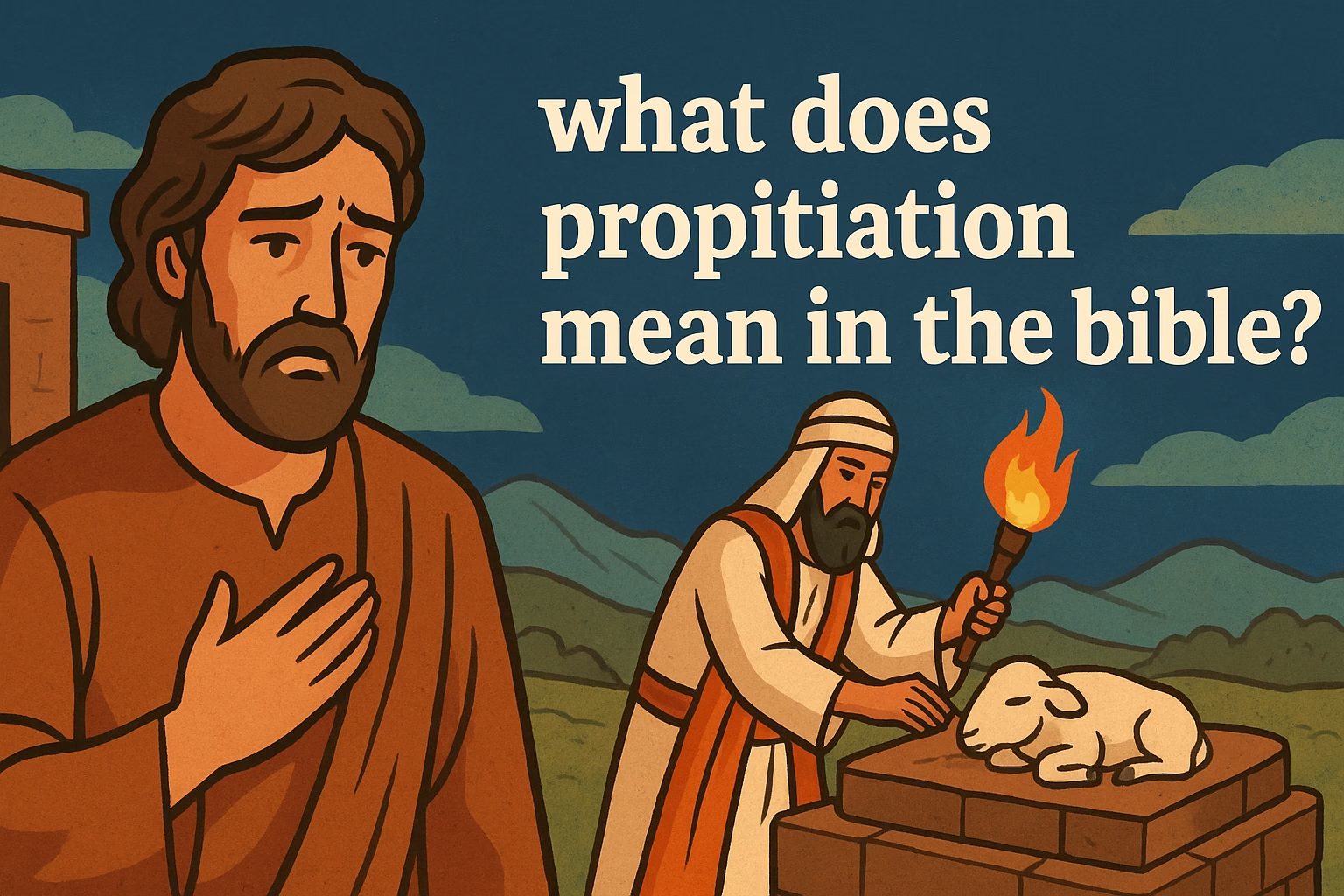
To fully appreciate the concept of propitiation, it is essential to consider its context within the broader narrative of Scripture. The Old Testament lays the groundwork for understanding propitiation through the sacrificial system established for the Israelites. In Leviticus, God outlines various offerings, including sin offerings and guilt offerings, which were meant to atone for the people’s sins. These sacrifices were a foreshadowing of the ultimate sacrifice that would come in Jesus Christ.
The Day of Atonement (Yom Kippur) is particularly significant, as it involved the high priest making a sacrifice for the sins of the people. This day served as a reminder of the seriousness of sin and the need for atonement. The high priest would enter the Holy of Holies with the blood of the sacrificial animal, symbolizing the appeasement of God’s wrath and the restoration of the people’s relationship with Him. This practice highlights the necessity of a mediator between God and humanity, a role that Jesus fulfills in the New Testament.
Propitiation in the New Testament
In addition to the verses already mentioned, the New Testament authors expand on the theme of propitiation, emphasizing its significance for believers. For instance, Hebrews 2:17 explains that Jesus had to be made like His brothers in every respect to become a merciful and faithful high priest. By doing so, He could make propitiation for the sins of the people. This verse illustrates that Jesus’ humanity was essential for His role as the mediator who could adequately represent both God and humanity.
Furthermore, the concept of propitiation is also linked to God’s love and grace. Romans 5:8 states that God demonstrates His love for us in that while we were still sinners, Christ died for us. This highlights that propitiation is not merely about appeasing God’s wrath but also about His willingness to extend grace and mercy to those who do not deserve it. It underscores the transformative power of divine love in the context of justice.
Implications of Propitiation for Believers
The doctrine of propitiation carries profound implications for Christians. First and foremost, it assures believers of their forgiveness and acceptance by God. Knowing that Jesus’ sacrifice has satisfied God’s wrath allows Christians to live in confidence and peace. This assurance can lead to a deeper relationship with God, as believers understand that they are no longer under condemnation but have been reconciled through Christ.
Additionally, the concept of propitiation encourages humility and gratitude. Recognizing that it is not through one’s merit but through Christ’s sacrifice that one is made right with God fosters a spirit of thankfulness. This understanding can motivate believers to live lives that reflect God’s love and grace, sharing the message of reconciliation with others.
Questions for Reflection
As we contemplate the meaning of propitiation in the Bible, several questions arise that can deepen our understanding:
- How does the understanding of propitiation shape our view of God’s character?
- In what ways can we express gratitude for the sacrifice of Jesus in our daily lives?
- How does the concept of propitiation impact our relationships with others, especially regarding forgiveness?
- What role does faith in Jesus’ sacrifice play in our assurance of salvation?
These questions can help believers reflect on their faith and the implications of propitiation, leading to a more profound spiritual journey.
Conclusion: The Central Role of Propitiation in the Gospel
In conclusion, propitiation is a critical concept in the Bible that encapsulates the essence of the Gospel message. It reveals the depth of God’s justice and mercy, showing that while sin incurs serious consequences, God’s love provided a way for reconciliation through Jesus Christ. Understanding propitiation not only clarifies the nature of Christ’s sacrifice but also invites believers to live in the light of their forgiveness and to share that message with a world in need of hope and redemption.
For further insights into the nature of God’s forgiveness and grace, you can explore the articles on the significance of atonement in the Christian faith and the relationship between justice and mercy in God’s character.