
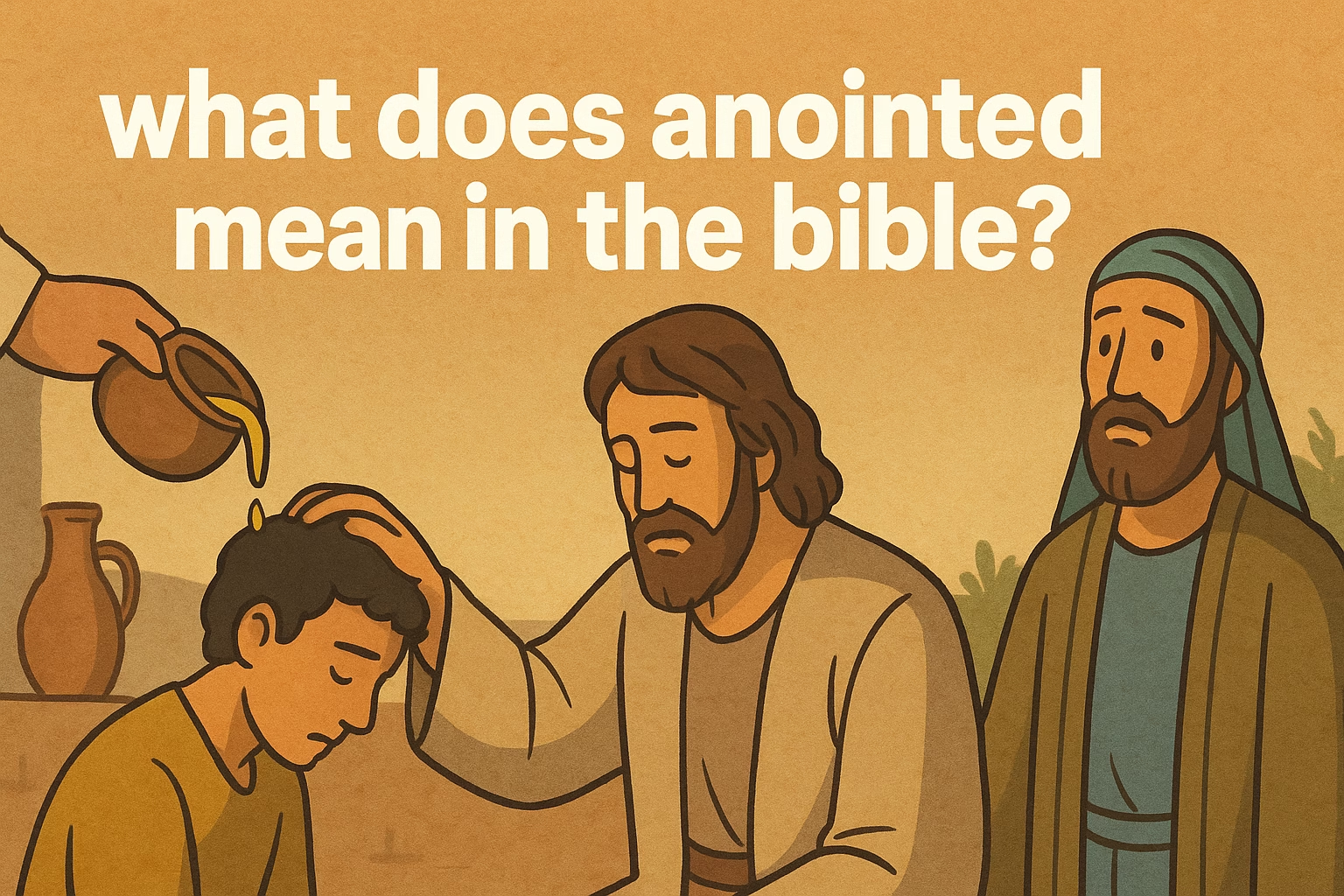
The term “anointed” holds significant meaning within the context of the Bible, reflecting a deep spiritual and ceremonial importance. In various passages, it indicates a special selection by God for a particular purpose, often involving leadership, service, or divine favor. Understanding what it means to be anointed helps believers grasp the weight of this concept in biblical narratives and its implications for their faith today.
In the Bible, “anointed” primarily refers to being chosen or consecrated by God for a specific role or mission. This designation often involves the act of pouring oil on someone, symbolizing the Holy Spirit’s empowerment. Anointing signifies God’s approval and the bestowal of authority to fulfill a divine purpose. Throughout Scripture, we see this practice associated with kings, priests, and prophets, establishing a connection between the anointed individual and God’s will.
The Biblical Roots of Anointing
The practice of anointing can be traced back to ancient customs, where oil was used for various purposes, including medicinal applications and as a sign of hospitality. In a biblical context, however, anointing took on a sacred significance. The first mention of anointing in the Bible appears in Exodus 30:22-33, where God instructs Moses to create a holy anointing oil. This oil was used to consecrate the tabernacle, its furniture, and the priests, setting them apart for God’s service.
Anointing for Leadership
Anointing is most commonly associated with leadership roles, particularly kings. In 1 Samuel 16, we read about God directing the prophet Samuel to anoint David as king over Israel. When Samuel anointed David with oil, it was a sign of God’s choice and empowerment. The passage states, “And the Spirit of the Lord came powerfully upon David from that day on” (1 Samuel 16:13, NLT). This illustrates that anointing signifies not only selection but also the divine presence and strength necessary for leadership.
Anointing in the Context of Priests
Priests in Israel were also anointed to serve in the temple and mediate between God and the people. In Leviticus 8, Aaron and his sons are anointed to serve as the first priests of Israel. This act of anointing emphasizes their consecration and the authority given to them to perform sacred duties. The oil used in these ceremonies symbolized the holiness required for their service, setting them apart from the rest of the community.
Anointing and Prophets
In addition to kings and priests, prophets were also anointed individuals in the biblical narrative. They were chosen by God to deliver messages and guide the people. The prophet Elijah anointed Elisha as his successor in 1 Kings 19:16, signifying the transfer of prophetic authority. This act of anointing highlights the importance of God’s selection in carrying out His plans through specific individuals.
The Messianic Implications of Anointing
The concept of anointing reaches its climax in the New Testament with the coming of Jesus Christ, often referred to as “the Anointed One” or “Messiah.” The term “Messiah” comes from the Hebrew word “mashiach,” meaning “anointed.” In Luke 4:18, Jesus reads from Isaiah 61, proclaiming, “The Spirit of the Lord is upon me, for he has anointed me to bring good news to the poor.” This declaration underscores Jesus’ role as the ultimate fulfillment of anointing, empowering Him to carry out His mission of salvation and healing.
Symbolism of Anointing
Anointing carries rich symbolism beyond its literal application. The oil used in anointing represents the Holy Spirit, indicating divine empowerment and presence. Anointed individuals are seen as vessels through which God’s power flows. This symbolism is evident in the parable of the Good Samaritan, where oil is used to heal the wounded man (Luke 10:34). The oil signifies compassion and the healing touch of God, reflecting the broader implications of anointing in the lives of believers.
Contemporary Understanding of Anointing
In modern Christian practice, the concept of anointing has evolved but remains significant. Many denominations observe anointing with oil as part of healing services or during special occasions, such as ordinations or blessings. This practice serves as a reminder of God’s ongoing work in the lives of believers and the empowerment of the Holy Spirit.
Furthermore, believers often refer to the notion of being “anointed” in a spiritual sense, suggesting that they have been chosen and empowered by God for specific tasks in their lives. This understanding emphasizes that every Christian can experience the anointing of the Holy Spirit, enabling them to live out their faith actively and effectively.
Conclusion of Part One
As we explore the meaning of anointed in the Bible, we see that it encompasses God’s selection, empowerment, and purpose for individuals throughout Scripture. From kings and priests to prophets and ultimately Jesus, anointing signifies a sacred calling and the presence of the Holy Spirit. Understanding this concept allows believers to appreciate the depth of their relationship with God and the significance of being chosen for His work.
Understanding the Anointing in Daily Life
The concept of anointing is not just a historical or ceremonial act; it has practical implications for believers today. Understanding what it means to be anointed can influence how Christians approach their daily lives, relationships, and service within their communities. It encourages them to recognize their inherent value and purpose as individuals chosen by God.
Anointing and Personal Calling
Many Christians believe that every believer has a unique calling or purpose in life. This idea of personal anointing can be understood as a recognition that God has equipped each person with specific gifts and abilities to serve Him and others. Just as prophets, priests, and kings were anointed for specific roles, Christians are encouraged to seek and understand their own divine calling.
In 1 Peter 2:9, believers are identified as “a royal priesthood, a holy nation, God’s special possession,” indicating that all Christians share in a collective anointing. This verse highlights the idea that every believer has access to God’s empowerment, allowing them to fulfill their roles in the church and the world. Reflecting on this can lead to a deeper commitment to using one’s gifts for the glory of God and the benefit of others.
The Role of Community in Anointing
Community plays a pivotal role in recognizing and affirming the anointing of individuals. In many churches, congregations gather to pray over and anoint members, especially during times of illness or significant life changes. This practice serves as a reminder of the collective faith and support within the body of Christ. It creates an environment where individuals feel encouraged and empowered to pursue their God-given purposes.
Moreover, the act of anointing within a community can foster accountability and encouragement. When believers recognize each other’s anointing, they can uplift one another in prayer and service, creating a strong bond that reflects the unity of the Spirit. This communal aspect of anointing emphasizes that while the individual is chosen, they are also part of a larger mission that God is fulfilling through the church.
Anointing and Spiritual Warfare
Another relevant aspect of anointing is its connection to spiritual warfare. The Bible teaches that believers face spiritual battles against forces of evil. Understanding one’s anointing can empower Christians to stand firm in their faith and resist temptation. Ephesians 6:10-18 encourages believers to wear the “full armor of God,” which includes being strengthened by the Spirit to face challenges.
In this context, anointing signifies not only empowerment for service but also divine protection and strength in difficult times. Recognizing that they are anointed can instill confidence in believers, reminding them that they are not alone in their struggles. They can call upon the Holy Spirit for guidance and strength, just as David did when he faced Goliath, relying on God’s anointing for victory.
Questions for Reflection
As believers contemplate the significance of being anointed, it can be helpful to ask themselves a few reflective questions:
- What specific gifts or talents has God given me that I can use to serve others?
- How can I actively seek out and fulfill my calling within my church community?
- In what ways can I rely on the Holy Spirit’s empowerment during challenging times?
- How can I encourage and affirm the anointing of others in my life?
These questions can lead to a deeper understanding of one’s identity in Christ and foster a desire to live out that identity in meaningful ways.
The Anointing and the Future
Looking ahead, the concept of anointing carries eschatological implications as well. The anointing of believers is not just a present reality; it also points to the future promises of God. Revelation 5:10 speaks of believers being made “a kingdom and priests to our God,” indicating that the anointing will play a role in the eternal reign of Christ.
This future hope can inspire believers to live with purpose today, knowing they are part of a larger narrative that God is weaving through history. The anointing signifies a participation in God’s redemptive plan, encouraging Christians to remain steadfast in their faith and commitment to His work until Christ returns.
Conclusion
In summary, the meaning of anointed in the Bible extends far beyond mere ceremony; it encompasses a profound understanding of God’s selection, empowerment, and purpose for His people. From personal calling to communal support, the implications of anointing shape how Christians live out their faith daily. Embracing the anointing not only enriches individual lives but also strengthens the church as a whole. As believers reflect on their anointing, they are reminded of their valuable role in God’s plan and the transformative power of the Holy Spirit in their lives.
To explore more about the significance of anointing in Christian practice, check out this article on anointing in the church and learn how it influences community worship. Additionally, you can read about the gifts of the Holy Spirit, which are often linked to the experience of being anointed.