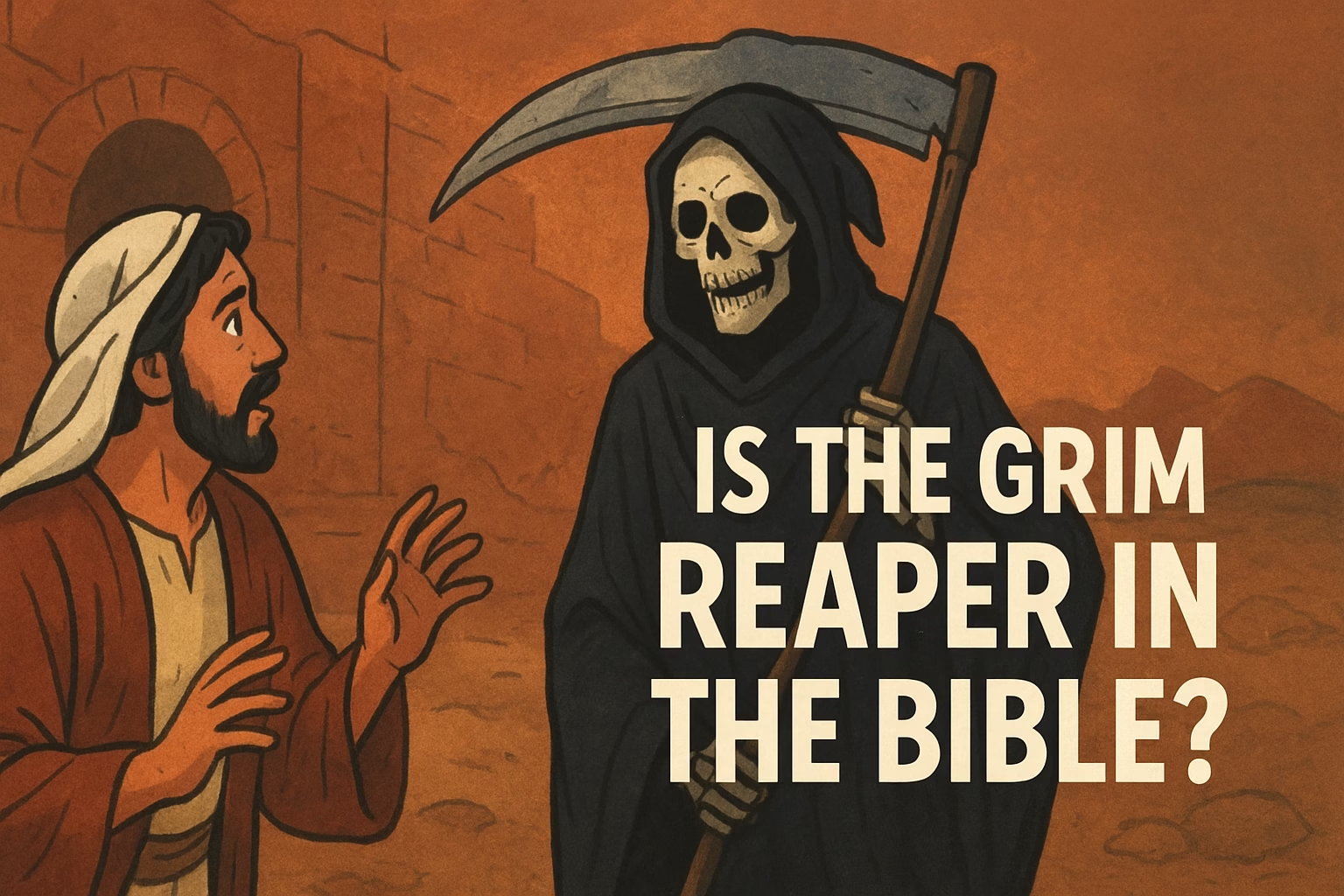
The figure commonly known as the Grim Reaper is a personification of death, often depicted as a cloaked skeletal figure carrying a scythe. This image has become ingrained in popular culture, symbolizing the inevitability of death. However, the question arises: is the Grim Reaper mentioned in the Bible? This article will explore the biblical perspective on death, the nature of the afterlife, and whether the Grim Reaper has any basis in Scripture.
To answer the question directly, the Grim Reaper as a distinct character is not found in the Bible. Instead, the Bible presents various descriptions of death and its role in human life. The concept of a personified death figure like the Grim Reaper is more of a cultural construct than a biblical one.
Understanding Death in the Bible
The Bible addresses the topic of death extensively, but it does not personify death in the way that the Grim Reaper does. Instead, death is often described as a consequence of sin and a part of the human experience. In the early chapters of Genesis, death enters the world as a result of Adam and Eve’s disobedience to God (Genesis 2:17). This establishes a foundational understanding of death in the biblical narrative: it is not an entity but rather a state resulting from a broken relationship with God.
Death as a Consequence of Sin
Romans 6:23 states, “For the wages of sin is death, but the free gift of God is eternal life through Christ Jesus our Lord.” This passage highlights that death is a direct result of sin. The Grim Reaper, as a figure who collects souls, suggests a more active role in death that is not supported by biblical texts. Rather, death is depicted as an inevitable part of life that all humans face due to the fallen nature of the world.
Angels and Death in Scripture
While the Grim Reaper is not a biblical figure, there are instances in Scripture where angels are involved in matters of life and death. For example, in the Book of Revelation, angels are often depicted as carrying out God’s judgments, which may include the death of individuals or nations (Revelation 6:8). However, these angels are not personifications of death but messengers and servants of God carrying out His will.
The Angel of Death in Exodus
One notable example is found in the Book of Exodus, where the “destroyer” is sent to execute judgment during the final plague in Egypt, leading to the death of the firstborn (Exodus 12:23). While some may refer to this being as the “Angel of Death,” it is essential to note that this entity acts under God’s authority rather than being an independent figure like the Grim Reaper.
The Afterlife According to the Bible
The concept of the afterlife is another significant aspect of the biblical narrative. The Bible offers various insights into what happens after death, emphasizing the hope of eternal life for believers. For example, John 3:16 declares, “For this is how God loved the world: He gave his one and only Son, so that everyone who believes in him will not perish but have eternal life.” This promise of eternal life contrasts sharply with the Grim Reaper’s association with fear and despair.
Life After Death in the New Testament
In the New Testament, Jesus speaks about life after death frequently. In John 11:25-26, He tells Martha, “I am the resurrection and the life. Anyone who believes in me will live, even after dying.” This assurance of life beyond death is central to Christian faith and is a stark contrast to the grim imagery associated with the Grim Reaper. Instead of a figure that instills fear, Jesus offers hope and comfort regarding death and what lies beyond.
Death’s Role in Christian Theology
In Christian theology, death is viewed not as an end but as a transition to eternal life for those who believe in Christ. The Apostle Paul writes in 1 Corinthians 15:54-55, “Then, when our dying bodies have been transformed into bodies that will never die, this Scripture will be fulfilled: ‘Death is swallowed up in victory. O death, where is your victory? O death, where is your sting?'” This triumphant perspective on death further distances the biblical understanding from the Grim Reaper’s bleak representation.
Death in the Context of Resurrection
The resurrection of Jesus is a pivotal event in Christianity that reshapes the understanding of death. His victory over death is portrayed as a promise for all believers. This transformative event provides the foundation for the Christian hope of eternal life and underscores that death does not have the final say. In this light, the Grim Reaper’s role as a collector of souls is rendered obsolete by the promise of resurrection and eternal life offered through Christ.
In summary, while the Grim Reaper is a compelling figure in cultural narratives about death, the Bible does not support the existence of such a character. Instead, Scripture presents death as a consequence of sin, a part of the human experience, and ultimately a defeated enemy through the resurrection of Jesus Christ. The biblical narrative emphasizes hope, life, and the promise of eternal fellowship with God rather than the fear commonly associated with the Grim Reaper.
Exploring the Concept of Death in the Old Testament
The Old Testament provides a rich tapestry of insights regarding death, the afterlife, and God’s relationship with humanity. While it does not introduce a Grim Reaper figure, it addresses the inevitability of death and its implications for humanity. Ecclesiastes 3:1-2 states, “For everything there is a season, a time for every activity under heaven. A time to be born and a time to die.” This reflects the cyclical nature of life and the understanding that death is an integral part of God’s created order.
Sheol: The Place of the Dead
In the Old Testament, the concept of Sheol is significant. Sheol is often described as the abode of the dead, a shadowy place where souls reside after death, regardless of their moral standing in life. Psalm 88:3 mentions, “For my soul is full of troubles, and my life draws near to Sheol.” This highlights that Sheol is a reality for all, but it lacks the personal, active character attributed to the Grim Reaper.
Sheol serves as a reminder of mortality but does not instill fear in the same way that the Grim Reaper does in popular culture. Instead, the focus in Old Testament teachings is on living a righteous life and maintaining a relationship with God, which is the true source of hope beyond death.
The Role of Fear in Death and Dying
Much of the imagery surrounding the Grim Reaper is steeped in fear and despair. However, the Bible offers a different perspective. In 1 John 4:18, it is written, “There is no fear in love. But perfect love drives out fear.” This passage emphasizes that fear of death is countered by the love of God. The Christian belief in Christ’s resurrection transforms death from a source of terror into a passage to eternal life.
Hope in the Face of Death
For believers, death is not a grim end but a transition to a renewed existence with God. The Apostle Paul provides comfort in 2 Corinthians 5:1, stating, “For we know that when this earthly tent we live in is taken down, we will have a house in heaven, an eternal body made for us by God himself.” This assurance encourages Christians to face death with hope rather than fear, contrasting sharply with the image of the Grim Reaper.
Theological Implications of Death and Resurrection
The resurrection of Jesus is central to understanding death in Christian theology. It redefines death, not as a finality but as a defeated foe. In Romans 8:38-39, Paul reassures believers that nothing can separate them from God’s love, not even death. This promise reinforces the belief that death is merely a doorway to a deeper relationship with God, rather than an end dictated by a skeletal figure.
The Final Judgment and Eternal Life
The concept of the final judgment also plays a crucial role in the biblical understanding of death. Revelation 20:12 speaks of a great white throne where the dead are judged according to their deeds. This judgment is far removed from the Grim Reaper’s image of indiscriminate soul collection. Instead, it emphasizes accountability and the hope of eternal life for those who have faith in Christ.
In this context, the role of death is not a terrifying figure, but rather a transition point where believers are ushered into God’s presence, making the Grim Reaper an irrelevant symbol in the light of biblical truths.
Meaningful Questions for Reflection
As we consider the absence of the Grim Reaper in the Bible and the rich biblical understanding of death, several reflective questions arise:
- How does understanding death from a biblical perspective change your view of mortality?
- In what ways can the hope of eternal life influence how we live our daily lives?
- How can we share the message of hope in Christ with others who fear death?
- What comfort does the promise of resurrection provide in times of loss and grief?
These questions invite deeper contemplation on the nature of life and death, encouraging believers to embrace the hope and assurance found in Scripture rather than the fear often associated with death in popular culture.
Conclusion: Death in Light of Hope
In conclusion, while the Grim Reaper is a compelling figure in popular culture, the Bible provides a vastly different understanding of death and what lies beyond. Death is portrayed as a consequence of sin, but it is ultimately defeated by the resurrection of Jesus Christ. The biblical narrative emphasizes hope, life, and the promise of eternal fellowship with God. Rather than a figure to be feared, death becomes a transition to a promised eternity for believers. Understanding this truth can help transform our perspective on mortality, enabling us to live with courage and hope.
For further exploration of biblical perspectives on the last days and descriptions of hell, you may find these articles insightful: what the Bible says about the last days and what hell is described as in the Bible.