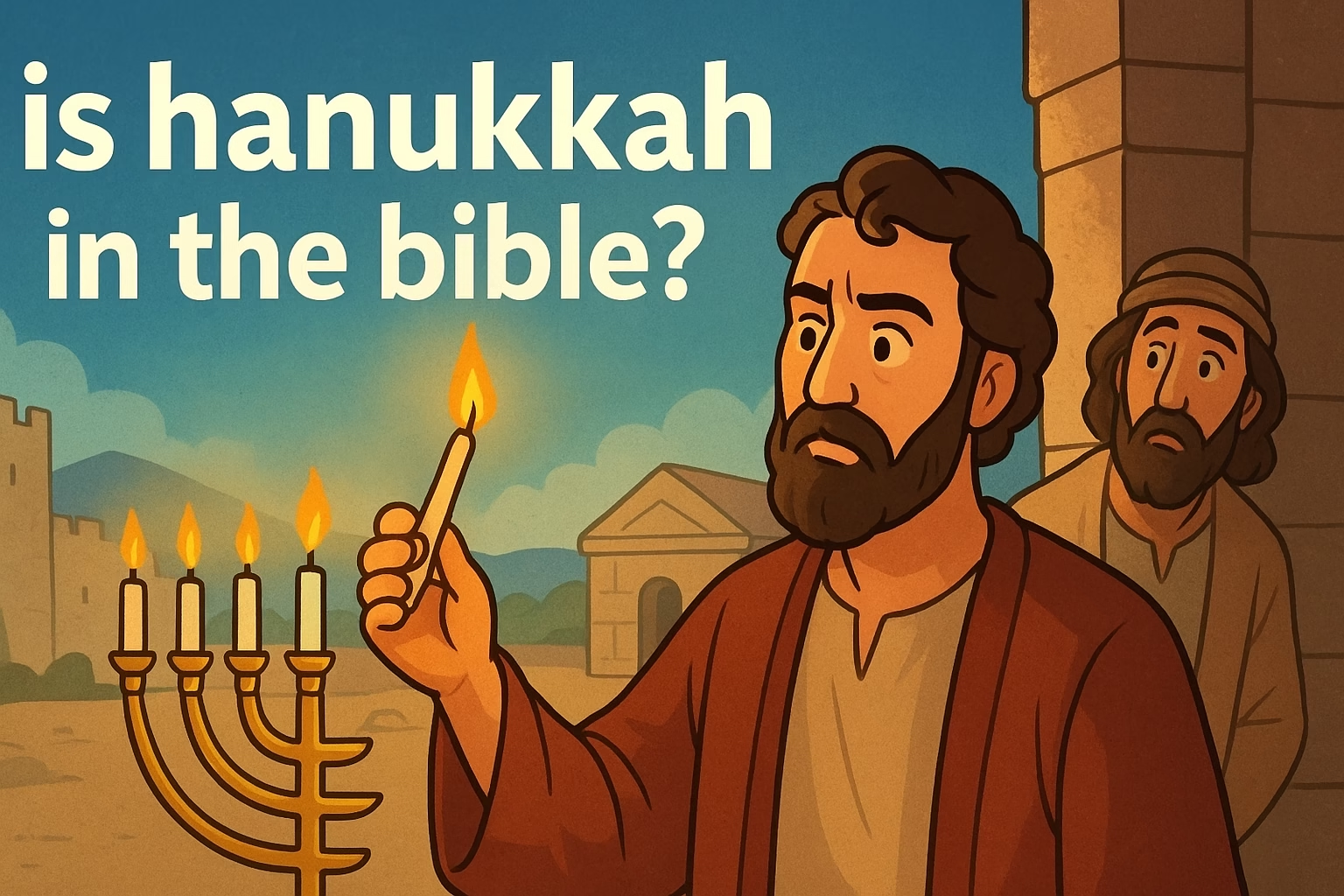
Hanukkah, also known as the Festival of Lights, is a significant Jewish holiday that celebrates the rededication of the Second Temple in Jerusalem during the second century BCE. The question of whether Hanukkah is mentioned in the Bible is intriguing, especially for those who seek to understand its origins and relevance in the context of Scripture.
To answer directly, Hanukkah is not mentioned in the canonical books of the Bible. The events leading to the celebration of Hanukkah are recorded in the books of the Maccabees, which are part of the Apocrypha and not included in the Hebrew Bible or Protestant versions of the Old Testament. However, the significance of the events surrounding Hanukkah can be understood through some biblical themes and historical context.
The Historical Background of Hanukkah
Hanukkah commemorates the Maccabean Revolt against the Seleucid Empire, which occurred in the 2nd century BCE. The Jewish people, led by the Maccabees, fought for their religious freedom against the Hellenistic influences that sought to suppress Jewish traditions. The revolt culminated in the rededication of the Second Temple in 164 BCE, after the Maccabees reclaimed Jerusalem.
The key events of this revolt are described in the First and Second Books of Maccabees. While these texts are not part of the traditional biblical canon, they provide essential insights into the historical and cultural context of the time. They describe the persecution of the Jews, the heroism of the Maccabees, and the miraculous rededication of the temple, which is the central theme of Hanukkah.
Hanukkah and Biblical Themes
Even though Hanukkah is not directly mentioned in the Bible, several themes and principles found in Scripture resonate with the celebration. One prominent theme is the idea of religious freedom and the struggle against oppression. The Maccabees’ fight against the Seleucids reflects the biblical narrative of God’s deliverance of His people from oppression, as seen in the Exodus story.
God’s Deliverance
Throughout the Bible, there are numerous accounts of God delivering His people from their enemies. In the book of Exodus, for example, God frees the Israelites from slavery in Egypt. This theme of deliverance continues through the history of Israel, culminating in the New Testament with the ultimate deliverance through Jesus Christ.
“The Lord is my strength and my song; he has become my salvation.” (Exodus 15:2 NLT)
This verse captures the essence of God’s saving power, a sentiment that resonates with the Jewish people during the Hanukkah celebration as they remember their own deliverance from oppression.
Rededication and Holiness
Another significant aspect of Hanukkah is the rededication of the Temple. After the Maccabees regained control, they purified the temple, which had been desecrated by the Seleucids, and restored the worship of God. This act of rededication is parallel to the biblical teaching of holiness and the importance of maintaining a pure place of worship.
In the Old Testament, God commands His people to keep the temple holy, as seen in Leviticus 10:3: “I will display my holiness among the people of Israel. I am the Lord who makes you holy.” The rededication of the Temple during Hanukkah serves as a reminder of the importance of holiness and the commitment to worship God in spirit and truth.
Tradition and Celebration
Hanukkah is celebrated for eight days, beginning on the 25th of Kislev on the Hebrew calendar. The holiday includes the lighting of the menorah, a special nine-branched candelabrum, with one candle lit each night. This tradition commemorates the miracle of the oil, where a small amount of oil lasted for eight days in the rededicated Temple, even though there was only enough for one day.
While this miracle is not found in the Bible, it has become a central part of Hanukkah tradition. The lighting of the menorah symbolizes the triumph of light over darkness, an important theme that is echoed in biblical scripture. Jesus Himself refers to this theme in John 8:12, saying, “I am the light of the world. Whoever follows me will never walk in darkness, but will have the light of life.”
Conclusion of the First Half
In summary, while Hanukkah is not explicitly mentioned in the Bible, its historical roots and themes align closely with biblical teachings. The celebration of Hanukkah highlights the importance of religious freedom, the rededication of the temple, and the miraculous works of God in the lives of His people. Understanding these connections enriches the appreciation of this holiday and its significance in the Jewish faith, as well as its relevance to Christians who recognize the broader themes of deliverance and light found in Scripture.
The Significance of Hanukkah in Jewish Tradition
In Jewish tradition, Hanukkah is not just a historical commemoration but also a time for family, community, and spiritual reflection. The holiday is filled with various customs that highlight its significance. For instance, the playing of dreidel games and the eating of foods fried in oil, such as latkes and sufganiyot, are traditional practices that celebrate the miracle of the oil and the joy of the season.
Moreover, Hanukkah serves as a reminder of Jewish identity and resilience. It emphasizes the struggle to maintain faith and cultural practices in the face of adversity. This aspect resonates with many biblical narratives where the Jewish people faced oppression yet remained steadfast in their beliefs, such as the stories of Daniel in Babylon and Esther in Persia.
Hanukkah and Its Place in the New Testament
While Hanukkah itself is not mentioned in the New Testament, it is interesting to note that the celebration occurs during the time of Jesus. In John 10:22-23, we see that Jesus was present in Jerusalem during the Feast of Dedication, which is another name for Hanukkah. This connection indicates that the holiday was recognized and observed during His lifetime, reflecting its importance in the Jewish calendar.
In this passage, Jesus walks in the Temple in Solomon’s Colonnade, which serves as a powerful reminder of the Temple’s significance to both Jewish worship and the message of Jesus. The act of walking in the Temple during Hanukkah symbolizes the fulfillment of the Jewish faith and the hope for redemption, themes that Jesus embodies in His ministry.
Spiritual Reflections and Lessons from Hanukkah
Hanukkah provides an opportunity for spiritual reflection and growth. It encourages individuals to consider their own lives in relation to the themes of light, dedication, and perseverance. The menorah, which is lit during the eight nights, serves as a metaphor for the light of God shining in the darkness. This theme is prevalent in both the Old and New Testaments, calling believers to reflect the light of Christ in their own lives.
Additionally, the rededication of the Temple invites believers to contemplate their personal commitment to God. Just as the Maccabees purified the Temple, Christians are reminded to seek holiness in their own lives. The Apostle Paul encourages believers in 1 Corinthians 6:19-20, stating that their bodies are temples of the Holy Spirit, and they are called to honor God with their lives.
Questions for Further Reflection
To deepen understanding of Hanukkah’s significance, consider these questions:
- How does the story of the Maccabees inspire you in your faith journey today?
- In what ways can you reflect the light of Christ in your daily life?
- What does the theme of rededication mean for you personally in your relationship with God?
- How can you support the religious freedom of others in your community?
These questions encourage a personal connection to the themes of Hanukkah, prompting reflection on one’s faith and the broader implications of religious freedom and dedication to God.
Conclusion: The Lasting Legacy of Hanukkah
In conclusion, while Hanukkah is not found in the biblical text, its events and themes resonate deeply within the framework of Scripture. The celebration serves as a powerful reminder of the struggle for faith, the importance of rededicating oneself to God, and the call to be a light in the world. Understanding Hanukkah enriches the appreciation of Jewish traditions and highlights the interconnectedness of faith across both Jewish and Christian perspectives. As believers reflect on the significance of Hanukkah, they can draw inspiration from its lessons and apply them to their spiritual lives.
For those interested in exploring more about the themes of faith and dedication, consider reading about the importance of religious freedom in the context of faith practices and how different traditions celebrate this aspect throughout history. You can find more information in these articles: the significance of religious freedom and traditions of faith across cultures.