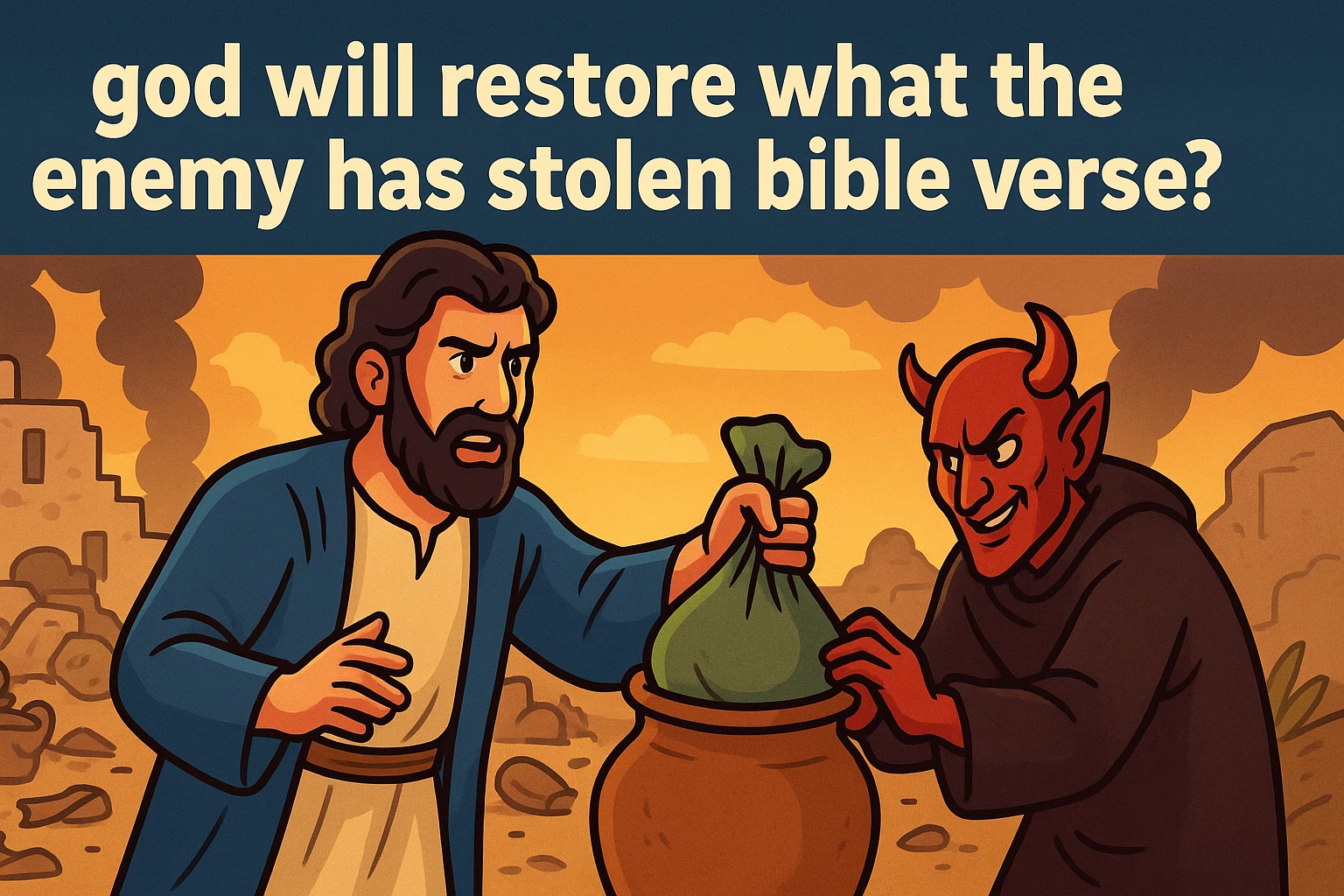
Many believers find comfort in the promise that God will restore what the enemy has stolen. This assurance is rooted in Scripture, where we see God’s faithfulness to His people throughout history. In this article, we will explore various Bible verses that affirm this promise and discuss the context and meaning behind them.
The idea that God will restore what the enemy has stolen can be found in several passages. One of the most notable verses is Joel 2:25, where God declares, “I will restore to you the years that the swarming locust has eaten.” This verse speaks directly to the restoration of the people of Israel after a period of devastation. It underscores the theme that God is a redeemer who can bring back what has been lost, whether it be years, joy, or abundance.
Understanding the Context of Joel 2:25
To fully grasp the significance of Joel 2:25, it is essential to understand the context in which it was written. The Book of Joel addresses a time of crisis for the Israelites, who faced a devastating locust plague that ravaged their land. This disaster was seen not only as a natural calamity but also as a consequence of their disobedience to God.
In response to their plight, God calls His people to repentance. Joel 2:12-13 emphasizes this call: “Even now,” declares the Lord, “return to me with all your heart, with fasting and weeping and mourning. Rend your heart and not your garments.” Here, God’s desire is for His people to turn back to Him, recognizing their need for restoration and healing.
After this call to repentance, God reassures them of His promise to restore. The restoration mentioned in Joel 2:25 is not just about physical abundance but also spiritual renewal. God wants to bring His people back into a right relationship with Him, healing the wounds caused by sin and disobedience.
Other Biblical Examples of Restoration
The theme of restoration is prevalent throughout the Bible. In addition to Joel, we see it in the story of Job. After losing his wealth, health, and family, Job remained faithful to God. In the end, God restored Job’s fortunes and blessed him even more than before (Job 42:10). This narrative highlights that restoration may come after enduring trials and maintaining faith.
Another example is found in John 10:10, where Jesus states, “The thief comes only to steal and kill and destroy. I came that they may have life and have it abundantly.” Here, Jesus contrasts the destructive work of the enemy with the life-giving purpose of His ministry. He promises not only life but an abundant life, which includes restoration and fulfillment.
The Role of Faith in Restoration
Faith plays a crucial role in experiencing God’s restoration. In Mark 11:24, Jesus instructs His followers, saying, “Whatever you ask in prayer, believe that you have received it, and it will be yours.” This verse encourages believers to pray with faith, trusting that God hears and answers prayers. When we believe in God’s ability to restore, we position ourselves to receive His blessings.
In the story of the prodigal son (Luke 15:11-32), we see a powerful example of restoration through faith and repentance. The son squandered his inheritance but, upon hitting rock bottom, decided to return to his father. The father, filled with compassion, ran to greet him and restored him to his place as a son. This parable illustrates that no matter how far we stray, God is always ready to restore us when we turn back to Him.
Praying for Restoration
When seeking restoration, prayer is a vital component. Believers are encouraged to bring their concerns and losses before God. James 5:16 states, “The prayer of a righteous person is powerful and effective.” This verse reminds us that prayer can be a means through which God brings about restoration.
Here are some prayer points to consider when seeking restoration:
- Repentance: Acknowledge any areas where you may have strayed from God.
- Faith: Pray with confidence that God can and will restore what has been lost.
- Specific Requests: Bring specific losses or hurts to God in prayer.
- Gratitude: Thank God for His promises of restoration, even before you see the results.
As you engage in prayer, remember that God’s timing is perfect. Restoration may not happen immediately, but trusting in His plan is essential. Romans 8:28 reminds us that “in all things God works for the good of those who love him.” This verse reassures us that God is actively working in our lives, even during difficult times.
The Nature of God’s Restoration
Understanding what restoration means in a biblical context is essential for grasping God’s promise to restore what the enemy has stolen. Restoration is not merely about returning to a previous state; it often involves transformation and improvement. God’s restoration can lead to greater blessings than what was lost. For instance, in Isaiah 61:7, God promises, “Instead of your shame you will receive a double portion, and instead of disgrace you will rejoice in your inheritance.” This indicates that God’s restoration can be far more generous than what was initially lost.
Moreover, restoration from God often encompasses many areas of life, including emotional, spiritual, and physical aspects. It is a holistic process that aims to heal the entire person. When God restores, He does not just fix the surface issues but addresses the root causes that led to loss or damage, bringing about true healing and wholeness.
God’s Sovereignty in Restoration
Another critical aspect to consider is God’s sovereignty in the process of restoration. In Romans 8:31, we are reminded that “if God is for us, who can be against us?” This verse reinforces the idea that nothing can thwart God’s plans for restoration in our lives. Even when circumstances seem dire, or when the enemy appears to have the upper hand, God remains in control. He can turn situations around and bring about restoration in ways we might not expect.
Understanding God’s sovereignty encourages believers to remain hopeful and steadfast during difficult times. It reassures us that God is aware of our struggles and has the power to intervene. This belief can transform our perspective, allowing us to see challenges as opportunities for growth and restoration rather than insurmountable obstacles.
Community and Restoration
Restoration is not solely an individual journey; it often involves community. Galatians 6:1 advises believers to “restore gently” those who have fallen into sin. This highlights the importance of support and accountability within the Christian community. When someone experiences loss or hardship, the church is called to be a source of encouragement and help. The act of restoring one another fosters a sense of belonging and reflects God’s love in action.
Moreover, community can play a vital role in the prayer for restoration. When believers come together in prayer, it amplifies their faith and can lead to collective restoration. In Matthew 18:20, Jesus promises, “For where two or three gather in my name, there am I with them.” This verse emphasizes that God’s presence is particularly strong when His people unite in prayer, making it a powerful avenue for seeking restoration together.
Trusting the Process of Restoration
Trusting in God’s timing during the restoration process is crucial. Often, believers may feel discouraged if they do not see immediate results. However, it is essential to remember that God’s ways are higher than our ways (Isaiah 55:8-9). The journey towards restoration may involve patience and perseverance, teaching us valuable lessons along the way.
For example, in the story of the Israelites wandering in the desert, their journey was not just about reaching the Promised Land but also about growing in faith and dependence on God. Similarly, our experiences of loss and the subsequent journey towards restoration can deepen our relationship with God, shaping us into more resilient individuals. This process can lead to a stronger testimony of God’s faithfulness and love.
Follow-up Questions for Reflection
As you consider the promise of restoration in your life, here are some follow-up questions to reflect on:
- What areas of your life do you feel have been stolen or lost?
- How can you actively seek God’s restoration in those areas?
- What role does faith play in your expectation of God’s restoration?
- How can you support others in your community who are seeking restoration?
- Are there specific prayers you feel led to bring before God regarding restoration?
Taking time to reflect on these questions can help you better understand God’s desire for restoration in your life and encourage you to take practical steps towards healing and renewal.
Conclusion: Embracing God’s Promise of Restoration
In conclusion, the promise that God will restore what the enemy has stolen is a profound truth woven throughout Scripture. Whether through personal experiences, community support, or deepening our faith, God invites us to trust in His ability to bring about restoration in our lives. Embracing this promise requires us to engage in prayer, seek repentance, and remain hopeful, knowing that God can turn our losses into testimonies of His goodness and faithfulness.
As we navigate life’s challenges, let us hold firmly to the assurance that God is a God of restoration, and He is always working for our good.
To learn more about the biblical context of restoration, you can explore what Jubilee means in the Bible and how it relates to restoration, or delve into what the Bible says about stealing to understand the implications of loss and recovery.