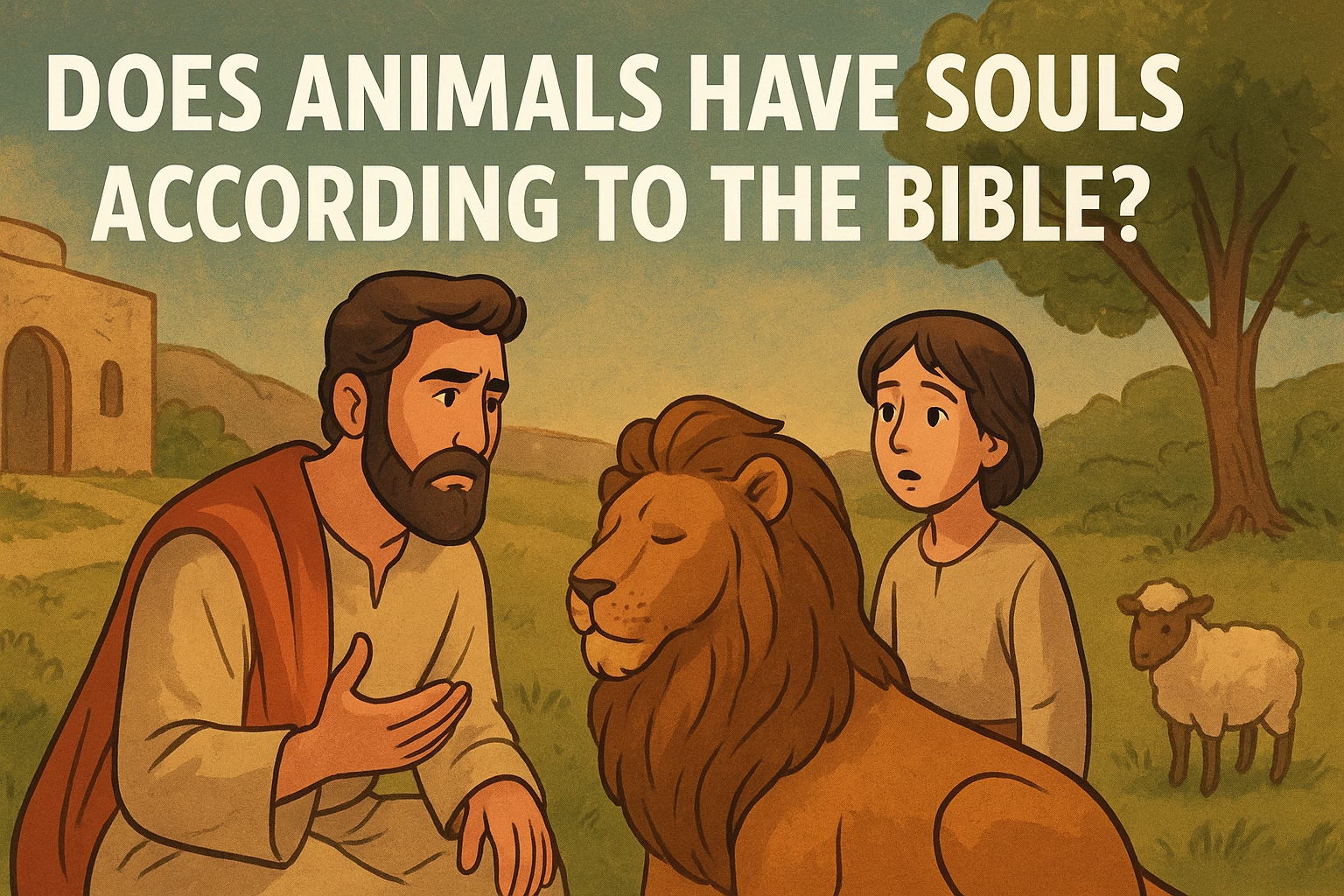
The question of whether animals have souls according to the Bible is a topic that stirs much debate among theologians, scholars, and believers alike. Many people wonder if the Scriptures provide a clear answer regarding the spiritual status of animals and their relationship to God. This article will explore relevant biblical texts and concepts to shed light on this intriguing question.
To answer the question directly: the Bible does not explicitly state that animals possess souls in the same way humans do. However, several passages suggest that animals are valued by God and possess a life force that could be interpreted as a form of soul. The understanding of what a “soul” entails is key to this discussion.
Understanding the Concept of the Soul in the Bible
Defining the Soul
The word “soul” in the Bible is translated from several Hebrew and Greek terms, primarily “nephesh” in the Old Testament and “psyche” in the New Testament. In many contexts, these terms refer to the essence of life or living beings. For instance, Genesis 2:7 describes how God breathed life into Adam, making him a “living soul.” This indicates that the soul is closely tied to the breath of life and the essence of being.
Human Souls vs. Animal Souls
Humans are uniquely created in the image of God, as stated in Genesis 1:26-27. This distinction implies a different spiritual status for humans compared to animals. While animals are indeed living beings and are often described as having “nephesh” (as seen in Genesis 1:20-21), the Scriptures do not indicate that they share the same eternal soul that humans possess. The Bible emphasizes the unique relationship between God and humanity, underscoring the spiritual responsibilities and moral agency humans have.
Biblical References to Animals and Their Value
God’s Care for Animals
Despite the distinction between humans and animals, the Bible portrays God as caring for all His creation. In Matthew 10:29, Jesus mentions that not a single sparrow falls to the ground without the Father’s knowledge, emphasizing God’s concern for even the smallest creatures. This suggests that animals have inherent value in God’s eyes, regardless of their spiritual status.
The Life Force of Animals
In Ecclesiastes 3:19-21, the author reflects on the fate of both humans and animals, stating that “the same event happens to all.” Both humans and animals share the breath of life, which is a significant aspect of their existence. This passage raises questions about the afterlife of animals, as it suggests that they return to dust like humans. However, it does not clarify whether animals have a soul that continues beyond this life.
Animals in the New Creation
Animals in the Kingdom of God
Another aspect to consider is the role of animals in the future Kingdom of God. Isaiah 11:6-9 presents a vision of peace where “the wolf will live with the lamb” and “the lion will eat straw like the ox.” This imagery points to a harmonious existence between humans and animals, suggesting that animals will have a place in God’s future creation. While this does not directly address the question of whether animals have souls, it implies that they hold significance in God’s redemptive plan.
Jesus and Animals
Throughout the Gospels, Jesus interacts with animals in various ways, demonstrating their importance in His ministry. In Mark 1:13, we see Jesus being ministered to by angels while in the wilderness, and wild animals were present. This presence highlights the connection between Jesus and the broader creation. Additionally, in the parable of the lost sheep (Luke 15:4-7), Jesus illustrates God’s love for every living being, including animals, underscoring their value in His eyes.
Theological Interpretations and Views
Views on Animal Souls
Various theological perspectives exist regarding the idea of animal souls. Some theologians argue that animals do possess a form of soul, albeit different from that of humans. They point to the emotional and social behaviors observed in many animals, suggesting that these traits indicate a level of sentience and spiritual existence.
Traditional Christian Views
Traditionally, many Christian denominations hold that animals do not have immortal souls like humans. They emphasize the unique creation of humanity in God’s image and the accompanying spiritual responsibilities. This perspective often leads to the conclusion that animals are part of God’s creation but do not possess the same eternal destiny as humans.
Conclusion of Part One
As we can see, the Bible offers some insights into the nature of animals and their relationship with God. While it does not provide a definitive answer regarding whether animals have souls, it does highlight their value and significance within creation. The next section will delve deeper into how different Christian traditions interpret these biblical teachings and what implications they hold for the treatment of animals in our daily lives.
Exploring the Afterlife and Animal Souls
The Afterlife for Animals
The question of what happens to animals after death is a poignant one for many believers. While the Bible does not explicitly address the afterlife of animals, several passages invite contemplation. For instance, Romans 8:19-22 speaks of creation itself eagerly awaiting redemption, suggesting a future restoration that includes all of God’s creation. This raises the possibility that animals may experience a form of existence beyond this life, though the specifics remain unclear.
Theological Speculations
Some theologians speculate that God’s redemptive work through Jesus extends to all creation, including animals. This idea aligns with the belief that God’s love encompasses all beings, prompting questions about the nature of heaven and whether animals will be present. While interpretations vary, the hope for a future where animals exist in harmony with humans resonates with many believers, offering comfort in the face of loss.
The Ethical Implications of Animal Souls
Compassion and Stewardship
The question of whether animals have souls influences how Christians view their responsibility toward them. If animals are seen as having a form of soul or inherent value, this can lead to a more compassionate approach to animal care and welfare. Many Christians advocate for stewardship, emphasizing that humans are called to care for creation, which includes treating animals with respect and kindness.
Modern Christian Perspectives
In recent years, there has been a growing movement within Christianity that challenges traditional views on animal souls. Some contemporary theologians argue for a more inclusive interpretation of God’s creation, suggesting that animals should be recognized as sentient beings deserving of love and care. This perspective encourages believers to reflect on their relationship with animals and consider the ethical implications of their treatment.
Animals in Scripture: Symbolism and Lessons
Animals as Symbols in the Bible
The Bible frequently uses animals as symbols to convey spiritual truths. For example, sheep represent God’s people, and lions symbolize strength and majesty. These representations underscore the significance of animals in conveying God’s messages. Understanding this symbolism can deepen our appreciation for the role animals play in the biblical narrative and in our own lives.
Lessons from Animals
Throughout Scripture, animals are often depicted as examples of faithfulness, humility, and trust. For instance, Jesus refers to Himself as the Good Shepherd, which evokes the image of a caring shepherd guiding his sheep. This metaphor not only highlights the relationship between God and His people but also points to the importance of animals in illustrating spiritual truths. Reflecting on these lessons can inspire believers to cultivate similar virtues in their own lives.
Questions for Reflection
Personal and Community Reflection
As we consider the question of whether animals have souls, it is essential to engage in personal and communal reflection. Here are some questions to ponder:
- How do my beliefs about animal souls influence my treatment of animals in my daily life?
- In what ways can my community promote a greater understanding of God’s creation and the role of animals within it?
- What can I learn from the behaviors and characteristics of animals that can enhance my spiritual journey?
Engaging with Scripture
Exploring biblical passages that speak to the nature of animals can offer further insights. Consider reading Genesis 1-2, where God creates animals and declares them good, and meditate on the implications of this goodness. Reflecting on these texts can foster a deeper understanding of the divine relationship with all living creatures.
Conclusion
The question of whether animals have souls according to the Bible remains complex and multifaceted. While the Scriptures do not provide a definitive answer, they highlight the intrinsic value of animals and their place within God’s creation. As believers, we are called to reflect on our responsibilities toward animals and to treat them with compassion and care. This exploration invites us to consider not only the spiritual implications of animal existence but also the ethical and relational aspects of our interactions with all of God’s creatures.
For more insights on the relationship between humans and creation, you can read about the importance of stewardship in Christian teachings on creation care and explore perspectives on animal welfare in Christian ethics and animals.