
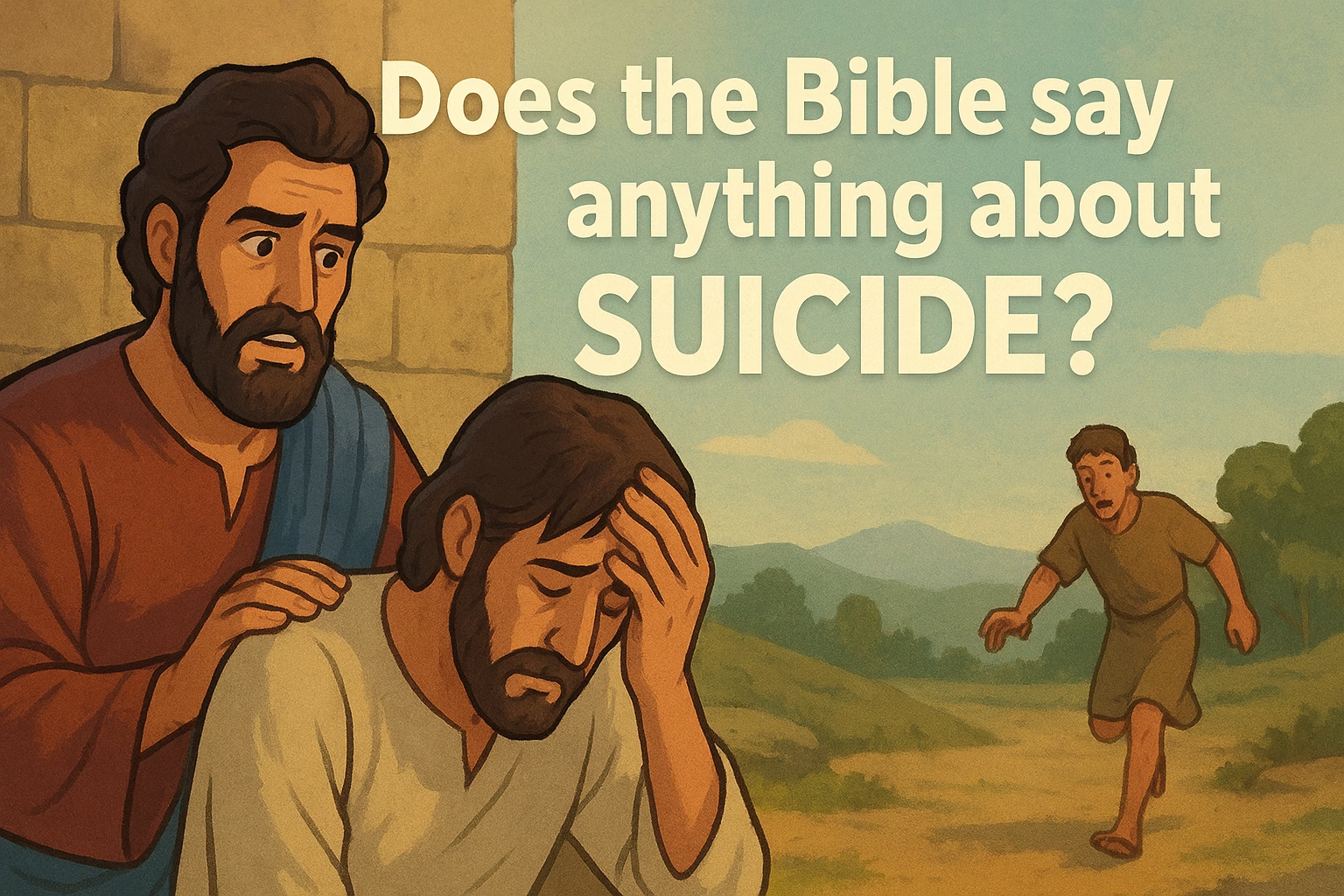
Suicide is a deeply sensitive and complex topic that many people struggle to understand, especially from a spiritual perspective. For those seeking guidance from the Bible, it is essential to explore what Scripture says, how it addresses despair and hopelessness, and how it portrays the value of life. This article delves into relevant biblical passages and teachings to provide insight into the question of whether the Bible speaks on the issue of suicide.
While the Bible does not explicitly mention the word “suicide,” it does contain narratives and verses that address the act and its implications. The Scriptures provide insight into the nature of life, the value of each person, and the emotional struggles that can lead to such tragic decisions. In this exploration, we will look at various biblical figures who faced despair, the teachings of Jesus, and the overarching message of hope and redemption in the Bible.
Biblical Narratives of Despair
King Saul
One of the most notable examples of suicide in the Bible is the story of King Saul. In 1 Samuel 31, after a devastating battle with the Philistines, Saul found himself critically wounded and surrounded by enemies. In his despair, he chose to take his own life by falling on his sword. This act was not presented as a noble choice; rather, it was a tragic end to a life that had strayed far from God. Saul’s story illustrates the consequences of turning away from divine guidance and the despair that can result from a life filled with fear and regret.
Ahithophel
Another example can be found in 2 Samuel 17. Ahithophel, a counselor of King David, betrayed David and sided with Absalom. When Absalom did not follow Ahithophel’s advice, he realized his influence was lost. Overwhelmed by despair and shame, Ahithophel went home, set his affairs in order, and hanged himself. These narratives do not glorify suicide but instead highlight the emotional turmoil and devastation that can lead individuals to such a choice.
Jesus’ Teachings on Life and Hope
Throughout the New Testament, Jesus emphasizes the value of life and the importance of hope. In John 10:10, Jesus states, “I have come that they may have life and have it to the full.” This teaching underscores that life is a gift from God, meant to be lived abundantly. Jesus also offers comfort to those who are struggling. In Matthew 11:28-30, He invites those who are weary and burdened to come to Him for rest, suggesting that there is a refuge and support available in times of distress.
The Value of Life in Scripture
The Bible consistently affirms the sanctity and value of human life. In Genesis 1:27, it is stated that humans are created in the image of God, which bestows inherent worth upon every individual. This foundational truth implies that life is precious, and taking one’s own life is a serious matter that contradicts the divine intention for humanity. The Psalms also reflect this understanding, expressing the belief that God knows us intimately and values our existence (Psalm 139:13-16).
God’s Compassion for the Hurting
It is crucial to recognize that the Bible also portrays God as compassionate and understanding towards those who are suffering. In Psalm 34:18, it says, “The Lord is close to the brokenhearted and saves those who are crushed in spirit.” This verse reflects God’s deep concern for those who feel overwhelmed by their circumstances. Rather than condemning, the Scriptures encourage those in despair to turn to God for comfort and healing.
Scriptural Encouragement Against Despair
The Bible offers numerous verses that encourage individuals to seek hope and strength during difficult times. Philippians 4:6-7 encourages believers not to be anxious but to present their requests to God, promising that the peace of God will guard their hearts and minds. Similarly, Romans 15:13 speaks of the God of hope, who fills us with joy and peace as we trust in Him. These verses serve as reminders that, even in moments of deep despair, there is hope to be found in faith.
Community and Support
Moreover, the Bible emphasizes the importance of community and support in times of distress. Galatians 6:2 encourages believers to “carry each other’s burdens,” highlighting the need for companionship and understanding. In moments of crisis, reaching out to friends, family, or church communities can provide vital support and help alleviate feelings of isolation and hopelessness.
Understanding Mental Health Through a Biblical Lens
While the Bible does not directly address modern concepts of mental health, it does acknowledge human emotions and struggles. Many biblical figures experienced profound distress, including Moses, Elijah, and David. Their stories reflect the reality of mental anguish and the importance of seeking help and solace. It is essential to approach the topic of suicide with compassion, understanding, and a recognition of the complexities surrounding mental health issues.
The Role of Forgiveness and Redemption
One of the most profound messages of the Bible is that of forgiveness and redemption. Regardless of the circumstances surrounding a person’s life or choices, the message of grace is central to the Christian faith. In Romans 5:20, Paul writes, “But where sin increased, grace increased all the more.” This assurance emphasizes that no matter the depth of despair or the gravity of decisions made in moments of pain, God’s grace is always available for those who seek it.
For individuals grappling with thoughts of suicide, it is crucial to understand that God’s love is unconditional. The story of the Prodigal Son in Luke 15 illustrates this beautifully. The son, who squandered his inheritance and found himself in dire circumstances, was welcomed back by his father with open arms. This parable serves as a reminder that no one is beyond the reach of God’s forgiveness, no matter how far they feel they have strayed.
God’s Presence in Suffering
The Bible does not shy away from the reality of suffering. In fact, it acknowledges it as part of the human experience. In 2 Corinthians 1:3-4, Paul writes about God as the “Father of compassion and the God of all comfort, who comforts us in all our troubles.” This passage highlights that God is with us in our suffering, offering comfort and solace. Understanding this can be a beacon of hope for someone in despair, reminding them that they are not alone in their struggles.
Moreover, the book of Job exemplifies enduring faith amidst overwhelming suffering. Job endured immense loss and pain but ultimately found restoration and hope. His story encourages believers to cling to faith even when life feels unbearable, reinforcing the importance of seeking God during times of distress.
Questions to Consider
As one reflects on the biblical perspective on suicide, it is essential to consider several questions:
- What does it mean to value life from a biblical standpoint? Understanding the sanctity of life can lead to a deeper appreciation for the struggles we face and the support we can offer to others.
- How can we foster a more supportive community? Engaging with others in meaningful ways can help combat feelings of isolation and despair.
- What steps can we take to address mental health within a faith context? It is crucial to recognize and accept that seeking help is not a sign of weakness but a step toward healing.
- How do we approach loved ones who may be struggling? Showing compassion, listening without judgment, and offering support can make a significant difference in someone’s life.
Hope and Healing in Scripture
While the Bible addresses the reality of despair and the tragic outcomes that can result, it also offers hope and healing. Isaiah 41:10 reassures us, saying, “So do not fear, for I am with you; do not be dismayed, for I am your God. I will strengthen you and help you; I will uphold you with my righteous right hand.” This promise of divine support serves as a reminder that God is present in our struggles and desires to uplift us in our darkest moments.
Additionally, the practice of prayer and meditation on Scripture can be powerful tools for those experiencing emotional pain. Engaging with God through prayer can provide peace and clarity, allowing individuals to navigate their feelings and find solace in His presence. The Psalms, filled with cries of anguish and expressions of hope, can be particularly comforting during times of distress.
Conclusion: The Importance of Seeking Help
In conclusion, while the Bible does not explicitly discuss suicide, it addresses the underlying emotions and struggles that can lead to such tragic decisions. The Scriptures consistently affirm the value of life and God’s compassion for those who are hurting. It is crucial for individuals to seek help and support when facing despair, whether through prayer, community, or professional assistance. The message of the Bible is one of hope, healing, and the promise that God is always there for those in need. Life, despite its challenges, is a precious gift, and there is always a path toward restoration and peace.
Bible Verses for Suicide and Bible Verses about Grief provide additional insights and encouragement for those struggling with these issues.