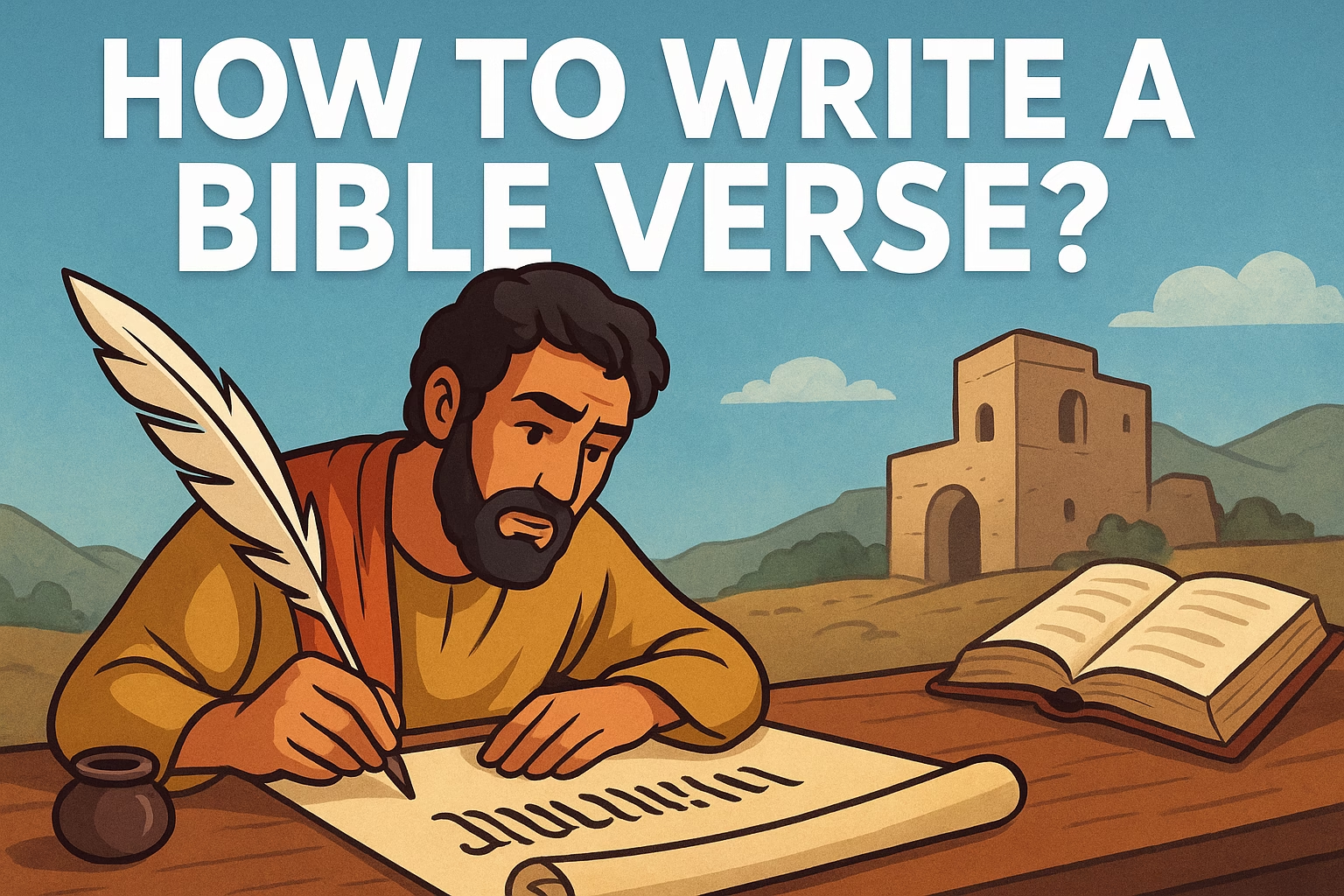
Writing a Bible verse involves understanding the structure, meaning, and context of the Scriptures. Whether you are looking to express a thought, share inspiration, or create a personal reflection, it is important to approach this task with reverence and clarity. This article will guide you through the process of writing a Bible verse, helping you to craft meaningful and impactful messages based on biblical principles.
To write a Bible verse effectively, consider the themes of scripture, the audience you are addressing, and the purpose behind your writing. A good understanding of biblical context will enrich your writing and ensure that it resonates with readers. Here are some key sections to consider when writing your own Bible verse.
Understanding the Purpose of a Bible Verse
Every Bible verse serves a purpose, whether it is to encourage, teach, admonish, or inspire. It is crucial to identify the intention behind the verse you wish to write. For instance, many verses in the Bible aim to:
- Offer Comfort: Verses like Psalm 23 remind us of God’s presence and care during challenging times.
- Provide Guidance: Proverbs is filled with wisdom to help navigate life’s choices.
- Encourage Faith: Verses in the New Testament, such as Philippians 4:13, inspire believers to trust in God’s strength.
Reflect on what you want to convey. Are you encouraging someone going through a tough time? Or are you sharing a message about faith and trust in God? Having a clear purpose will help focus your writing.
Choosing a Theme or Topic
Once you have defined the purpose, select a theme or topic for your verse. The Bible covers a wide range of subjects, including love, hope, forgiveness, and redemption. Here are some common themes to consider:
- Love: Scriptures like 1 Corinthians 13 explore the nature of love.
- Faith: Hebrews 11 discusses the importance of faith in the life of a believer.
- Hope: Romans 15:13 speaks about the God of hope filling us with joy and peace.
Choosing a specific theme will guide your writing and help you stay focused. It can also aid in selecting relevant scripture references that align with your theme.
Researching Relevant Scripture
To write a Bible verse, it is essential to ground your message in Scripture. Look for verses that relate to your chosen theme. For example, if you are focusing on love, you might refer to passages such as John 3:16, which speaks of God’s love for the world, or 1 John 4:19, which tells us that we love because He first loved us.
When researching, consider the following:
- Context: Understand the historical and cultural context of the verses you reference. This can provide deeper meaning and insight.
- Translation: Use a translation that resonates with you and your audience. The New Living Translation (NLT) is often appreciated for its clarity.
- Cross-References: Look for cross-references to find related verses that can enhance your message.
For example, if your theme is hope, you might start with Jeremiah 29:11, which expresses God’s plans for a hopeful future, and then connect it to Romans 8:28, which assures us that God works for the good of those who love Him.
Crafting Your Verse
With your purpose, theme, and relevant scripture in mind, you can begin to craft your own verse. Here are some steps to help you write effectively:
1. Start with a Strong Opening
Begin with a powerful statement that captures the essence of your message. This could be a direct quote from Scripture or a paraphrase that encapsulates the theme. For example, if you are writing about love, you might start with, “Love is patient and kind…” (1 Corinthians 13:4, paraphrased).
2. Incorporate Biblical Language
Use language that reflects the tone and style of the Bible. This can include phrases like “The Lord says” or “In His presence,” which can evoke a sense of reverence and authority.
3. Personalize Your Message
Make the verse relatable by adding a personal touch. You can include words like “you” or “we” to engage the reader directly. For example, “In times of trouble, remember that you are never alone; the Lord is with you.”
4. Keep It Concise
A good Bible verse is often brief yet profound. Aim to convey your message in a few lines, allowing the reader to ponder its meaning without excessive complexity.
5. Edit and Refine
Once you have written your verse, take time to review and refine it. Ensure clarity, coherence, and that it aligns with the intended biblical message. Consider sharing it with others for feedback.
Writing a Bible verse is an opportunity to express faith and share inspiration. By understanding the purpose, choosing a theme, researching scripture, and crafting your message thoughtfully, you can create a verse that resonates deeply with others. In the next section, we will explore how to share your written verse and the importance of context in its application.
Understanding Biblical Context
When writing a Bible verse, grasping the context in which the original scriptures were written is essential. This includes considering the historical, cultural, and literary background of the passage. Each verse is part of a larger narrative or teaching, and understanding this can greatly enhance your writing.
For example, the context of the Old Testament often reflects the covenant relationship between God and Israel, while the New Testament frequently addresses the teachings of Jesus and the early church. Recognizing the audience and circumstances that influenced the original text can provide insights into its meaning and application today.
Additionally, consider the literary genre of the scripture. Is it poetry, narrative, prophecy, or epistle? Each genre employs different techniques and styles, which can guide your own writing. For instance, writing in a poetic style may lead you to use metaphor and imagery, while a narrative approach might focus on storytelling elements.
Follow-Up Questions to Enhance Reflection
Once you have written your verse, consider asking yourself and your audience some reflective questions. This practice can deepen the understanding and application of the message. Here are some meaningful follow-up questions to ponder:
- What does this verse reveal about God’s character? Understanding the attributes of God can help frame your writing and deepen the reader’s relationship with Him.
- How can this verse be applied in daily life? Encouraging practical application can help individuals integrate biblical truths into their routines.
- What personal experiences resonate with this message? Sharing testimonies can illustrate the verse’s relevance and inspire others.
- In what ways does this verse challenge me spiritually? Encouraging self-examination can lead to growth and transformation.
These questions can serve as a discussion guide in group settings or personal reflections, allowing for a richer engagement with the scripture.
Sharing Your Bible Verse
Once you have crafted your Bible verse, consider how you will share it with others. This can be done through various platforms, such as social media, blogs, or church bulletins. Each medium may require a different approach in delivery.
When sharing, be mindful of your audience. Tailor your message to resonate with the specific group you are addressing. For example, a youth group might appreciate a more relatable and contemporary language, while a church congregation might prefer traditional expressions. Remember to accompany your verse with a brief explanation or reflection to provide context and encourage deeper engagement.
Encouraging Community Engagement
Writing a Bible verse can also be a communal activity. Consider inviting friends or family to join you in writing verses around a particular theme. This can foster discussion and create a supportive environment for exploring faith together. Sharing insights and feedback can enrich everyone’s understanding and appreciation of scripture.
Additionally, you might consider organizing a Bible verse writing challenge within your community or church. Participants can share their creations and discuss the inspiration behind them, creating a sense of unity and shared purpose.
The Importance of Prayer in Your Writing
Throughout the writing process, prayer can be a vital component. Seek God’s guidance to ensure your writing reflects His truth and love. Pray for clarity and inspiration, asking the Holy Spirit to lead your thoughts and words. This spiritual practice not only enriches your writing but also fosters a deeper connection to the scripture.
As you write and share your verse, invite others to pray for you as well. This collective prayer can create a powerful atmosphere of support and encouragement, reminding everyone involved of the divine nature of scripture and its impact on our lives.
Final Thoughts
Writing a Bible verse is a meaningful endeavor that allows you to express your faith and share God’s Word with others. By understanding the purpose, choosing a relevant theme, researching scripture, and crafting your message thoughtfully, you can create verses that resonate deeply. Embrace the opportunity to reflect on the context of the scriptures, engage with your community, and invite prayer into your writing process.
As you continue this journey, remember that each verse you write is a chance to inspire, encourage, and uplift others in their faith. Take the time to explore the rich depths of Scripture, and let your heart be open to the ways God may use your words for His glory.
For further insights on reading Bible verses and citing them correctly, check out these articles: how to read Bible verses and how to cite the Bible in MLA.