The story of Solomon, the son of King David, is one of the most intriguing narratives in the Bible. Solomon is often celebrated for his wisdom, wealth, and building projects, particularly the magnificent temple in Jerusalem. However, his life also serves as a cautionary tale about the dangers of straying from faith and the consequences of poor choices. In this article, we will explore the key events and lessons from Solomon’s life, examining both his achievements and his failures.
Solomon became king after the death of his father, David, and he initially ruled with great wisdom and success. However, as time went on, his decisions led to significant spiritual and political consequences. The Bible details Solomon’s rise, his accomplishments, and ultimately, his downfall.
Solomon’s Rise to Power
Solomon ascended to the throne of Israel around 970 BC. His reign is marked by peace and prosperity, largely due to his father’s military victories. The Bible introduces Solomon as a young king who, when given the chance to ask God for anything, requested wisdom. In 1 Kings 3:5-14, God appears to Solomon in a dream at Gibeon and offers him anything he desires. Solomon chooses wisdom to govern his people effectively, which pleases God. As a result, God grants him unparalleled wisdom, along with riches and honor.
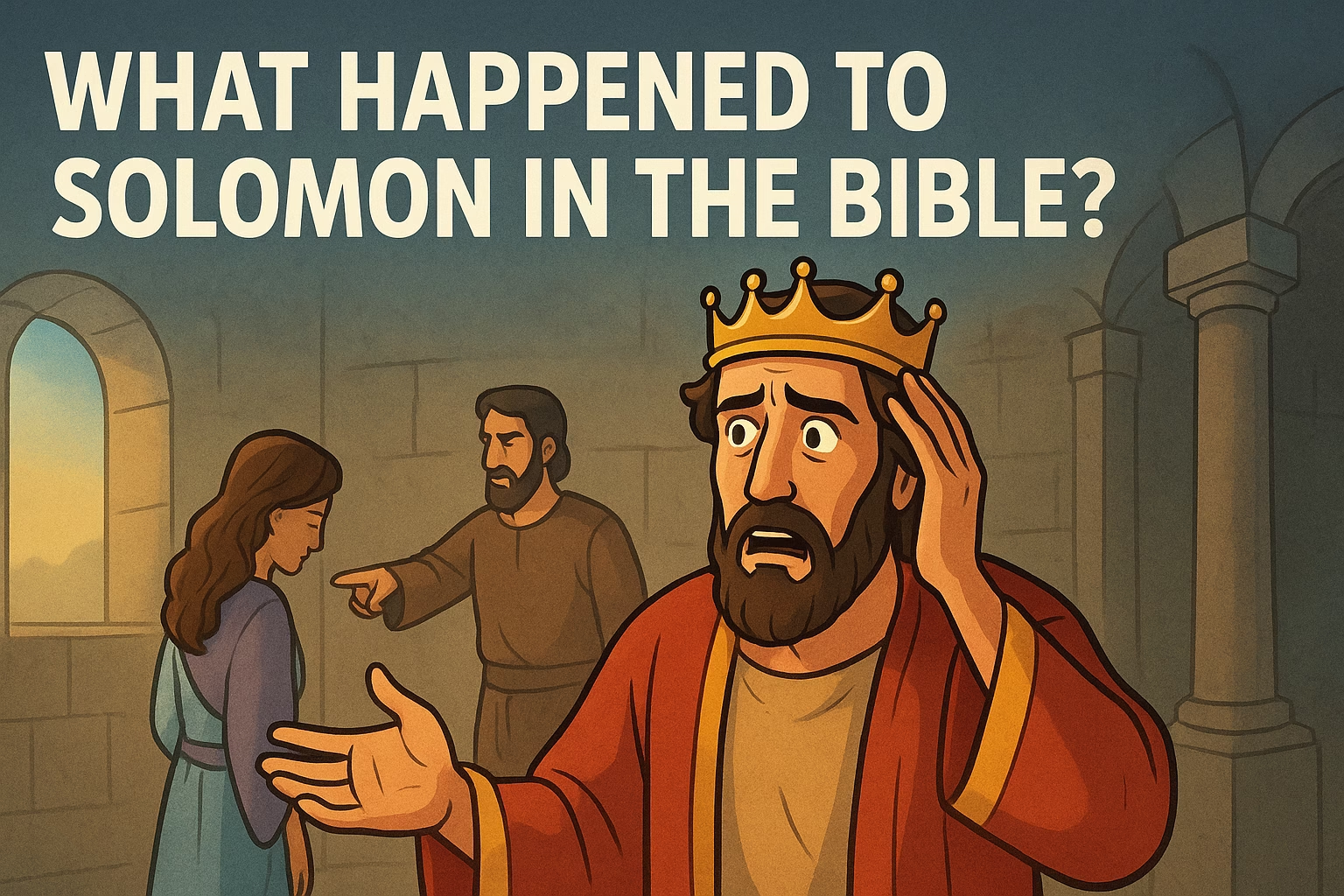
Solomon’s wisdom is famously illustrated in the story of two women claiming to be the mother of a baby. Solomon suggests cutting the baby in half to determine the true mother, who immediately offers to give up her claim to save the child (1 Kings 3:16-28). This judgment showcases his wisdom and earns him a reputation throughout the land.
Building the Temple
One of Solomon’s most significant achievements was the construction of the Temple in Jerusalem, which became the center of worship for the Israelites. The project is detailed in 1 Kings 6-7. Solomon began building the temple in the fourth year of his reign and completed it in seven years. The temple was constructed with the finest materials and intricate designs, symbolizing God’s presence among His people.
In 1 Kings 8, Solomon dedicates the temple with a grand ceremony, praying for God’s presence and blessing upon the people of Israel. This event highlights Solomon’s deep devotion to God and his desire to establish a permanent place for worship. The completion of the temple marked a high point in Solomon’s reign, unifying the nation and reinforcing their identity as God’s chosen people.
Wealth and Prosperity
During Solomon’s reign, Israel flourished economically. His wealth was legendary, with 1 Kings 10:14-29 providing accounts of his riches, including gold, silver, and luxurious imports. Solomon established trade alliances and built a strong economy, which allowed him to fund numerous building projects and maintain a lavish court.
His wealth attracted visitors from far and wide, including the Queen of Sheba, who came to test his wisdom with difficult questions. The account in 1 Kings 10:1-13 illustrates not only Solomon’s wisdom but also the international reputation he garnered. The Queen left impressed by his wealth and the prosperity of his kingdom, acknowledging that it was indeed the work of the Lord.
The Influence of Foreign Wives
Despite Solomon’s many accomplishments, his later years were marked by a troubling decline. One of the most significant factors contributing to his downfall was his relationships with foreign wives. Solomon, in pursuit of alliances and political stability, married many foreign women, including those from nations that worshipped other gods (1 Kings 11:1-3). This was contrary to God’s command for Israel not to intermarry with foreign nations due to the risk of turning away from Him.
As a result, Solomon’s foreign wives influenced him to build high places for their gods, leading him to worship idols (1 Kings 11:4-8). This shift away from exclusive worship of the one true God angered the Lord, and it marked a turning point in Solomon’s reign. God appeared to Solomon a second time, warning him that because of these actions, the kingdom would be torn from him and given to his servant (1 Kings 11:9-13).
The Consequences of Disobedience
Solomon’s disobedience had far-reaching consequences for himself and the nation of Israel. After his death, the kingdom was divided into two: the northern kingdom of Israel and the southern kingdom of Judah. This division was a direct result of the unfaithfulness of Solomon and the turning away from God that began during his reign. The Bible records that his son Rehoboam, who succeeded him, faced a divided kingdom and significant challenges (1 Kings 12).
Moreover, Solomon’s decline serves as a reminder of the importance of remaining faithful to God. Despite his great wisdom, wealth, and accomplishments, his failure to heed God’s commands led to his spiritual downfall and the eventual fracturing of the kingdom he had built. The lessons from Solomon’s life are relevant for believers today, emphasizing the need for constant vigilance in faith and obedience.
The Legacy of Solomon
Solomon’s legacy is complex, marked by both remarkable achievements and grave failures. He is often viewed as a symbol of wisdom, yet his story serves as a cautionary tale about the consequences of turning away from God. The Bible presents Solomon not only as a wise ruler but also as a man whose life choices had lasting implications for future generations.
After Solomon’s death, the division of the kingdom highlighted the fragility of his accomplishments. His wisdom, which had once brought peace and prosperity, did not shield his successors from the repercussions of his unfaithfulness. The split between the northern kingdom of Israel and the southern kingdom of Judah is a direct reflection of the spiritual and political instability that emerged during his reign. This division ultimately led to the downfall of both kingdoms, with Israel falling to the Assyrians and Judah later being conquered by the Babylonians.
The Book of Ecclesiastes
Another significant aspect of Solomon’s legacy is the Book of Ecclesiastes, traditionally attributed to him. In this book, Solomon reflects on the meaning of life and the futility of human endeavors when disconnected from God. The theme of vanity permeates the text, as Solomon examines the pursuits of wealth, pleasure, and wisdom, concluding that they are ultimately meaningless without a relationship with God. This introspective work provides insight into Solomon’s later life, suggesting that he wrestled with the consequences of his choices and the fleeting nature of earthly success.
Ecclesiastes 12:13-14 encapsulates his findings, urging readers to fear God and keep His commandments. This message stands in stark contrast to the earlier years of Solomon’s reign, where his wisdom and prosperity seemed to overshadow the need for a humble and faithful heart.
God’s Judgment and Mercy
The narrative of Solomon also showcases God’s judgment and mercy. Despite Solomon’s failings, God remained faithful to His promises. The warning given to Solomon about the consequences of his idolatry reflects God’s justice. However, the preservation of a remnant through Solomon’s lineage illustrates God’s mercy. The line of David, which includes Solomon, ultimately leads to Jesus Christ, the Messiah, fulfilling God’s covenant with David to establish an eternal kingdom.
This aspect of Solomon’s story emphasizes the theme of redemption. Even when leaders falter, God has a plan for restoration. The New Testament underscores this, revealing that God can bring good out of failure and use imperfect people to fulfill His purposes. Solomon’s life encourages believers to seek repentance and forgiveness, knowing that God can work through our shortcomings.
Questions for Reflection
The life of Solomon invites several meaningful questions for personal reflection:
- What lessons can we learn from Solomon’s wisdom and his eventual disobedience?
- How can we ensure that our pursuits in life do not overshadow our commitment to God?
- In what ways can we remain vigilant against influences that may lead us away from our faith?
- How does the story of Solomon inform our understanding of God’s grace and mercy in our lives?
- What role does humility play in our relationship with God, as demonstrated in Solomon’s life?
These questions can serve as a starting point for deeper contemplation and discussion within faith communities, helping believers to draw lessons from Solomon’s experiences and apply them to their lives today.
Conclusion: A Cautionary Tale
In conclusion, Solomon’s life encapsulates the duality of human experience—the heights of wisdom and success, juxtaposed with the depths of failure and disobedience. His story serves as a vivid reminder that wisdom and wealth are not substitutes for a genuine relationship with God. As believers, we are called to learn from Solomon’s journey, embracing the wisdom he sought while remaining vigilant against the distractions that can lead us astray.
Ultimately, Solomon’s life encourages us to pursue a heart aligned with God’s will, recognizing that true fulfillment comes not from our achievements but from our faithfulness to Him. Solomon’s legacy is a testament to the importance of maintaining our spiritual integrity, reminding us that even the wisest can falter if they stray from God’s path.
For further reading on the consequences of leadership and faith, you may explore what happened to King Nebuchadnezzar and King Herod, both of whom faced significant challenges and consequences in their reigns.