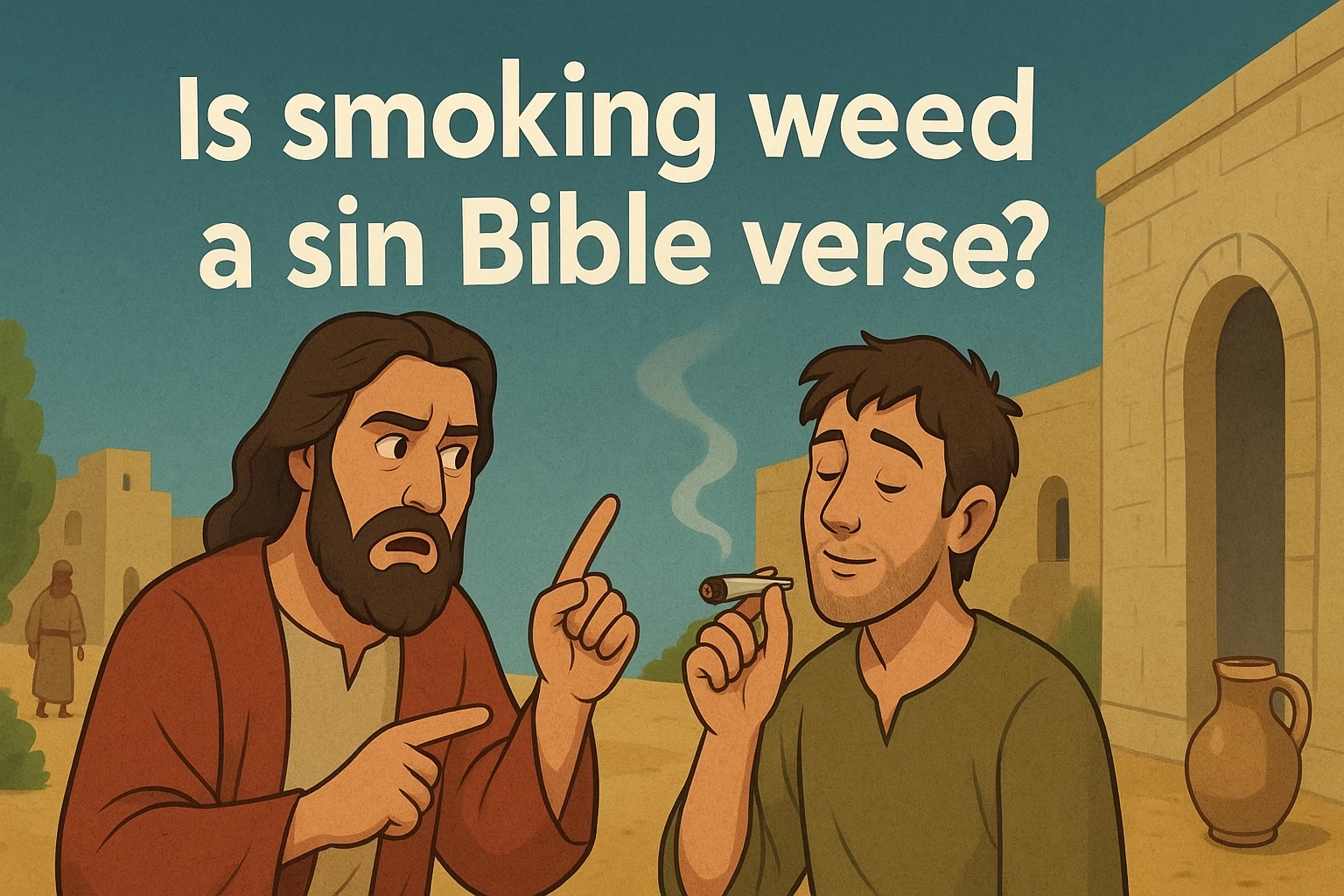
As discussions around cannabis use become more common, many people are asking whether smoking weed is considered a sin according to the Bible. This question is particularly relevant as societal attitudes toward marijuana continue to shift. Understanding the Bible’s perspective requires examining Scripture, context, and the principles of Christian living.
To directly address the question: the Bible does not explicitly mention marijuana or smoking weed as a sin. However, several biblical principles can guide our understanding and decision-making regarding this issue.
Understanding Biblical Principles
1. The Principle of Sobriety
One key principle found in the Bible is the call to sobriety and self-control. In 1 Peter 5:8, it states, “Stay alert! Watch out for your great enemy, the devil. He prowls around like a roaring lion, looking for someone to devour.” This verse emphasizes the importance of being alert and aware of our surroundings. Many Christians interpret this to mean that any substance that impairs judgment or leads to a loss of self-control could be considered problematic.
2. The Body as a Temple
Another important biblical concept is found in 1 Corinthians 6:19-20, where Paul writes, “Don’t you realize that your body is the temple of the Holy Spirit, who lives in you and was given to you by God? You do not belong to yourself, for God bought you with a high price.” This passage encourages believers to honor their bodies and make choices that reflect respect for the life God has given them. Some argue that smoking weed could be detrimental to one’s health and well-being, thus violating this principle.
3. The Need for Wisdom and Discernment
Proverbs 2:6 tells us, “For the Lord gives wisdom; from his mouth come knowledge and understanding.” This verse highlights the importance of seeking wisdom when making choices. Christians are encouraged to evaluate the effects of any substance, including marijuana, on their lives. Is it bringing them closer to God, or is it causing distractions and negative consequences? The answer may vary for each individual.
Contextual Considerations
1. Cultural and Historical Context
When interpreting Scripture, understanding the cultural and historical context is essential. The Bible was written in a time and culture vastly different from our own. While the Scriptures do not mention marijuana specifically, they do address the use of alcohol and other intoxicants. Ephesians 5:18 warns against getting drunk, stating, “Don’t be drunk with wine, because that will ruin your life. Instead, be filled with the Holy Spirit.” This principle can be applied to any substance that alters one’s state of mind, including marijuana.
2. Legal and Ethical Considerations
In Romans 13:1, Paul instructs believers to submit to governing authorities, as they are established by God. In many places, marijuana use is still illegal. Therefore, using it could be seen as an act of disobedience to the law. Christians are called to be law-abiding citizens unless those laws directly contradict God’s commands. This aspect adds an additional layer to the discussion of whether smoking weed is a sin.
Personal Convictions and Community Guidance
1. The Role of Personal Conviction
In Romans 14, Paul discusses the importance of personal conviction in matters of faith. He emphasizes that each individual should be fully convinced in their own mind about what is right and wrong. This means that for some Christians, using marijuana may not be a sin, while for others, it could be a significant moral issue. It’s essential to seek God’s guidance through prayer and reflection when making personal decisions about substance use.
2. Seeking Counsel from the Community
Proverbs 15:22 states, “Plans go wrong for lack of advice; many advisers bring success.” Engaging with a community of believers can provide valuable insights and perspectives on the issue. Discussing the topic with trusted friends, pastors, or mentors can help clarify one’s thoughts and feelings about smoking weed. It is vital to approach these conversations with an open heart and a willingness to listen.
Conclusion of This Section
While the Bible does not specifically label smoking weed as a sin, it provides several principles that can guide believers in making informed decisions. By considering sobriety, the sanctity of the body, wisdom, legal implications, personal convictions, and community input, Christians can navigate this complex issue. Ultimately, the decision to use marijuana should be made thoughtfully and prayerfully, ensuring that it aligns with one’s faith and relationship with God.
Exploring the Effects of Marijuana Use
1. Physical and Mental Health Implications
Understanding the potential effects of marijuana on physical and mental health is crucial for evaluating its use from a biblical perspective. The Bible encourages believers to prioritize their health and well-being, as seen in passages like 3 John 1:2, which expresses a desire for health and prosperity. Studies show that marijuana can have both short-term effects, such as impaired memory and coordination, and long-term effects, including potential dependency. Christians are called to consider how these consequences align with the biblical principle of honoring one’s body as the temple of the Holy Spirit.
2. The Impact on Relationships
Another aspect to consider is how smoking weed can affect relationships with family, friends, and the church community. Ephesians 4:29 encourages believers to speak in ways that build others up and avoid harmful language. If marijuana use leads to behaviors that strain or damage relationships, it could be seen as inconsistent with Christian values. Evaluating how one’s habits impact their interactions with others is an essential part of making a responsible decision regarding substance use.
Social and Ethical Considerations
1. The Influence of Social Norms
As societal attitudes toward marijuana continue to evolve, Christians must navigate the changing landscape thoughtfully. Romans 12:2 advises believers not to conform to the patterns of this world but to be transformed by the renewing of their minds. This principle can guide individuals in assessing whether their choices reflect societal pressures or genuine convictions. Engaging in discussions about the morality of marijuana use can help clarify personal beliefs and values in light of Scripture.
2. Addressing Addiction and Dependence
The Bible speaks against addiction, as seen in 1 Corinthians 6:12, where Paul states, “I have the right to do anything,” but not everything is beneficial. This serves as a reminder that while one may have the freedom to use substances, they should consider whether those choices lead to harmful dependencies. Evaluating whether marijuana use has become a form of escape or a habit that disrupts one’s spiritual life is essential for a holistic understanding of its implications.
Spiritual Considerations
1. Seeking God’s Will
In every decision, Christians are encouraged to seek God’s will. James 1:5 reminds believers that if they lack wisdom, they should ask God, who gives generously to all without finding fault. This principle applies to the question of marijuana use as well. Engaging in prayer and seeking God’s guidance can provide clarity and direction. It is essential to approach this topic with a heart open to God’s leading, whether one feels called to abstain or partake.
2. The Role of the Holy Spirit
The leading of the Holy Spirit is another critical aspect for believers to consider. Galatians 5:22-23 describes the fruit of the Spirit, emphasizing traits such as self-control and peace. If smoking weed disrupts the fruit of the Spirit in one’s life, it may be worth reconsidering. Believers should assess whether their actions align with the transformative work of the Holy Spirit within them, ultimately leading to a more profound relationship with God.
Final Reflections on Marijuana Use
As Christians ponder the question of whether smoking weed is a sin, it is important to weigh the biblical principles of sobriety, health, and community alongside personal convictions and societal influences. The absence of direct biblical references to marijuana does not exempt it from scrutiny; instead, it invites believers to engage thoughtfully with the Scriptures and their implications for modern life.
Ultimately, the decision regarding marijuana use should be approached with prayer, reflection, and a desire to honor God in all aspects of life. By considering the effects on oneself and others, and seeking wisdom through Scripture and community counsel, individuals can arrive at a decision that aligns with their faith and values.
In conclusion, the question of whether smoking weed is a sin may not have a straightforward answer. However, through careful consideration of biblical principles and personal circumstances, believers can navigate this complex issue with integrity and faith.
For further exploration of biblical principles surrounding substance use and morality, you may find these articles helpful: is smoking weed against the Bible and what does the Bible say about sodomy.