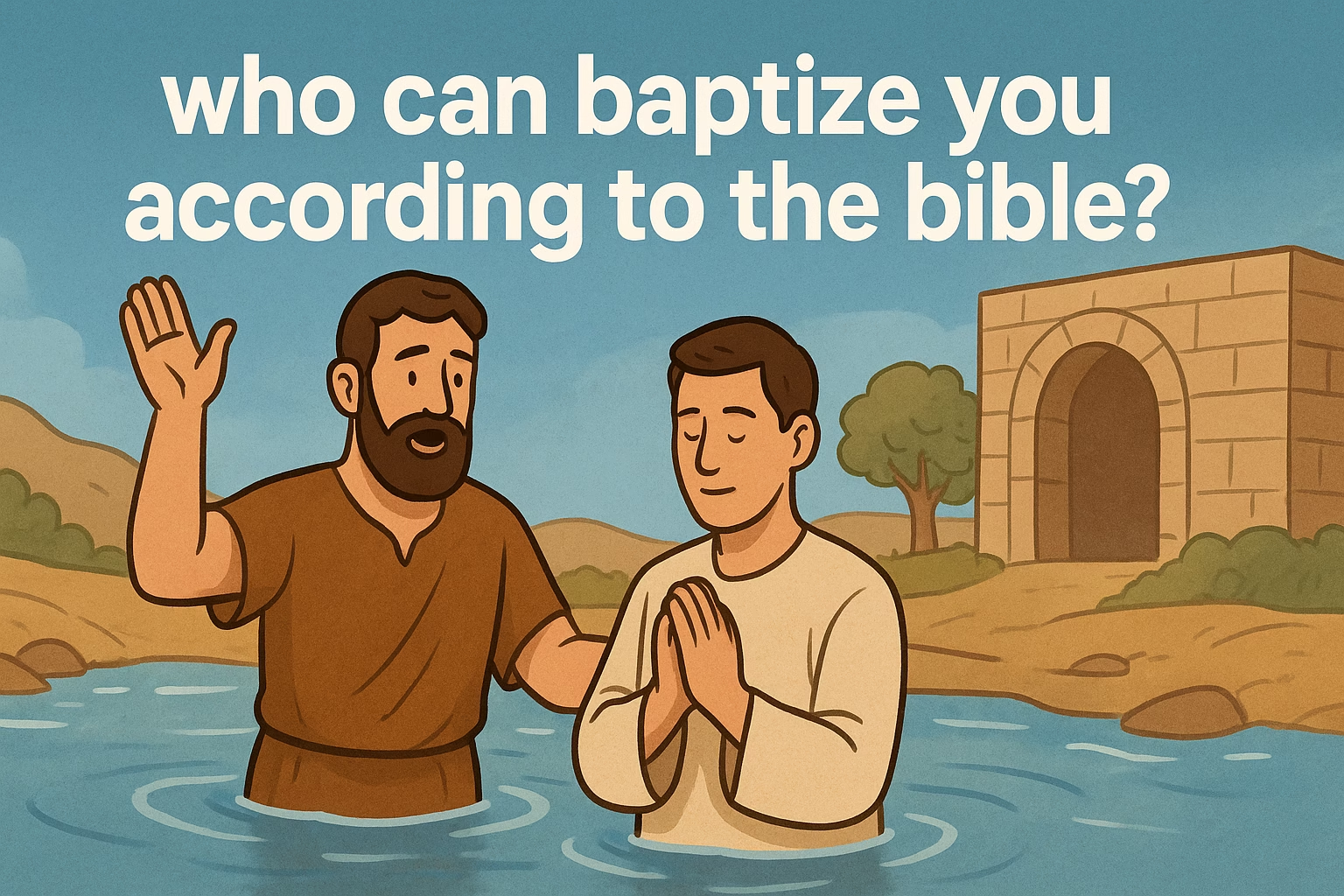
Baptism is a significant practice in Christianity, symbolizing a believer’s faith and commitment to Jesus Christ. It serves as an outward sign of an inward transformation and is often seen as a rite of passage into the Christian community. However, many people wonder who has the authority to perform this sacred act of baptism. In this article, we will explore the biblical perspective on who can baptize and the scriptural basis for these beliefs.
According to the Bible, baptism is primarily associated with the ministry of Jesus and his followers. While many traditions have developed around the practice, the Scriptures provide a clear framework for understanding who can baptize. Let’s delve into the key biblical passages and principles that help answer this question.
Jesus’ Commission to His Disciples
One of the most significant passages regarding baptism is found in Matthew 28:19-20, commonly known as the Great Commission. Here, Jesus instructs his disciples, saying, “Go therefore and make disciples of all nations, baptizing them in the name of the Father and of the Son and of the Holy Spirit.” This directive highlights that Jesus entrusted his followers with the authority to baptize as part of their mission to spread the Gospel.
The Great Commission emphasizes the importance of making disciples, which includes baptizing them. This suggests that anyone who is actively engaged in the work of sharing the Gospel and making disciples has the authority to baptize. However, this does not imply that just anyone can perform baptisms; it is typically understood that those who are ordained or recognized as leaders within the church are the ones who fulfill this role.
The Role of Church Leaders
In the early church, leaders such as apostles, elders, and deacons played a crucial role in administering baptisms. Acts 2:41 describes how, after Peter preached on the day of Pentecost, “those who accepted his message were baptized, and about three thousand were added to their number that day.” Here, Peter, an apostle and leader of the early church, performed baptisms, indicating that church leaders were actively involved in this practice.
As the church grew, the role of church leaders in baptizing became more formalized. In 1 Timothy 3:1-7 and Titus 1:5-9, Paul outlines the qualifications for church leaders, emphasizing their spiritual maturity and ability to teach. These qualities suggest that those who baptize should be spiritually equipped to guide new believers in their faith journey.
The Example of Philip
Another notable example is found in Acts 8:12-13, where Philip, a deacon, preached the Gospel in Samaria and baptized new believers. This passage illustrates that individuals who are not part of the original twelve apostles can also perform baptisms, provided they are faithful followers of Christ. Philip’s example shows that God can use anyone who is committed to spreading the Gospel to baptize others.
The Importance of Intent and Authority
While the Scriptures indicate that church leaders and faithful believers have the authority to baptize, the intent behind the baptism is also crucial. Baptism should reflect the individual’s genuine faith in Jesus Christ and a desire to follow him. In Romans 6:3-4, Paul explains that baptism symbolizes the believer’s identification with Christ’s death and resurrection. This highlights the importance of the individual’s belief and commitment rather than merely the act itself.
Furthermore, the authority to baptize comes from the church’s recognition of the individual’s role in the community of faith. In many Christian traditions, those who perform baptisms are usually ordained ministers or leaders who have been established within the church. This practice helps maintain the integrity of the sacrament and ensures that those being baptized are guided by knowledgeable and spiritually mature individuals.
Different Christian Traditions
It’s important to note that various Christian denominations interpret the authority to baptize differently. For instance, some denominations allow any believer to baptize, especially in emergency situations, while others maintain a more formal structure requiring ordained ministers. In many traditions, the emphasis is placed on the community and the church’s role in baptism.
In some cases, particularly in non-denominational or evangelical circles, laypeople may also baptize others, especially in settings where they are leading someone to faith. The key is that the act of baptism should always point back to the individual’s faith in Christ and the community’s support.
Conclusions from Scripture
In summary, the Bible provides a clear framework for understanding who can baptize. The Great Commission indicates that Jesus entrusted his disciples with the authority to baptize. Church leaders, as well as faithful believers like Philip, demonstrate that the act is not limited to a specific group but is open to those who are committed to the mission of spreading the Gospel. Intent and authority play crucial roles in the practice of baptism, emphasizing the importance of faith and the community of believers.
As we continue exploring this topic, we will further examine the implications of baptism, the different practices across denominations, and how these beliefs shape the understanding of this important sacrament in the Christian faith.
The Spiritual Significance of Baptism
Baptism is not merely a ritual; it holds profound spiritual significance in the life of a believer. It represents a public declaration of faith, an act of obedience to Christ’s command, and a means of entering into the community of believers. The act symbolizes the believer’s identification with Christ’s death, burial, and resurrection. In Colossians 2:12, Paul writes that believers are “buried with him in baptism” and “raised with him through faith in the working of God.” This connection emphasizes the transformative power of baptism in a believer’s life.
The spiritual aspect of baptism also highlights the importance of the community in which it takes place. When a believer is baptized, they are not only making a personal commitment to Christ but also publicly affirming their connection to the body of Christ. This communal aspect underscores the importance of accountability, support, and growth within the Christian faith.
The Role of the Holy Spirit
The Holy Spirit plays a vital role in baptism, signifying the believer’s new life in Christ. In Acts 2:38, Peter tells the people to “repent and be baptized, every one of you, in the name of Jesus Christ for the forgiveness of your sins. And you will receive the gift of the Holy Spirit.” This passage illustrates that baptism is closely linked to the work of the Holy Spirit in an individual’s life, affirming that the act is not solely a human endeavor but a divine one.
The presence of the Holy Spirit during baptism signifies God’s acceptance and the believer’s new identity. It is important for those performing the baptism to recognize the significance of this spiritual transformation, ensuring that their intent aligns with the work of the Holy Spirit in the lives of those being baptized.
Emergency Baptism and Lay Baptism
In situations where a person is unable to access a church leader or ordained minister, there are instances in which laypeople can perform baptisms. This practice is often observed in emergencies, such as when someone is on their deathbed or in a life-threatening situation. The emphasis here is on the urgency of the individual’s need for salvation and the faith they possess, rather than the title of the person performing the baptism.
While some denominations strictly adhere to the practice of requiring ordained ministers to perform baptisms, others allow for this flexibility based on the circumstances. The key takeaway is that baptism should always be rooted in a sincere faith and should reflect a commitment to Christ, regardless of who administers the sacrament.
Theological Differences Among Denominations
As previously mentioned, different Christian denominations hold varying views regarding who can baptize. For example, many Catholic and Orthodox traditions maintain that only priests or bishops can perform baptisms, as they are seen as the spiritual authority within the church. In contrast, many Protestant denominations encourage the practice of baptism by any believer, emphasizing the priesthood of all believers as described in 1 Peter 2:9.
These theological differences often stem from varying interpretations of Scripture and the nature of the church. Some traditions emphasize the sacramental aspect of baptism, while others view it primarily as an act of obedience and public testimony. Understanding these differences can help foster greater respect and appreciation for the diverse expressions of faith within the Christian community.
Follow-Up Questions for Reflection
As you contemplate the significance of baptism and who can perform it, consider the following questions:
- What does baptism mean to you personally, and how does it reflect your faith journey?
- How does your church community support new believers in their baptism and spiritual growth?
- In what ways can you participate in the mission of sharing the Gospel and potentially baptizing others?
- How do the different traditions regarding baptism influence your understanding of the sacrament?
These questions can lead to deeper reflection on the role of baptism in your life and the lives of those around you, encouraging meaningful conversations about faith and community.
Conclusion: The Authority and Heart of Baptism
In conclusion, the authority to baptize, as seen in the Scriptures, is rooted in the Great Commission and the role of church leaders and faithful believers. However, it is essential to recognize that the act of baptism is not merely about the individual performing it but rather the faith and intent behind the act. Baptism serves as a powerful symbol of a believer’s commitment to Christ and their entry into the community of faith. As such, it is crucial for those who baptize to approach the sacrament with reverence, understanding its spiritual significance and the transformative work of the Holy Spirit. Through this understanding, we can appreciate the diverse practices surrounding baptism while maintaining the core truth of its meaning in the Christian faith.
For further exploration of baptism’s meaning and its connection to salvation, you can read about what the Bible says about baptism and learn more about what the Bible says about salvation.