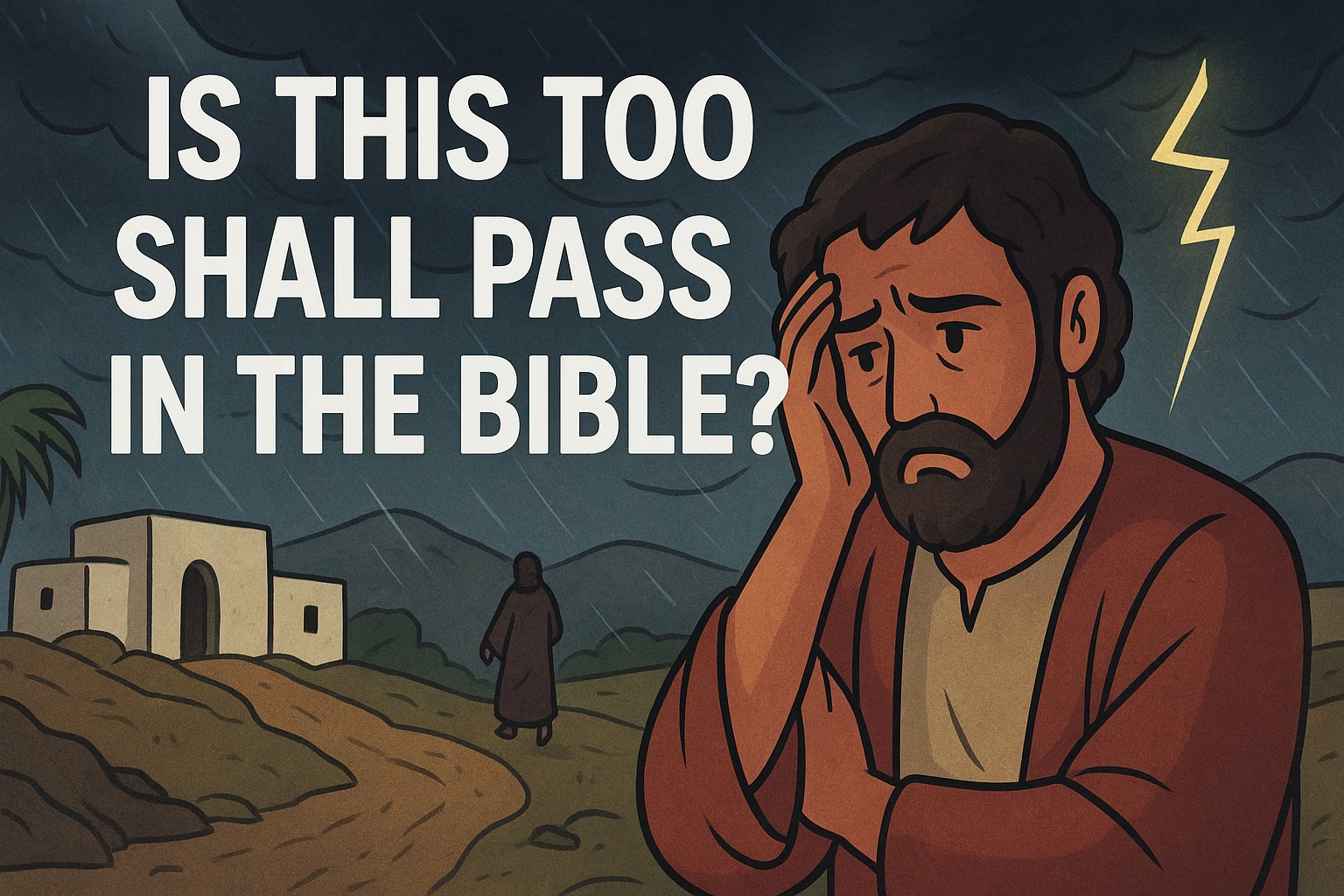
Many people find comfort in the phrase “this too shall pass,” especially during challenging times. It suggests that no matter how difficult a situation may be, it is temporary and will eventually change. This phrase is often attributed to various sources, but does it have a direct basis in the Bible? In this article, we will explore the concept of temporary suffering and divine promise within Scripture to see how it aligns with the idea that “this too shall pass.”
While the exact phrase “this too shall pass” does not appear in the Bible, the underlying message is certainly present throughout various passages. The Bible speaks extensively about the nature of trials, suffering, and the hope of eventual relief. Let’s delve into some key Scriptures that illustrate this concept.
Understanding Suffering in the Scriptures
The Bible acknowledges the reality of suffering and hardship as part of the human experience. In the book of Job, for instance, Job faces immense suffering, losing his wealth, health, and family. Yet, throughout his trials, Job expresses hope and faith in God’s ultimate justice and restoration. Job 42:10 reveals that after he endured his trials, God restored his fortunes, which reflects the idea that suffering is not the end of the story.
Temporary Nature of Trials
In 2 Corinthians 4:17-18, the Apostle Paul writes about the temporary nature of our troubles. He states, “For our present troubles are small and won’t last very long. Yet they produce for us a glory that vastly outweighs them and will last forever!” This passage emphasizes that while we may face difficulties now, they are fleeting compared to the eternal glory we will experience. Paul’s perspective encourages believers to look beyond their current circumstances, much like the sentiment behind “this too shall pass.”
The Promise of God’s Presence
Another aspect of the Bible that resonates with the idea of enduring hardship is the promise of God’s presence during difficult times. In Isaiah 43:2, God reassures His people, saying, “When you go through deep waters, I will be with you.” This verse underscores that while we may face trials, we are never alone. God walks alongside us, providing comfort and strength.
Hope in the Midst of Trials
James 1:2-4 instructs believers to consider it pure joy when they face trials, knowing that the testing of their faith produces perseverance. This perspective encourages individuals to view their struggles as opportunities for growth. The trials we face are temporary, and they can lead to a stronger faith and character. Thus, the notion of “this too shall pass” aligns with the biblical call to embrace challenges as part of our spiritual journey.
The Example of Jesus
Jesus Himself experienced profound suffering during His time on earth. In the Garden of Gethsemane, He prayed fervently before His crucifixion, expressing deep anguish over what lay ahead. Despite His suffering, Jesus remained focused on the greater purpose of redemption. Hebrews 12:2 encourages believers to “keep their eyes on Jesus, the champion who initiates and perfects our faith.” His resurrection is the ultimate proof that even the most intense suffering can lead to glorious outcomes, reinforcing the message that trials are temporary.
The Resurrection Hope
The resurrection of Jesus is a powerful affirmation that suffering does not have the final word. In 1 Peter 1:3-4, it is written that God has given us new birth into a living hope through the resurrection of Jesus Christ. This hope assures us that, like Jesus, we too will experience renewal, triumph over adversity, and eternal life. The promise of resurrection embodies the essence of “this too shall pass,” reminding us that our current struggles are only a chapter in a much larger story.
Encouragement for Believers
For Christians, understanding that “this too shall pass” is deeply rooted in faith. The Bible encourages believers to hold fast to hope and trust in God’s plan, even when circumstances seem overwhelming. Romans 8:28 assures us that “God works all things together for the good of those who love Him.” This promise provides comfort, knowing that God can turn our trials into something beneficial in the long run.
The Role of Community
Another important aspect of facing trials is the support of the Christian community. Galatians 6:2 instructs believers to “carry each other’s burdens.” In times of difficulty, sharing our struggles with others can lighten the load and remind us that we do not walk through challenges alone. The encouragement from fellow believers can serve as a powerful reminder that our current trials are indeed temporary.
In summary, while the phrase “this too shall pass” is not found verbatim in the Bible, the essence of its meaning is woven throughout Scripture. The Bible speaks to the temporary nature of suffering, the promise of God’s presence, the hope found in Jesus, and the importance of community support. These elements come together to provide a profound understanding that, indeed, our trials will pass, and we can find strength and hope in God’s promises.
Contextualizing Trials in Life
To fully grasp the biblical context of enduring suffering, it is vital to understand that trials are not just random occurrences. The Bible often depicts suffering as part of God’s sovereign plan. In Romans 5:3-5, Paul writes that suffering produces endurance, character, and hope. This progression indicates that trials serve a purpose beyond mere discomfort; they are tools for spiritual growth and maturity.
Moreover, the book of Ecclesiastes reminds us that there is “a time for everything,” including a time to weep and a time to laugh (Ecclesiastes 3:1-4). This acknowledgment of life’s seasons reinforces the idea that hardships are part of the human experience. Just as seasons change, so do our circumstances. Understanding this perspective can help believers embrace their trials as temporary and transformative.
The Role of Faith in Overcoming Trials
Faith plays a crucial role in navigating life’s challenges. Hebrews 11:1 defines faith as “the assurance of things hoped for, the conviction of things not seen.” This assurance is vital when facing trials that seem insurmountable. Believing that God has a plan—even when we cannot see it—empowers us to endure. The biblical narrative is rich with examples of individuals who faced overwhelming odds yet persevered through their faith, illustrating the power of trust in God’s promises.
Lessons from Biblical Figures
Throughout the Bible, we encounter numerous figures who exemplified the principle of enduring hardship. For instance, Joseph endured betrayal, slavery, and imprisonment before ultimately rising to a position of power in Egypt. His story, recounted in Genesis, shows that what appeared to be a series of unfortunate events was actually part of God’s larger plan to save many lives during a famine. Joseph himself reflects this understanding when he tells his brothers, “You meant it for evil, but God meant it for good” (Genesis 50:20). This highlights the belief that trials can lead to greater purposes, reinforcing the idea that “this too shall pass.”
Another notable example is David, who faced persecution and hardship throughout his life, particularly from King Saul. Despite the trials, David remained steadfast in his faith. Many of the Psalms express his struggles but also his unwavering trust in God’s deliverance. For instance, Psalm 30:5 states, “Weeping may last through the night, but joy comes with the morning.” This sentiment echoes the notion that trials are temporary and will eventually give way to joy and restoration.
Finding Purpose in Pain
Understanding the purpose behind suffering can provide immense comfort. In 2 Corinthians 1:3-4, Paul speaks of God as the “Father of compassion and the God of all comfort,” who comforts us in our troubles so that we can comfort others. This cyclical nature of receiving and giving comfort emphasizes that our trials are not only for our growth but also for the benefit of those around us. Recognizing that our experiences can help others can transform our perspective on suffering and encourage us to share our stories of hope and resilience.
Encouragement for the Journey Ahead
As believers, it is essential to cultivate an attitude of hope and resilience. The Bible offers numerous verses that remind us of God’s faithfulness. Lamentations 3:22-23 declares, “The steadfast love of the Lord never ceases; His mercies never come to an end; they are new every morning.” This assurance can help us face each day with renewed strength, knowing that God’s mercies are always available, regardless of our circumstances.
Additionally, Philippians 4:6-7 encourages believers to not be anxious but to present their requests to God. When we do this, we are promised the peace of God, which surpasses all understanding. This peace can act as a balm during trials, helping us remember that our current struggles are indeed temporary.
Questions for Reflection
As we reflect on the biblical perspective of suffering and the idea that “this too shall pass,” it can be helpful to consider a few questions:
- What specific trials am I currently facing, and how can I view them through the lens of faith?
- How can I support others who are struggling, and what lessons can I share from my own experiences?
- In what ways can I remind myself of God’s past faithfulness during difficult times?
- How can I cultivate a mindset of hope and resilience as I navigate my challenges?
Conclusion: Embracing the Promise of Renewal
The journey through trials and hardships is an integral part of the Christian faith. While the phrase “this too shall pass” is not directly quoted in the Bible, its essence is deeply embedded in the Scriptures. The Bible reassures us that suffering is temporary and purposeful, offering hope and strength through God’s promises.
As we navigate life’s challenges, let us hold fast to the assurance that God walks with us, transforming our trials into opportunities for growth and renewal. By trusting in His plan and leaning on the support of our community, we can face our difficulties with the confidence that brighter days are ahead.
For further insights on the nature of suffering and the hope found in God’s promises, consider exploring these articles: descriptive anchor text and descriptive anchor text.