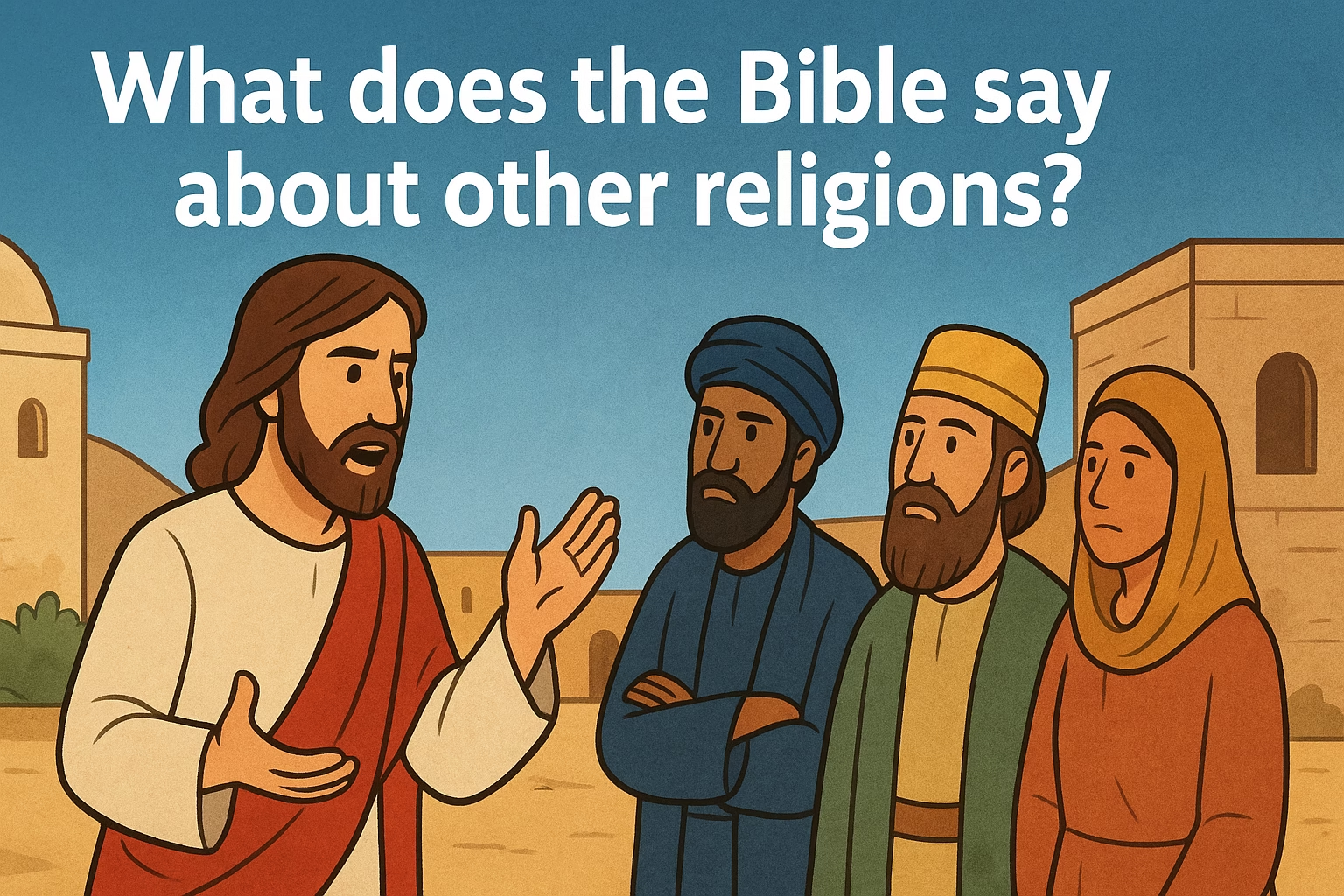
In an increasingly pluralistic world, many people find themselves asking what the Bible says about other religions. This question is significant for Christians who seek to understand their faith in relation to the many belief systems present in society. The Bible addresses the topic of other religions in various ways, providing insights into God’s perspective on worship, idolatry, and the nature of truth.
The Bible’s primary focus is on the relationship between God and His people, emphasizing the uniqueness of the Christian faith through Jesus Christ. However, it also acknowledges the existence of other religions and offers guidance on how believers should engage with them.
The Exclusivity of Christ
One of the most straightforward teachings of the New Testament regarding other religions is found in the words of Jesus Himself. In John 14:6, Jesus states, “I am the way, the truth, and the life. No one comes to the Father except through me.” This verse highlights the exclusivity of Christ as the only means of attaining salvation and a relationship with God. For Christians, this implies that while other religions may offer various paths, they do not lead to the true God.
In Acts 4:12, the Apostle Peter reinforces this belief by declaring, “There is salvation in no one else, for there is no other name under heaven given among men by which we must be saved.” This further emphasizes the centrality of Jesus in the Christian faith and the understanding that other religious systems cannot provide the same salvation that He offers.
Idolatry and False Gods
The Bible frequently addresses the issue of idolatry, which is a significant theme when discussing other religions. Idolatry is defined as the worship of false gods or images, and it is condemned throughout Scripture. In Exodus 20:3-5, God commands, “You shall have no other gods before me. You shall not make for yourself a carved image.” This commandment underscores the importance of worshiping the one true God and rejecting any form of idol worship.
In the context of other religions, the Bible often portrays their deities as false or powerless. For instance, in Psalm 115:4-8, the psalmist contrasts the living God with the idols of the nations, stating, “Their idols are silver and gold, the work of human hands. They have mouths, but do not speak; eyes, but do not see.” This passage illustrates the futility of worshiping anything other than the living God.
Engagement with Other Religions
While the Bible emphasizes the exclusivity of Christianity, it also provides guidance on how believers should engage with those of other faiths. In 1 Peter 3:15, Christians are encouraged to “always be prepared to make a defense to anyone who asks you for a reason for the hope that is in you.” This verse suggests that Christians should be knowledgeable about their faith and ready to discuss it respectfully with others, including those from different religious backgrounds.
Additionally, the Apostle Paul offers a model for engagement in Acts 17, where he addresses the Athenians at the Areopagus. He acknowledges their religious practices and even quotes their poets to connect with them. Paul uses this opportunity to proclaim the true God and the message of Jesus Christ. This approach demonstrates that while Christians should hold firm to their beliefs, they can also engage in meaningful dialogue with others.
Respect and Love for Others
Another important biblical principle is the call to love and respect others, regardless of their beliefs. In Matthew 22:39, Jesus teaches, “You shall love your neighbor as yourself.” This commandment extends to all people, including those from different religions. Christians are called to demonstrate Christ-like love, compassion, and kindness in their interactions with others, fostering an environment of understanding and respect.
Moreover, in Romans 12:18, Paul encourages believers to “live peaceably with all.” This directive highlights the importance of maintaining good relationships with those who hold different beliefs and finding common ground where possible. While Christians are to remain steadfast in their faith, they are also called to be peacemakers in a diverse world.
Wisdom in Discernment
The Bible also teaches the importance of discernment when it comes to other religions. In 1 John 4:1, believers are warned to “test the spirits to see whether they are from God.” This call for discernment encourages Christians to critically evaluate beliefs and practices that may not align with biblical teachings. It emphasizes the need for spiritual wisdom in navigating the complexities of other religions.
Moreover, in Colossians 2:8, Paul cautions against being taken captive by hollow and deceptive philosophies. This warning serves as a reminder for Christians to remain grounded in their faith and not to be swayed by teachings that contradict biblical truth.
In summary, the Bible presents a nuanced view of other religions. It asserts the exclusivity of Christ, condemns idolatry, encourages respectful engagement, promotes love for others, and calls for discernment. Understanding these biblical principles can help Christians navigate their interactions with people of different faiths while remaining true to their beliefs.
Understanding God’s Plan for All Nations
The Bible reveals that God’s plan encompasses all nations and peoples, not just Israel or the Christian community. In Genesis 12:3, God promises Abraham, “In you all the families of the earth shall be blessed.” This indicates that God’s redemptive purpose extends beyond one particular group, suggesting an inclusive vision that ultimately includes all of humanity. This promise foreshadows the mission of Jesus and the early church to reach all nations with the gospel.
In Revelation 7:9, the vision of heaven includes “a great multitude that no one could number, from every nation, from all tribes and peoples and languages.” This passage underscores the biblical narrative that, while Christ is the only way to salvation, God’s heart is for every tribe and tongue to come to Him. It serves as a reminder of the importance of evangelism and outreach, inviting believers to share the message of Christ with those from diverse backgrounds.
The Role of Conscience and General Revelation
The Bible also acknowledges that God reveals Himself through creation and conscience. In Romans 1:20, Paul explains that God’s invisible attributes are clearly seen in the world around us, allowing people to understand His divine nature. This implies that even those who have not heard the gospel may still have an awareness of God through His creation.
Moreover, Romans 2:14-15 discusses how Gentiles, who do not have the Law, show that the work of the Law is written on their hearts, demonstrating that they have a moral compass. This understanding raises important questions about the fate of those who have never encountered the gospel. While the Bible affirms the necessity of faith in Christ for salvation, it also suggests that God’s justice and mercy extend beyond human understanding.
Religious Pluralism and the Christian Response
In today’s world, religious pluralism is a significant challenge for Christians. People often encounter various belief systems that claim to offer truth and meaning. The Bible warns against syncretism, the blending of different religions, which can dilute the core of the Christian faith. In 2 Corinthians 6:14, Paul advises believers not to be unequally yoked with unbelievers, emphasizing the importance of maintaining the integrity of their faith.
Engaging with religious pluralism requires discernment and wisdom. Christians are called to be ambassadors of Christ, sharing the gospel while respecting others’ beliefs. This balance can be difficult to maintain, as believers must navigate the complexities of dialogue without compromising their convictions. It is essential for Christians to be well-grounded in their faith and equipped to articulate their beliefs clearly and lovingly.
Importance of Prayer and Dependence on the Holy Spirit
As Christians engage with other religions, prayer plays a crucial role in seeking guidance and wisdom. The Holy Spirit is integral in providing discernment and leading believers in their interactions with others. In James 1:5, it is written that if anyone lacks wisdom, they should ask God, who gives generously to all without reproach. This promise encourages Christians to seek divine insight when navigating conversations about faith.
Additionally, Ephesians 6:18 emphasizes the importance of prayer in the spiritual battle against falsehoods and misconceptions. Believers are encouraged to pray for those who do not know Christ, asking God to open their hearts and minds to the truth of the gospel. This reliance on prayer not only strengthens the believer but also acknowledges that ultimately, it is God who draws people to Himself.
Reflecting Christ in a Diverse World
In every interaction with those of different religions, Christians have the opportunity to reflect the character of Christ. This includes showing grace, humility, and love, which are hallmarks of the Christian faith. In Colossians 4:5-6, Paul instructs believers to conduct themselves wisely toward outsiders, letting their conversations be full of grace and seasoned with salt. This approach fosters a positive witness and opens doors for meaningful dialogue.
Furthermore, Christians should recognize that their actions often speak louder than words. How they live out their faith can have a profound impact on those around them. By embodying the love of Christ, believers can create a space for others to explore the faith and possibly consider the truth of the gospel.
Conclusion: Navigating Faith in a Pluralistic World
In conclusion, the Bible offers a multifaceted perspective on other religions, emphasizing the exclusivity of Christ while also recognizing God’s broader plan for humanity. It encourages respectful engagement, love for others, and discernment in navigating the complexities of faith in a pluralistic society. As Christians interact with diverse belief systems, they are called to reflect the character of Christ, relying on prayer and the Holy Spirit for guidance.
Ultimately, understanding what the Bible says about other religions equips believers to engage with the world thoughtfully and faithfully, sharing the hope found in Jesus Christ while respecting the dignity of all people.
For further insights on how Christians can effectively engage with diverse beliefs, check out this article on understanding religious pluralism and this piece on building respectful dialogues.