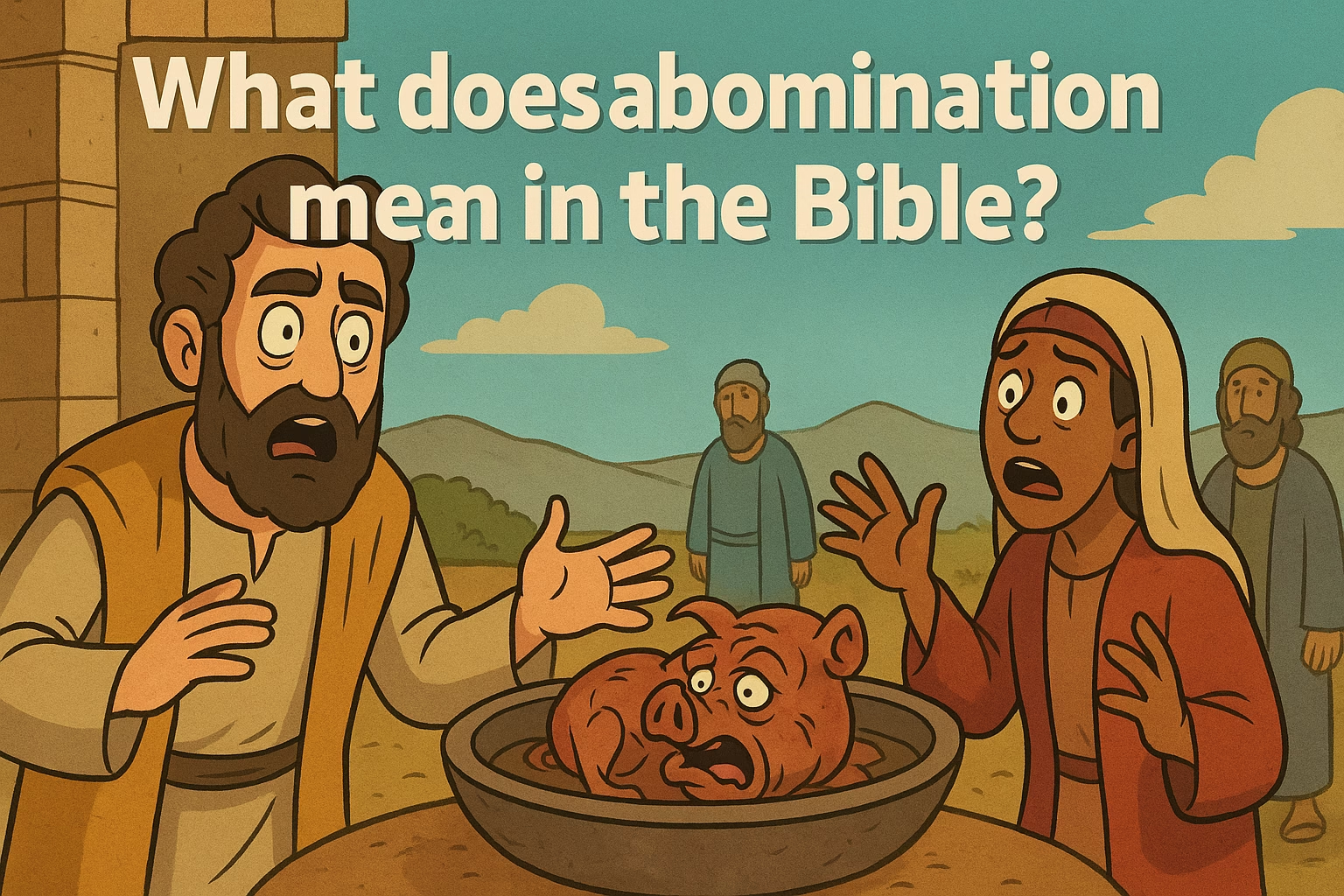
In exploring the concept of “abomination” in the Bible, it is essential to understand its significance and implications in the context of biblical teachings. The term often evokes strong emotions and reactions, as it is used to describe actions, behaviors, and practices that are viewed as deeply offensive or detestable to God. As we delve into this subject, we will uncover the various meanings and applications of “abomination” throughout Scripture.
In the Bible, the word “abomination” refers to something that is morally repugnant or unacceptable to God. It encompasses a wide range of actions and practices that violate God’s commandments and standards. The Hebrew word for abomination is “to’evah,” and it appears frequently in the Old Testament, while the Greek equivalent “bdelugma” is found in the New Testament. Both terms carry a sense of disgust and aversion, emphasizing the seriousness with which God views certain behaviors.
Understanding Abomination in the Old Testament
In the Old Testament, the concept of abomination is often associated with idolatry and immoral practices. For instance, in Deuteronomy 7:25-26, God warns the Israelites against the abominations of the nations they were to conquer, specifically mentioning the worship of idols and false gods. These practices were not only offensive but also led the people away from true worship and devotion to God.
Another significant reference can be found in Proverbs 6:16-19, where the author lists seven things that the Lord hates, describing them as abominations. Among these are haughty eyes, a lying tongue, hands that shed innocent blood, and a heart that devises wicked plans. This passage highlights the moral and ethical dimensions of abomination, indicating that certain attitudes and actions are fundamentally opposed to God’s character.
Specific Examples of Abominations
The Old Testament provides several specific examples of behaviors considered abominable. Here are a few notable instances:
- Idolatry: Worshipping idols is frequently labeled as an abomination. In Ezekiel 8:15-16, God reveals to the prophet Ezekiel the abominations committed by the people of Israel, including idol worship within the temple itself.
- Sexual Immorality: Practices such as incest, adultery, and homosexuality are categorized as abominations. Leviticus 18 outlines various sexual sins, emphasizing that these actions defile individuals and the community.
- Dishonesty: Deceptive practices in business, such as using false weights and measures, are condemned as abominations in Proverbs 11:1, indicating that integrity is paramount in all dealings.
Abomination in the New Testament Context
In the New Testament, the concept of abomination continues, but it often takes on a more spiritual dimension. Jesus and the apostles emphasize the importance of inner purity and righteousness over mere external compliance with the law. For instance, in Matthew 15:18-20, Jesus teaches that it is not what goes into a person’s mouth that defiles them, but what comes out of their heart. This shift highlights that abominations are rooted in the heart and mind, not just in outward actions.
The book of Revelation also uses the term “abomination” in a prophetic context. For example, Revelation 17:4-5 describes the “great prostitute” as having “abominations” written on her forehead, symbolizing the corrupt and immoral practices associated with false religion and the persecution of God’s people. This imagery serves to warn believers against the seductive allure of worldly values and practices that stand in opposition to God’s kingdom.
Modern Understanding and Implications
In contemporary discussions, the term “abomination” can evoke various interpretations and reactions. Some may view it through a cultural lens, focusing on specific social issues, while others may emphasize the broader spiritual implications of living in accordance with God’s will. It is crucial to approach the concept of abomination with a balanced perspective, recognizing that while certain actions are condemned, the overarching message of Scripture is one of redemption and grace.
For Christians today, understanding what constitutes an abomination can guide moral choices and encourage a deeper relationship with God. The emphasis on inner purity and the need for transformation through faith in Christ remains central to the New Testament’s teaching. Believers are called to reflect on their actions and attitudes, ensuring they align with God’s character and purposes.
In summary, the biblical concept of abomination encompasses a wide array of practices and attitudes that are detestable to God. From idolatry to immorality, these behaviors serve as a reminder of the importance of holiness and devotion in the life of a believer. As we continue to explore this topic, we will delve deeper into specific passages and their implications for our understanding of God’s standards for righteous living.
Exploring the Nature of Abomination
Understanding abomination in the Bible involves examining not just the actions labeled as such, but also the deeper spiritual principles that govern these designations. An abomination is not merely a list of forbidden actions; it is indicative of a heart that is turned away from God. This raises important questions about the nature of sin and our relationship with God.
Throughout Scripture, the idea of abomination often relates to the covenant relationship between God and His people. When the Israelites engaged in practices that were considered abominable, they were not just breaking rules; they were violating their covenant with God, which included worshiping Him alone and living in ways that reflected His holiness. This covenantal aspect emphasizes that abominations are not arbitrary but are rooted in God’s desire for a faithful and loving relationship with His creation.
The Role of Idolatry
Idolatry is a recurring theme associated with abomination, particularly in the Old Testament. The first commandment emphasizes the exclusive worship of God, and any deviation from this is viewed as an affront to His sovereignty. The Bible often depicts idolatry as a form of spiritual adultery, where the people, instead of remaining faithful to God, pursue false gods and practices. This not only diminishes their relationship with God but also corrupts their moral compass.
In a modern context, idolatry can manifest in various forms, including materialism, power, and even relationships that take precedence over one’s relationship with God. Reflecting on what constitutes modern idolatry can help believers understand how these practices might still be viewed as abominations today, calling for a reassessment of priorities and devotion.
Abomination and Social Justice
Another dimension of understanding abomination in the Bible is its connection to social justice. Many of the actions condemned as abominations, such as dishonesty and oppression, are not only personal sins but also have broader societal implications. For instance, Proverbs 17:15 states that acquitting the guilty and condemning the innocent are both abominations to the Lord. This highlights that God’s standards extend beyond individual morality to encompass justice and fairness in society.
As Christians engage with social issues today, the biblical concept of abomination can serve as a guide in assessing actions and policies. Are they just? Do they honor the dignity of every individual as created in the image of God? These questions challenge believers to advocate for righteousness in their communities, reflecting God’s character in the public sphere.
The Heart of the Matter
As mentioned earlier, Jesus emphasized that abominations stem from the heart. This notion invites a deeper introspection into our motivations and attitudes. Are our actions driven by love and obedience to God, or are they influenced by selfish desires? The New Testament calls for a transformation of the heart, urging believers to seek purity and righteousness through the power of the Holy Spirit.
Additionally, the concept of grace is pivotal in this discussion. While the Bible outlines behaviors that are abominable to God, it also offers the hope of redemption. Through Christ, believers can experience forgiveness and transformation, moving away from abominable practices and towards a life that honors God. This dynamic of recognizing sin while also embracing grace is essential for spiritual growth and renewal.
Questions for Reflection
To apply the understanding of abomination in a personal context, believers can ask themselves several reflective questions:
- What areas of my life might be considered abominable in God’s eyes? How can I seek to address these?
- Am I engaging in practices or attitudes that prioritize worldly values over God’s standards?
- How can I advocate for justice and righteousness in my community, reflecting God’s heart for the marginalized?
- In what ways can I cultivate a heart that is aligned with God’s desires and free from abominations?
These questions can lead to deeper engagement with Scripture and foster a desire for spiritual growth. They encourage believers to not only avoid abominable practices but also to pursue a life that is pleasing to God.
Conclusion: Living in Light of God’s Standards
In conclusion, the concept of abomination in the Bible serves as a profound reminder of God’s holiness and the seriousness of sin. It challenges believers to examine their lives, attitudes, and relationships through the lens of Scripture. Understanding what constitutes an abomination helps to clarify God’s standards and encourages a pursuit of righteousness in all aspects of life.
Ultimately, while the term “abomination” may evoke feelings of condemnation, it is intertwined with God’s desire for redemption and transformation. Believers are called to reject abominable practices, not solely out of fear of judgment, but out of a genuine love for God and a desire to live in accordance with His will. By doing so, they reflect His character and contribute to a world that honors Him.
For further insights on living a life aligned with God’s standards, consider reading about Christian principles of social justice and the transformative power of grace.