The concept of “cud” in the Bible may seem obscure at first, but it plays an important role in the dietary laws outlined in Scripture. Understanding what cud is, its significance, and its biblical context can deepen our appreciation for the teachings found in the Bible. This article will explore the meaning of cud, its references in Scripture, and its implications for the people of ancient Israel.
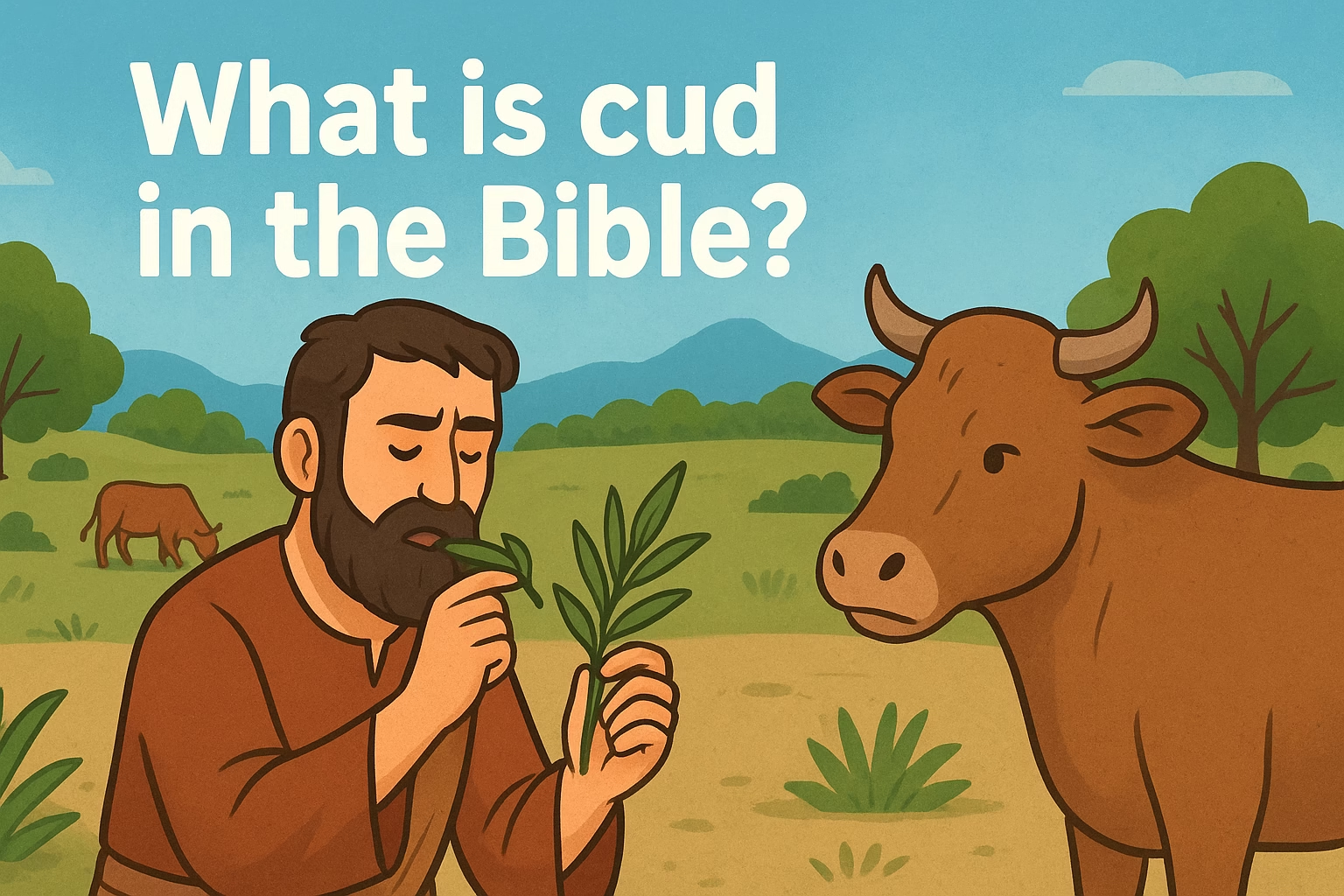
In biblical terms, cud refers to the food that certain animals chew and digest in a unique way. Specifically, cud is the regurgitated food from a ruminant animal that is chewed again before being swallowed for further digestion. The Bible distinguishes between clean and unclean animals, and cud is a critical factor in these classifications.
Understanding Cud in the Bible
The term “cud” appears in the context of dietary laws in the Old Testament, particularly in the books of Leviticus and Deuteronomy. Ruminant animals, such as cows, sheep, and goats, are considered clean because they both chew the cud and have split hooves. In contrast, animals that do not meet these criteria are deemed unclean and are not fit for consumption by the Israelites.
Biblical References to Cud
One of the primary passages discussing cud is found in Leviticus 11. Here, God provides Moses with a list of clean and unclean animals:
“You may eat any animal that has a divided hoof and chews the cud.” (Leviticus 11:3, NLT)
This verse establishes the criteria for clean animals. The significance of chewing the cud is not merely about dietary preference; it symbolizes a deeper lesson about purity and obedience to God’s commands.
The Importance of Clean and Unclean Animals
The dietary laws in the Bible serve multiple purposes. Firstly, they set the Israelites apart from other nations, establishing a unique identity rooted in obedience to God’s commands. Secondly, these laws promote health and hygiene, as many unclean animals could carry diseases or parasites. Understanding the distinction between clean and unclean animals, particularly in relation to cud, illustrates God’s concern for the well-being of His people.
Symbolism of Cud and Ruminants
The act of chewing cud has been interpreted symbolically in various ways throughout biblical literature. Ruminants, through their digestive process, reflect a spiritual practice of meditation and reflection. Just as these animals repeatedly chew their food, believers are encouraged to meditate on God’s Word and internalize His teachings.
Psalm 1:2 emphasizes this idea: “But they delight in the law of the Lord, meditating on it day and night.” (Psalm 1:2, NLT) The comparison of ruminants to faithful believers suggests that spiritual growth requires time and contemplation, much like how these animals process their food.
Modern Interpretations and Applications
For contemporary Christians, the dietary laws regarding cud may not hold the same importance as they did for ancient Israelites. However, the underlying principles of obedience, holiness, and reflection remain relevant. Many believers find that the biblical teachings on cleanliness and purity can be applied to various aspects of life, encouraging them to live in a way that honors God.
While the specifics of dietary restrictions may not apply, the call to meditate on Scripture and seek spiritual nourishment is a timeless principle. Just as animals that chew cud are deemed clean, believers are encouraged to cultivate a clean heart and mind through the study of God’s Word.
Conclusion of Part One
In summary, cud in the Bible refers to the regurgitated food of ruminant animals, which plays a significant role in the dietary laws given to the Israelites. These laws not only served practical purposes but also conveyed deeper spiritual truths about obedience and reflection. The concept of cud encourages believers to meditate on God’s teachings and internalize His Word for spiritual growth.
Historical and Cultural Context of Cud
To fully grasp the significance of cud in the Bible, it is essential to consider the historical and cultural context of ancient Israel. The Israelites lived in a predominantly agrarian society where livestock played a crucial role in daily life. Animals were not only sources of food but also symbols of wealth and status. Understanding this context helps illuminate why God provided specific dietary laws, including those related to cud.
In ancient Israel, the consumption of clean animals was not merely a matter of dietary preference but also a reflection of one’s adherence to God’s commandments. The Israelites’ ability to follow these laws was seen as a demonstration of their faithfulness and devotion to God. This connection between diet and spirituality underscores the importance of understanding cud and its implications for the Israelites.
Religious Significance of Dietary Laws
The laws concerning clean and unclean animals, including the requirement to chew cud, served as a means of establishing a covenantal relationship between God and His people. By adhering to these laws, the Israelites demonstrated their commitment to living according to God’s standards. This obedience was not just about physical purity but also about spiritual integrity.
For the ancient Israelites, food was far more than sustenance; it was intertwined with their identity as God’s chosen people. The act of eating was a communal experience that often took place during religious festivals and gatherings. As such, the dietary laws reinforced their identity and unity as a nation set apart by God.
Lessons on Spiritual Reflection
The act of chewing cud can also serve as a metaphor for spiritual reflection. In a world filled with distractions, the practice of taking time to meditate on God’s Word is invaluable. Just as ruminants take time to process their food, believers are encouraged to slow down and reflect on the teachings of Scripture.
In Philippians 4:8, Paul encourages believers to focus on what is true, noble, right, pure, lovely, and admirable. This call to reflect on positive and godly attributes parallels the act of chewing cud, inviting Christians to internalize and digest the truths found in Scripture deeply. By doing so, they can cultivate a more profound relationship with God and a greater understanding of His will for their lives.
Practical Applications of Chewing Cud
While the specific dietary laws regarding cud may not apply to modern Christians, the principle of spiritual nourishment through reflection is timeless. Believers today can learn from the example of ruminants by incorporating practices that promote spiritual growth into their daily lives. Here are some practical applications:
- Daily Devotion: Set aside time each day to read and meditate on Scripture, allowing the Word to take root in your heart.
- Journaling: Write down insights from your Bible study or reflections on God’s character to help internalize and process what you learn.
- Group Study: Join a Bible study group where you can discuss and reflect on Scripture with others, gaining different perspectives and deeper insights.
- Prayer and Contemplation: Spend time in prayer, seeking God’s guidance and understanding of His Word, similar to how ruminants repeatedly chew their cud.
Questions for Further Reflection
As we consider the implications of cud and its biblical significance, it is helpful to ask ourselves some reflective questions:
- How can I incorporate the practice of meditation on Scripture into my daily routine?
- What does it mean for me personally to live a life that reflects God’s standards of purity and obedience?
- In what ways can I encourage others to engage in spiritual reflection and growth?
- How do I view the connection between physical nourishment and spiritual well-being in my life?
Conclusion
The concept of cud in the Bible transcends mere dietary regulations; it serves as a profound symbol of spiritual reflection and obedience. Understanding its significance within the historical and cultural context of ancient Israel enhances our appreciation for God’s teachings. While the specific dietary laws may not apply today, the principles of meditation, reflection, and spiritual nourishment remain relevant for believers seeking to deepen their relationship with God and grow in faith.
For more insights on biblical dietary laws and their relevance today, you can read about the significance of clean and unclean animals and explore how these principles apply to modern living.