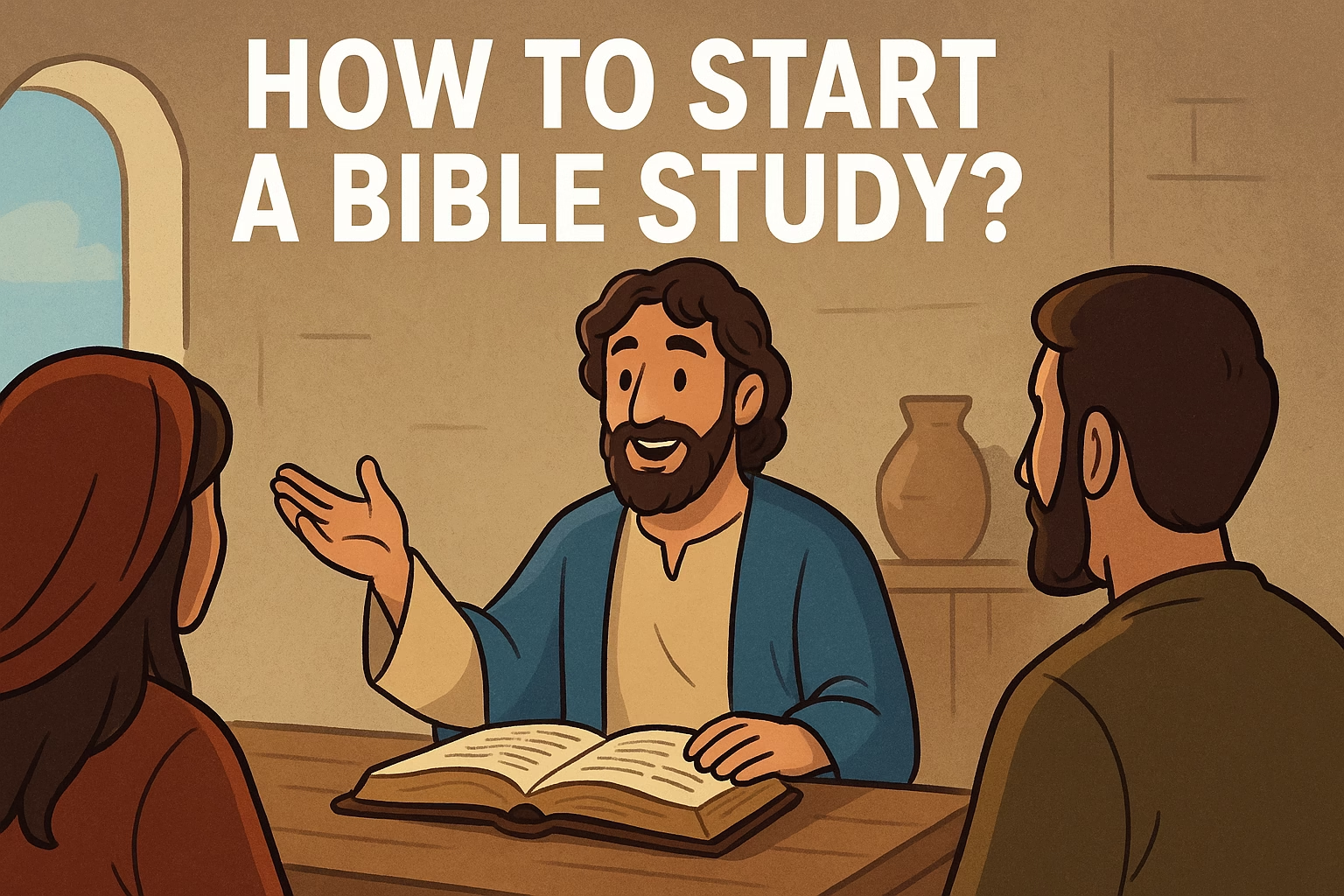
Starting a Bible study can be a fulfilling and enriching experience, whether you aim to deepen your own understanding of Scripture or share insights with others. The Bible is a profound text that offers wisdom, guidance, and comfort, and studying it together can foster community and spiritual growth.
To begin a Bible study, you need to establish a clear purpose, gather the right resources, and create an inviting atmosphere for discussion. Below are key steps and considerations to help you start your journey into Scripture.
Define Your Purpose
Before diving into the study, take some time to reflect on why you want to start a Bible study. Are you looking to deepen your faith, learn more about specific topics, or foster community among believers? Defining your purpose will guide your study’s direction and help you stay focused.
Types of Bible Studies
- Personal Study: This is for individual growth. You choose a book, theme, or topic and explore it at your own pace.
- Group Study: Involves gathering with others to discuss Scripture, share insights, and encourage one another.
- Topical Study: Focuses on a specific subject, such as prayer, faith, or love, and examines relevant passages.
- Book Study: Involves studying a specific book of the Bible, discussing its context, themes, and applications.
Gather Resources
Having the right resources will enhance your Bible study experience. Here are some essentials to consider:
Bibles
Choose a translation that is easy to understand and resonates with you. The New Living Translation (NLT) is a popular choice for its readability. You might also have different translations available for comparison, such as the English Standard Version (ESV) or the New International Version (NIV).
Study Guides and Commentaries
Consider using study guides or commentaries that provide context and insights into the passages you will explore. These resources can help clarify difficult verses and provide historical background.
Note-Taking Supplies
Encourage participants to bring notebooks or digital devices for taking notes. This will help them remember key insights and questions that arise during discussions.
Choose a Location and Time
Select a comfortable and quiet location for your Bible study. This could be your home, a church, or a community center. Ensure the space is conducive to discussion and reflection.
Decide on a regular meeting time that works for you and other participants. Consistency is key to building momentum and commitment. Whether you meet weekly, bi-weekly, or monthly, make sure everyone is on the same page.
Invite Participants
Once you have a clear purpose and location, it’s time to invite participants. Consider reaching out to friends, family, or members of your church community. You can use social media or flyers to spread the word.
Creating an Inclusive Environment
When inviting others, emphasize that everyone is welcome, regardless of their level of biblical knowledge. Encourage questions and discussions to create a safe space where participants feel comfortable sharing their thoughts and experiences.
Plan Your First Session
For your first session, choose a passage or topic that is accessible and engaging. This will help break the ice and set a positive tone for future meetings. Here are some steps to plan your first session:
- Select a Passage: Consider starting with a well-known story, such as the Parable of the Good Samaritan (Luke 10:25-37) or the Sermon on the Mount (Matthew 5-7). These passages are rich in meaning and provoke thought.
- Prepare Discussion Questions: Create a list of open-ended questions that encourage discussion. For example:
- What stood out to you in this passage?
- How can we apply this teaching to our lives today?
- What questions do you have about the text?
- Set Ground Rules: Establish guidelines for respectful conversation, such as listening actively, allowing everyone a chance to speak, and keeping discussions focused on the Scripture.
Pray for Guidance
Before beginning your Bible study, take a moment to pray. Ask for guidance, wisdom, and understanding as you delve into God’s Word. Prayer sets the tone for the study and invites the Holy Spirit to guide your discussions.
As you embark on this journey, remember that studying the Bible is not just about gaining knowledge; it’s about growing in your relationship with God and with one another. Embrace the process, be open to learning, and let the Word transform your heart and mind.
Understanding Context
As you delve into Scripture, it’s essential to understand the context of the passages you study. Context includes the historical, cultural, and literary background of the text. Understanding who wrote the book, to whom it was written, and the circumstances surrounding it can significantly enhance your comprehension.
For instance, when studying the letters of Paul, consider the specific issues faced by the early church in Corinth or Galatia. Recognizing these details can illuminate why Paul addressed certain topics in particular ways. Resources like Bible dictionaries and historical commentaries can provide valuable insights into the cultural context, which can deepen your understanding of the text.
Engaging with the Text
When studying a passage, it can be helpful to read it multiple times and from different translations. This practice allows you to notice different nuances and meanings. Encourage participants to share their initial impressions and observations. Here are some strategies to engage deeply with the text:
- Observation: What does the text say? Look for key words, repeated themes, and the structure of the passage.
- Interpretation: What does the text mean? Discuss the implications of the verses and how they relate to the overall message of the Bible.
- Application: How can this passage be applied to our lives? Encourage participants to think about practical ways to incorporate the teachings into daily living.
Meaningful Follow-Up Questions
Asking the right questions can lead to meaningful discussions. Here are some categories of questions you can use to guide your conversations:
Personal Reflection
These questions help participants connect the Scripture to their own lives:
- How does this passage resonate with your current life situation?
- What challenges do you face in applying this teaching?
Community and Relationships
These questions encourage group interaction and connection:
- How can we support each other in living out this teaching?
- What does this passage reveal about our relationships with others?
Theological Insights
These questions delve into the broader theological implications:
- What does this passage teach us about God’s character?
- How does this scripture connect with other biblical teachings?
Encouraging Participation
Creating an environment where everyone feels comfortable sharing is crucial. You might consider assigning roles during discussions, such as a facilitator to guide the conversation and a note-taker to capture insights and questions. This approach can help balance participation and ensure that all voices are heard.
Additionally, you can incorporate creative elements into your study. For example, you might include music, art, or videos that relate to the passage being studied. These elements can help participants engage with the material on different levels and can make the study more dynamic.
Incorporating Prayer and Worship
Prayer should be a central component of your Bible study. Consider starting and ending each session with prayer, inviting participants to share prayer requests and praises. This practice fosters a sense of community and encourages participants to support one another spiritually.
You might also incorporate worship through music. Singing hymns or contemporary Christian songs that relate to the study can create a powerful atmosphere and help participants reflect on the themes discussed.
Evaluating Your Study
After a few sessions, take time to evaluate the Bible study’s effectiveness. Gather feedback from participants about what they enjoy and what could be improved. This evaluation can help you adjust your approach, whether that means changing the study format, selecting new topics, or adjusting the meeting schedule.
Encourage participants to share their insights on how the study is impacting their faith and daily lives. This feedback will not only guide you but also inspire everyone involved as they witness growth and transformation.
Building Community Beyond the Study
Consider ways to build community outside of your Bible study sessions. Organizing fellowship activities, service projects, or social events can strengthen relationships among participants. These shared experiences create bonds that enhance the trust and openness during your studies.
Encourage participants to continue discussing Scripture in their daily lives. This can be through small groups, one-on-one conversations, or even online discussions. The more you cultivate a culture of sharing and learning, the richer your Bible study will be.
Closing Thoughts
Starting a Bible study is not just about gathering to learn; it is about fostering a community that seeks to grow in faith together. Embrace the journey with an open heart and a willingness to discover not only the truths of Scripture but also the ways it can transform lives. Remember that each person’s perspective is valuable and contributes to a richer understanding of God’s Word.
As you embark on this spiritual adventure, keep in mind that the ultimate goal is to deepen your relationship with God and each other. Let the discussions be filled with grace, curiosity, and a shared desire to know Him more deeply.
For additional insights on fostering community and understanding Scripture, check out this article on building biblical community and this guide on interpreting biblical texts.