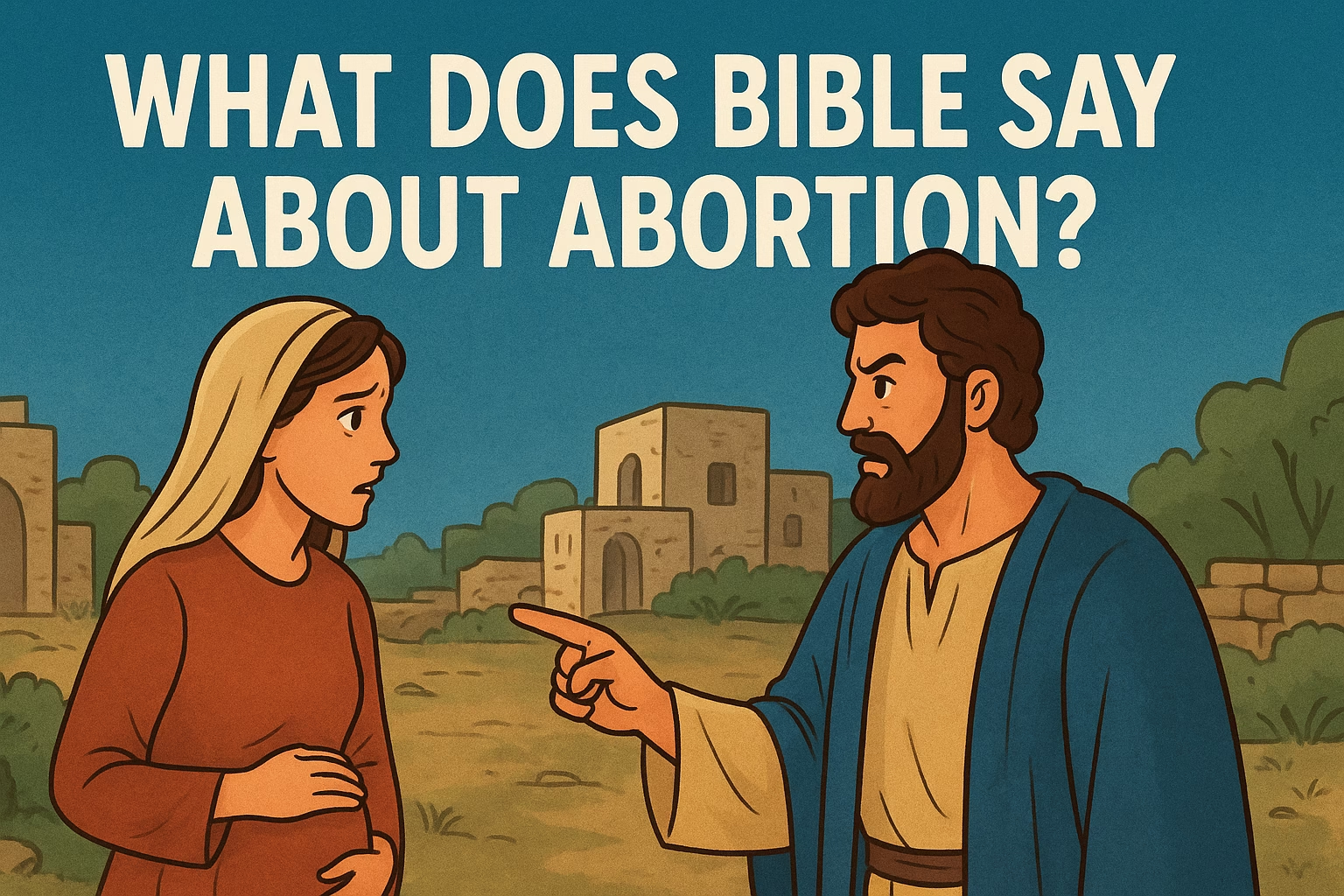
The topic of abortion is one that elicits strong emotions and diverse opinions, particularly among Christians. As believers, many seek guidance from the Bible to understand God’s perspective on life and the sanctity of unborn children. This article aims to explore what Scripture says about abortion, examining relevant passages and interpretations to provide clarity on this complex issue.
The Bible does not explicitly mention the word “abortion,” but it does address the value of human life and the moral implications surrounding it. Understanding these principles can help form a biblical perspective on abortion. Key passages, such as Psalm 139:13-16 and Jeremiah 1:5, emphasize that God knows us even before we are formed in the womb, suggesting that life begins at conception. Furthermore, Exodus 20:13 states, “You must not murder,” which many interpret as a commandment protecting the sanctity of life.
Life Begins at Conception
Many Christians believe that life begins at conception based on several biblical passages. In Psalm 139:13-16, David writes about God’s intimate knowledge of him, stating that God “knit me together in my mother’s womb.” This imagery suggests a personal connection and purpose even before birth. Similarly, in Jeremiah 1:5, God tells the prophet, “I knew you before I formed you in your mother’s womb.” These verses indicate that God values life from its earliest stages, which many interpret as a strong argument against abortion.
God’s Sovereignty Over Life
In the Bible, the sovereignty of God over life is a recurring theme. For instance, in Genesis 1:27, it is stated that humans are created in the image of God. This inherent value implies that every life, including that of the unborn, carries divine significance. The belief that God has a plan for each person further reinforces the idea that life should be cherished and protected.
Understanding the Commandment Against Murder
Exodus 20:13 commands, “You must not murder.” This commandment is often cited in discussions about abortion, as it underscores the seriousness of taking a life. While some argue that abortion is not the same as murder due to the fetus’s developmental stage, others contend that the moral implications remain. The distinction between murder and abortion is a matter of intense debate among theologians, but many Christians hold that the commandment applies to all human life, regardless of its stage.
The Value of the Unborn
Proponents of the pro-life stance often refer to passages that highlight the value of the unborn. For example, in Luke 1:41-44, when Mary visits Elizabeth, the baby in Elizabeth’s womb leaps for joy at the presence of Mary, who is pregnant with Jesus. This event is interpreted by many as evidence that unborn children are aware and capable of responding to God’s presence. Such narratives contribute to the belief that the unborn should be regarded as full human beings deserving of protection.
The Role of Compassion and Grace
While many biblical passages highlight the sanctity of life, the Bible also emphasizes compassion and grace. In situations where unexpected pregnancies occur, the church is called to respond with love, support, and understanding. This perspective encourages believers to consider the complexities surrounding abortion, including the circumstances that lead individuals to consider it. Galatians 6:2 reminds us to “carry each other’s burdens,” urging Christians to offer help and guidance rather than condemnation.
Forgiveness and Healing
It is important to acknowledge that individuals who have experienced abortion may face deep emotional and spiritual struggles. The Bible offers hope and healing through Christ. In 1 John 1:9, it states, “If we confess our sins, he is faithful and just to forgive us our sins and to cleanse us from all wickedness.” This verse reassures individuals that no matter their past choices, they can find forgiveness and restoration in their relationship with God.
Disputed Interpretations and Cultural Context
While many Christians hold a pro-life view based on the above interpretations, it is essential to recognize that interpretations of Scripture can vary. Some argue that the Bible’s silence on the specific issue of abortion allows for differing opinions, particularly concerning the health and circumstances of the mother. Cultural context also plays a significant role in how Scripture is understood and applied to contemporary issues.
For instance, in ancient times, societal norms and values surrounding family and childbearing were vastly different from today. The Bible reflects these contexts, which can influence how certain passages are interpreted in relation to modern issues like abortion. It is crucial to approach this topic with humility and an openness to understanding different perspectives within the Christian community.
In summary, the Bible provides foundational principles regarding the sanctity of life and the value of the unborn. While it does not explicitly address abortion, passages that emphasize God’s involvement in the formation of life and the commandment against murder are often central to discussions on this topic. Additionally, the call to compassion and grace reminds believers to approach the issue with empathy and understanding. As we continue to explore this topic, we will delve further into the complexities surrounding abortion and how Christians can navigate these challenging conversations.
Theological Reflections on Life and Choice
When examining the issue of abortion through a biblical lens, it is essential to consider the broader theological implications of life and choice. The Bible teaches that life is a gift from God, and every individual is created with purpose. This understanding invites believers to reflect on the gravity of choices made regarding life. The tension between valuing life and recognizing personal circumstances often leads to deep ethical discussions within the Christian community.
Human Agency and Divine Will
In Christianity, believers are often encouraged to seek God’s will in their lives, which includes making difficult decisions. This raises questions about human agency and the extent to which individuals can exercise their choices in light of God’s sovereignty. While the Bible affirms that God has a plan for each person, it also recognizes the complexity of human experiences. For instance, in James 1:5, believers are urged to ask God for wisdom when faced with trials, suggesting that seeking divine guidance is crucial when navigating moral dilemmas.
Considerations of Health and Well-Being
Another significant aspect of the abortion discussion relates to the health and well-being of the mother. The Bible emphasizes the importance of caring for one’s body and health. In 1 Corinthians 6:19-20, Paul writes that the body is a temple of the Holy Spirit, prompting believers to consider the physical and mental health implications of pregnancy. This raises thoughtful questions about how to balance the sanctity of unborn life with the well-being of the mother, especially in cases of medical complications or severe emotional distress.
Community Support and Guidance
Christian communities are called to provide support to individuals facing unplanned pregnancies. The church can play a vital role in offering resources, counseling, and practical assistance. In Romans 12:13, believers are encouraged to “share with those in need,” highlighting the importance of a compassionate response. By fostering a supportive environment, the church can help individuals navigate their choices while reinforcing the value of life and the need for empathy.
The Role of Education and Awareness
Education about the complexities surrounding abortion is crucial for informed decision-making. Many Christians advocate for comprehensive education on reproductive health, the implications of abortion, and the value of life. By equipping individuals with knowledge, churches can empower them to make choices that align with their faith and values. Proverbs 1:5 states, “Let the wise listen and add to their learning,” emphasizing the importance of continual growth in understanding.
Engaging in Open Dialogue
Open dialogue within the church community can help address differing views on abortion. It is vital to create spaces where individuals feel safe to share their experiences and beliefs. This engagement fosters understanding and compassion, allowing for a more nuanced discussion of the topic. Ephesians 4:15 encourages believers to “speak the truth in love,” reminding us that honesty must be coupled with grace in conversations about sensitive issues.
Scriptural Examples of Grace in Difficult Situations
The Bible contains numerous stories that illustrate God’s grace in challenging circumstances. For example, the story of Hagar in Genesis 16 shows how God cares for those in distress. Hagar, an Egyptian servant, faced a difficult situation when she became pregnant with Abraham’s child. God intervened, providing her comfort and assurance. Such narratives remind us that God is present in our struggles and offers hope, even in the most trying times.
The Importance of Prayer and Reflection
Prayer is a vital aspect of seeking God’s guidance in personal decisions, including those surrounding pregnancy and abortion. Philippians 4:6-7 encourages believers to present their requests to God, trusting that He will provide peace and direction. Engaging in prayerful reflection can help individuals discern their paths while acknowledging the weight of their choices.
Finding Unity in Diversity
As Christians navigate the complex issue of abortion, it is essential to recognize and respect differing perspectives within the body of Christ. While many hold a pro-life stance based on biblical principles, others may approach the topic from different angles, considering factors such as health, economic stability, and personal circumstances. Unity in diversity is vital for the church, as it allows for a collective witness of love and grace, even amid disagreement.
Encouraging a Culture of Life
Ultimately, Christians are called to promote a culture that values life at every stage. This involves advocating for policies that support families, offering resources for expectant mothers, and engaging in community outreach. By actively demonstrating love and support for both the unborn and their mothers, believers can embody the principles of compassion and grace that Scripture teaches.
Conclusion: Navigating the Conversation with Love and Grace
The Bible provides foundational principles regarding the sanctity of life and the value of the unborn, yet it also emphasizes compassion, grace, and community support. As Christians engage in discussions surrounding abortion, it is essential to approach the topic with empathy and understanding, recognizing the complexities involved. By fostering open dialogue, encouraging education, and supporting those in need, the church can navigate this challenging issue while upholding biblical values. Ultimately, the goal is to reflect Christ’s love in all interactions, promoting a culture that cherishes life and offers hope and healing to those facing difficult choices.
For further insights on related issues, check out these articles: descriptive anchor text and descriptive anchor text.