
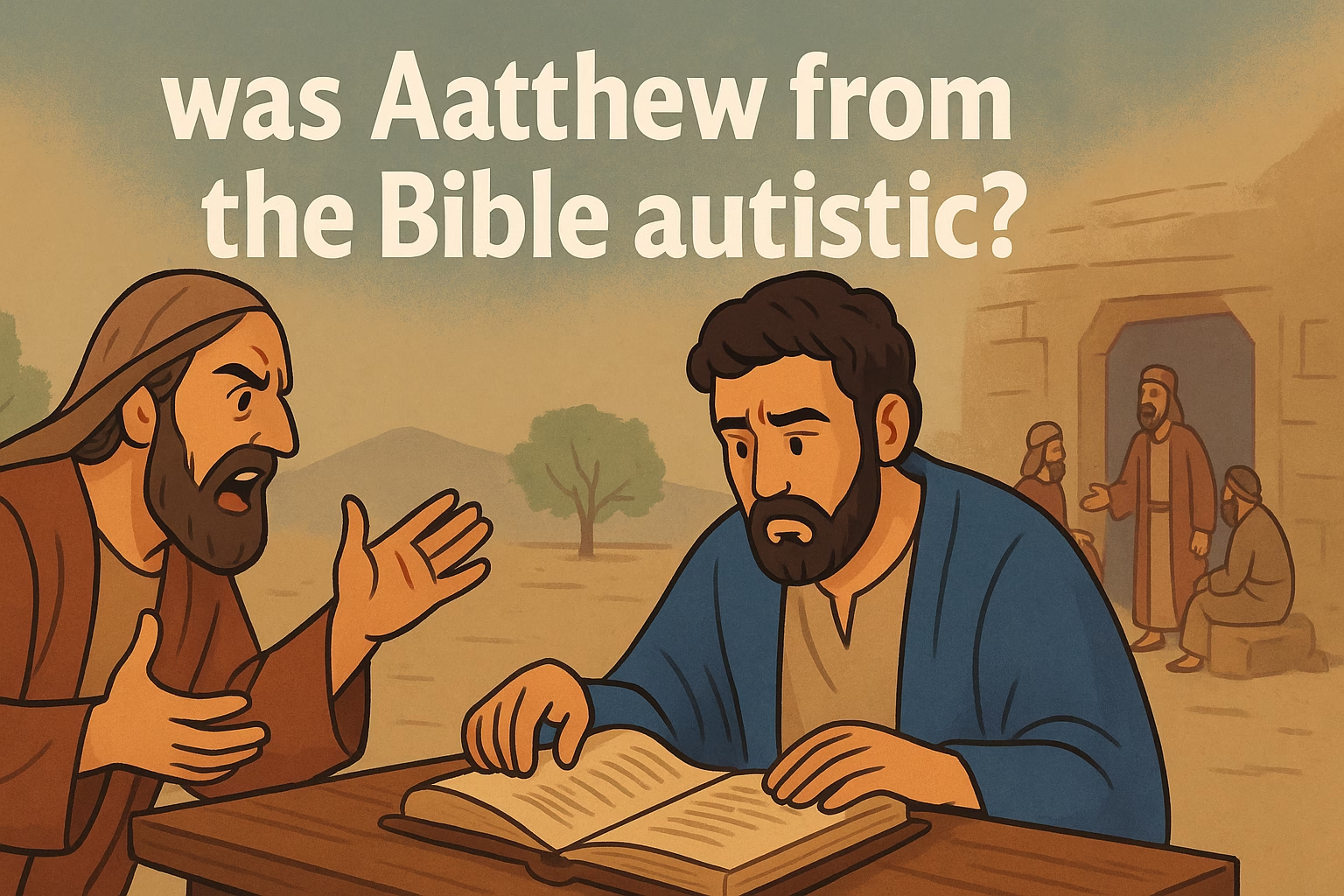
The question of whether Matthew, one of Jesus’ twelve apostles and the author of the Gospel of Matthew, may have been autistic invites both curiosity and careful consideration. Autism, a complex developmental condition, is characterized by challenges in social interaction, communication, and repetitive behaviors. While the Bible does not directly address autism, examining Matthew’s life, his role in the scripture, and how he is portrayed can provide insight into this intriguing inquiry.
To answer the question directly: there is no biblical evidence or scholarly consensus that suggests Matthew was autistic. However, we can explore aspects of his character and background that might lead some to consider this possibility, while also recognizing the limitations of applying modern diagnoses to ancient figures.
Understanding Matthew’s Background
Matthew, also known as Levi, was a tax collector before becoming a disciple of Jesus. Tax collectors in first-century Judea were often viewed with disdain by the Jewish community due to their collaboration with the Roman occupiers and their reputation for dishonesty. This background is significant as it may have influenced his personality and interactions.
Social Isolation and Acceptance
Tax collectors were typically marginalized, which could lead to a sense of social isolation. In Matthew 9:9-13, we see Jesus calling Matthew to follow Him, breaking social norms by associating with those considered outcasts. This act of acceptance from Jesus may resonate with individuals who feel socially different, including those on the autism spectrum.
Attention to Detail
One of the notable characteristics of Matthew’s Gospel is its attention to detail, particularly in fulfilling Old Testament prophecies. This meticulousness might suggest a tendency toward focused interests or specific skills in observation and documentation, traits sometimes associated with autism. For instance, Matthew frequently emphasizes Jesus’ lineage and the fulfillment of prophecies (Matthew 1:1-17). This focus on details may indicate a personality that values precision.
Matthew’s Writing Style and Communication
Matthew’s writing style is distinct among the Gospels. He uses a structured approach, organizing teachings and events into five major discourses, which can reflect a systematic way of thinking. This structured presentation of Jesus’ teachings might align with the cognitive styles of some individuals on the autism spectrum, who may prefer clear frameworks and logical sequences.
Directness and Clarity
Matthew’s Gospel often emphasizes clarity and directness. For example, in the Sermon on the Mount (Matthew 5-7), Jesus delivers profound teachings in a straightforward manner. Someone with an autistic perspective might appreciate this clarity, as it avoids the ambiguity that can complicate social interactions. However, it is essential to note that clarity in communication is not exclusive to autism; many individuals value direct and clear communication without being on the spectrum.
Emotional Expression and Relationships
One of the challenges in assessing whether Matthew may have had autistic traits is the limited information regarding his emotional life and relationships. The Bible does not provide in-depth psychological profiles of its characters. Instead, it often focuses on their actions and roles within God’s plan.
Interactions with Jesus and Others
Matthew’s response to Jesus’ call and his subsequent actions reflect a willingness to change and follow a new path. In Matthew 9:10, he hosts a banquet for Jesus, inviting fellow tax collectors and sinners. This suggests that he was capable of forming relationships, even if they were with those on the margins of society. The ability to connect with others, even in a unique context, does not necessarily indicate autism, as many individuals with autism can form meaningful connections in their own ways.
Interpreting Scripture and Modern Perspectives
When discussing whether biblical figures like Matthew might have been autistic, it is crucial to differentiate between scriptural evidence and personal interpretation. The Bible does not contain explicit references to autism or any modern psychological conditions. Instead, it presents narratives that can be interpreted through various lenses.
Limitations of Historical Diagnosis
Applying contemporary medical or psychological terms to historical figures is inherently problematic. Autism, as we understand it today, is a construct of modern psychology. The behaviors and traits associated with autism cannot be accurately retrofitted onto individuals from biblical times without considerable speculation.
While some may find parallels between Matthew’s experiences and traits often associated with autism, these observations remain subjective. The Bible invites believers to consider the spiritual lessons and themes rather than focus on diagnosing its characters with modern labels. Matthew’s significance lies in his role as an apostle and the message of his Gospel rather than any potential psychological profile.
Matthew’s Role in the Early Church
Understanding Matthew’s influence on the early Christian community can provide further context to the discussion of his character. After Jesus’ resurrection, Matthew played a crucial role in spreading the Gospel. The early church faced numerous challenges, including persecution and the need to establish a clear doctrine. Matthew’s background as a tax collector may have equipped him with unique skills in organization and communication, which were essential for his role in this nascent community.
Leadership and Community Dynamics
Matthew was part of a diverse group of apostles, each with different backgrounds and experiences. His position as a tax collector might have given him an outsider’s perspective, allowing him to relate to others who felt marginalized or rejected. This ability to connect with various groups could suggest a level of empathy and understanding, traits that do not exclusively align with autism but are often found in those who are sensitive to social dynamics.
Comparative Analysis with Other Apostles
When considering whether Matthew may have exhibited traits of autism, it can be helpful to compare him with other apostles. For instance, Peter is often depicted as impulsive and outspoken, whereas John is known for his deep emotional insights. Each apostle had distinct characteristics that contributed to their roles in the ministry. Matthew’s analytical approach to writing and detail-oriented nature contrasts with the more emotionally expressive styles of some of his peers.
Understanding Diversity in Gifts
The diversity of personalities and gifts among the apostles highlights a broader theme within Christian teaching: the idea that each person is uniquely created with different abilities and perspectives. In 1 Corinthians 12, Paul discusses the body of Christ and how each member has a distinct role. This concept can remind us that while we may seek to understand Matthew through a modern lens, his contributions to the Gospel and the early church are valid and valuable regardless of how we interpret his personality traits.
Theological Implications of Matthew’s Experience
Examining Matthew’s character through a theological lens raises questions about how Christians view individuals who may be different from societal norms. The Gospel emphasizes love, acceptance, and the value of every individual, regardless of their social status or perceived differences. Jesus’ ministry often focused on reaching those marginalized by society, which can resonate with discussions around autism and acceptance in the church today.
Lessons of Acceptance and Grace
Matthew’s story can serve as a powerful reminder of God’s grace and the call to embrace those who may feel like outsiders. In Luke 19:10, Jesus states that He came to seek and save the lost. This mission is central to the Christian faith and encourages believers to extend love and acceptance to all people, including those with autism or other differences. The church’s role is to provide a space where everyone can belong and contribute, reflecting the inclusive nature of Jesus’ message.
Questions for Further Reflection
As we ponder the possibility of Matthew’s character traits in relation to autism, several questions arise for personal and communal reflection:
- How can we better understand and embrace diversity within our faith communities, including those who may have autism or other differences?
- What can Matthew’s story teach us about acceptance and the value of every individual in the eyes of God?
- In what ways can we apply the principles of grace and inclusion modeled by Jesus to our interactions with others?
- How does the Church today address the needs and experiences of individuals on the autism spectrum?
Conclusion: Embracing Differences in the Context of Faith
While there is no definitive evidence that Matthew was autistic, exploring the nuances of his character and experiences invites deeper conversations about acceptance, diversity, and the value of every individual’s contributions to the Christian community. Rather than labeling biblical figures with modern diagnoses, we can appreciate their unique roles and the lessons they impart.
Matthew’s life reminds us of the importance of grace and the call to embrace those who may feel different. As we reflect on his journey, may we be inspired to create a more inclusive community that mirrors the love of Christ, welcoming everyone regardless of their background or challenges.
For more insights on embracing diversity in faith communities, check out this article on inclusion in the church and learn about the significance of acceptance in Christian teachings through this exploration of grace and belonging.