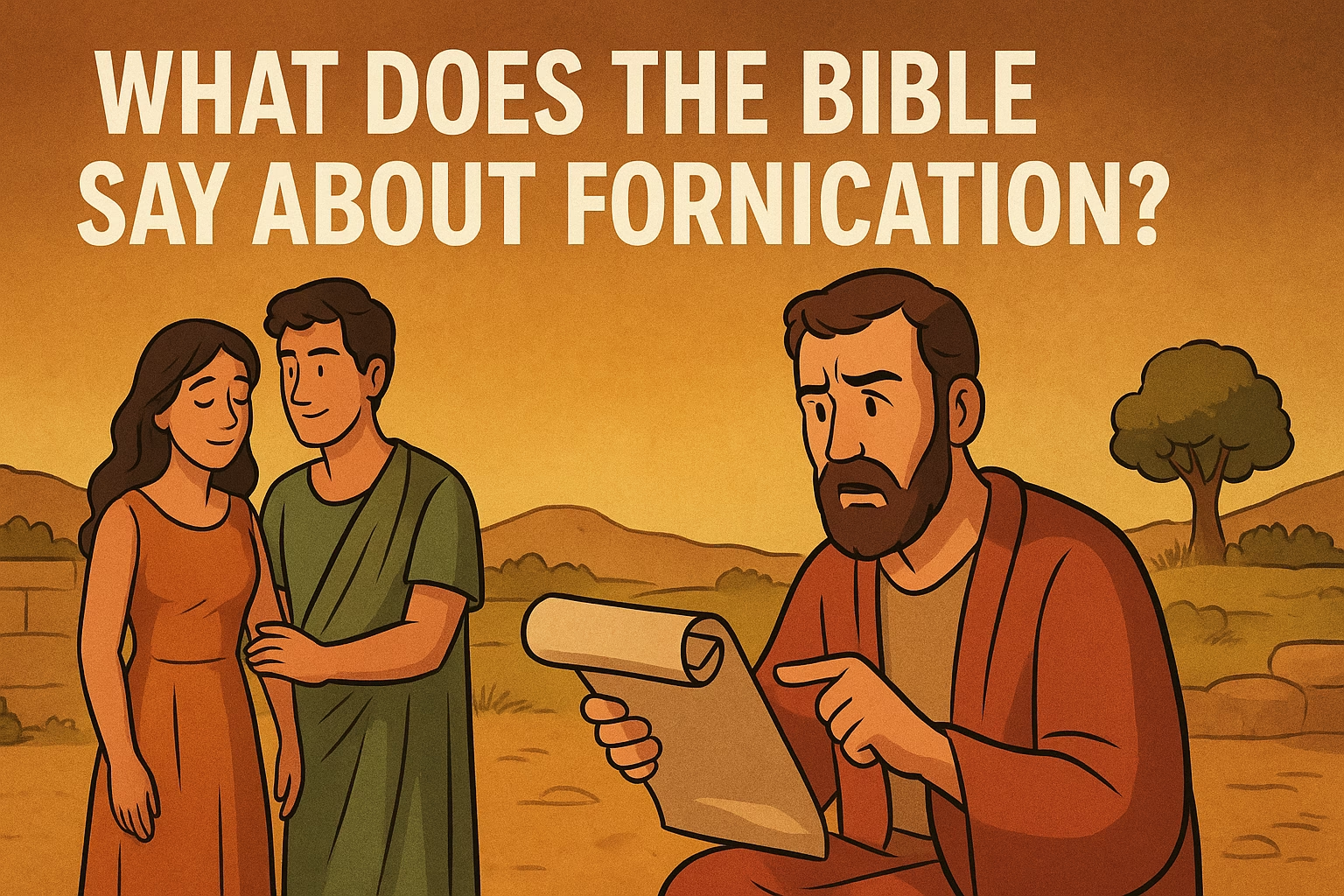
Fornication is a term that often raises questions about morality and sexual conduct in the context of Christian teachings. As we delve into what the Bible says about fornication, it is essential to understand the cultural and historical background of the Scriptures, as well as the specific passages that address sexual immorality. This article will explore the biblical perspective on fornication, drawing from various Scriptures and their interpretations.
The Bible uses the term “fornication” to refer to sexual immorality, which encompasses a range of sexual behaviors outside of marriage. Key passages in the New Testament provide clarity on this topic, emphasizing the importance of sexual purity and the sanctity of marriage. In this article, we will examine these passages and understand their implications for believers today.
Understanding Fornication in the Bible
The word “fornication” in the Bible is often translated from the Greek term “porneia,” which refers broadly to sexual immorality. This includes premarital sex, adultery, and other sexual acts deemed sinful. The New Testament frequently warns against such behaviors and emphasizes the need for sexual integrity among believers.
Key Biblical Passages
Several passages in the New Testament explicitly address fornication. One of the most cited is found in 1 Corinthians 6:18-20, where the Apostle Paul writes:
“Run from sexual sin! No other sin so clearly affects the body as this one does. For sexual immorality is a sin against your own body. Don’t you realize that your body is the temple of the Holy Spirit, who lives in you and was given to you by God? You do not belong to yourself, for God bought you with a high price. So you must honor God with your body.”
In this passage, Paul emphasizes the seriousness of sexual sin, urging believers to flee from it. He explains that sexual immorality is unique because it affects not only the individual but also their relationship with God. The body is described as a temple, highlighting the sacredness of human sexuality and the need to honor God through our actions.
The Importance of Marriage
Another critical aspect of the biblical teaching on fornication is the sanctity of marriage. Hebrews 13:4 states:
“Give honor to marriage, and remain faithful to one another in marriage. God will surely judge people who are immoral and those who commit adultery.”
This verse underscores the importance of faithfulness within marriage and warns against the consequences of immoral behavior. The Bible views marriage as a covenant relationship ordained by God, where sexual intimacy is to be celebrated and enjoyed within the confines of that commitment.
Old Testament Context
While much of the New Testament addresses fornication, the Old Testament also provides foundational teachings on sexual morality. In the book of Leviticus, various laws detail prohibited sexual behaviors, including fornication. For instance, Leviticus 18 outlines several unlawful sexual relationships, reinforcing the idea that sexual conduct is not merely a personal choice but has moral implications that affect the community and one’s relationship with God.
Additionally, the story of Joseph in Genesis 39 exemplifies the biblical stance on fornication. When approached by Potiphar’s wife, Joseph refuses her advances, stating, “How could I do such a wicked thing? It would be a great sin against God.” (Genesis 39:9, NLT). This narrative illustrates the importance of resisting temptation and prioritizing faithfulness to God over momentary desires.
The Consequences of Fornication
The Bible warns that fornication can lead to various negative consequences, both spiritually and physically. In Galatians 5:19-21, Paul lists sexual immorality among the acts of the flesh, which he states will prevent individuals from inheriting the kingdom of God. This stark warning highlights the gravity of fornication and its potential to separate individuals from their relationship with God.
Forgiveness and Redemption
Despite the seriousness of fornication, the Bible also offers hope for forgiveness and redemption. 1 Corinthians 6:9-11 reminds believers that many have fallen into sexual sin but can be washed clean through repentance and faith in Jesus Christ:
“Don’t you realize that those who do wrong will not inherit the Kingdom of God? Don’t fool yourselves. Those who indulge in
Understanding Fornication in the Bible
The word “fornication” in the Bible is often translated from the Greek term “porneia,” which refers broadly to sexual immorality. This includes premarital sex, adultery, and other sexual acts deemed sinful. The New Testament frequently warns against such behaviors and emphasizes the need for sexual integrity among believers.
Key Biblical Passages
Several passages in the New Testament explicitly address fornication. One of the most cited is found in 1 Corinthians 6:18-20, where the Apostle Paul writes:
“Run from sexual sin! No other sin so clearly affects the body as this one does. For sexual immorality is a sin against your own body. Don’t you realize that your body is the temple of the Holy Spirit, who lives in you and was given to you by God? You do not belong to yourself, for God bought you with a high price. So you must honor God with your body.”
In this passage, Paul emphasizes the seriousness of sexual sin, urging believers to flee from it. He explains that sexual immorality is unique because it affects not only the individual but also their relationship with God. The body is described as a temple, highlighting the sacredness of human sexuality and the need to honor God through our actions.
The Importance of Marriage
Another critical aspect of the biblical teaching on fornication is the sanctity of marriage. Hebrews 13:4 states:
“Give honor to marriage, and remain faithful to one another in marriage. God will surely judge people who are immoral and those who commit adultery.”
This verse underscores the importance of faithfulness within marriage and warns against the consequences of immoral behavior. The Bible views marriage as a covenant relationship ordained by God, where sexual intimacy is to be celebrated and enjoyed within the confines of that commitment.
Old Testament Context
While much of the New Testament addresses fornication, the Old Testament also provides foundational teachings on sexual morality. In the book of Leviticus, various laws detail prohibited sexual behaviors, including fornication. For instance, Leviticus 18 outlines several unlawful sexual relationships, reinforcing the idea that sexual conduct is not merely a personal choice but has moral implications that affect the community and one’s relationship with God.
Additionally, the story of Joseph in Genesis 39 exemplifies the biblical stance on fornication. When approached by Potiphar’s wife, Joseph refuses her advances, stating, “How could I do such a wicked thing? It would be a great sin against God.” (Genesis 39:9). This narrative illustrates the importance of resisting temptation and prioritizing faithfulness to God over momentary desires.
The Consequences of Fornication
The Bible warns that fornication can lead to various negative consequences, both spiritually and physically. In Galatians 5:19-21, Paul lists sexual immorality among the acts of the flesh, which he states will prevent individuals from inheriting the kingdom of God. This stark warning highlights the gravity of fornication and its potential to separate individuals from their relationship with God.
Forgiveness and Redemption
Despite the seriousness of fornication, the Bible also offers hope for forgiveness and redemption. 1 Corinthians 6:9-11 reminds believers that many have fallen into sexual sin but can be washed clean through repentance and faith in Jesus Christ:
“Don’t you realize that those who do wrong will not inherit the Kingdom of God? Don’t fool yourselves. Those who indulge in