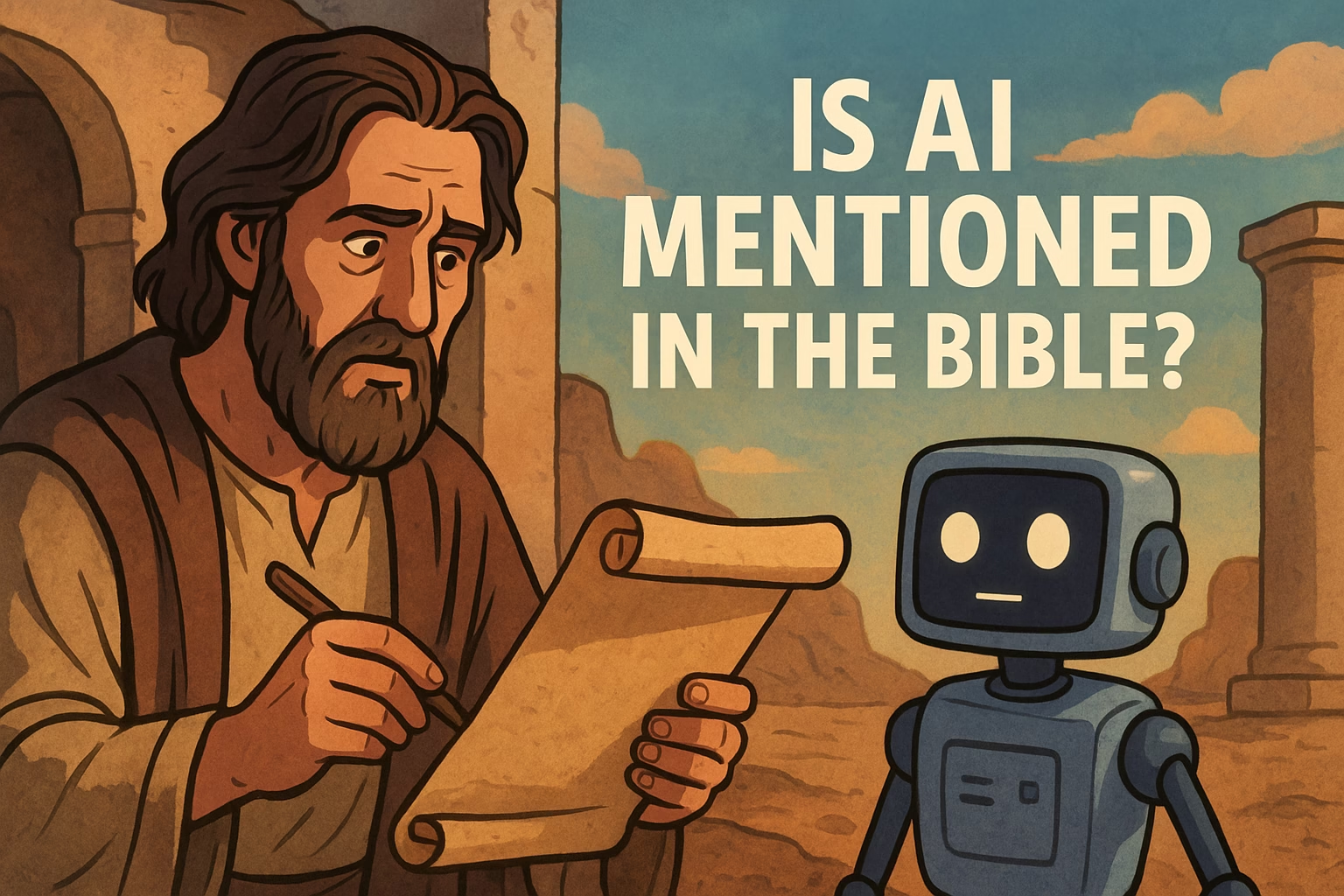
The question of whether artificial intelligence (AI) is mentioned in the Bible can lead to intriguing discussions about technology, humanity, and divine creation. As we delve into this topic, it is essential to clarify that the Bible does not explicitly mention AI as we understand it today. However, there are various scriptures that touch on themes of knowledge, wisdom, and the nature of creation, which can provide insight into the relationship between humanity and technology.
To explore this further, we will examine relevant biblical passages and concepts that may relate to the idea of artificial intelligence and its implications for humanity. While the Bible does not reference AI directly, it does provide foundational principles that can be applied to our understanding of this modern phenomenon.
The Nature of Knowledge and Wisdom
The Bible emphasizes the importance of knowledge and wisdom, which are crucial elements in the development of AI. In Proverbs 1:7, it states, “Fear of the Lord is the foundation of true knowledge, but fools despise wisdom and discipline” (NLT). This verse suggests that true understanding begins with a reverence for God, contrasting the pursuit of knowledge without moral grounding.
In the context of AI, this raises questions about the motivations behind creating intelligent machines. Are we seeking knowledge to serve humanity and glorify God, or are we pursuing it for our own selfish desires? The pursuit of wisdom in the development and application of AI should be guided by ethical considerations that reflect biblical principles.
The Creation of Humanity
Another relevant aspect is the biblical account of creation. In Genesis 1:26-27, God creates humanity in His image, stating, “Let us make human beings in our image, to be like us” (NLT). This unique status implies that humans possess qualities such as creativity, reasoning, and the ability to make moral choices. As we create AI, we must consider that while machines can mimic certain aspects of human intelligence, they lack the spiritual and moral dimensions that define humanity.
Furthermore, Genesis 2:7 describes how God breathed life into man, making him a living being. This divine act of giving life highlights the distinction between the Creator and His creations. Even the most advanced AI lacks the essence of life and spirit that is inherent in humans. Thus, while AI can perform tasks and analyze data, it cannot replicate the full complexity of human experience.
The Role of Technology in Society
The Bible also addresses the use of technology and its impact on society. In the story of the Tower of Babel (Genesis 11:1-9), humanity comes together to build a tower that reaches the heavens, driven by pride and ambition. God intervenes by confusing their language, leading to the scattering of people across the earth. This narrative serves as a cautionary tale about the potential consequences of human innovation without divine guidance.
When considering AI, we must reflect on whether our advancements are contributing positively to society or leading to division and ethical dilemmas. The ambition to create intelligent machines should be tempered by humility and a desire for the common good, rather than self-exaltation.
The Ethical Implications of AI
The ethical implications surrounding AI are significant and should not be overlooked. The Bible provides guidance on how we should treat others and make decisions. In Matthew 22:39, Jesus teaches, “You must love your neighbor as yourself” (NLT). This commandment calls us to consider the well-being of others in all aspects of our lives, including the development and implementation of technology.
As AI increasingly becomes part of our daily lives, we must ensure that its applications are aligned with this principle. Issues such as privacy, job displacement, and the potential for misuse of AI technology are critical considerations. The biblical mandate to love and serve others should guide our approach to these challenges, prompting us to seek solutions that uplift rather than harm.
The Future and Divine Sovereignty
Finally, we must recognize that the future of technology, including AI, is ultimately within God’s sovereign control. In Isaiah 46:10, God declares, “Only I can tell you the future before it even happens” (NLT). This verse reassures believers that, regardless of human advancements, God remains in charge of the unfolding of history.
This truth can provide comfort as we navigate the complexities of AI and its implications for society. While we may strive to create and innovate, we must remember that our efforts are subject to God’s will. Trusting in His sovereignty can help alleviate fears about the potential consequences of our technological pursuits.
In summary, while AI is not explicitly mentioned in the Bible, the scriptures offer valuable insights into the nature of knowledge, the role of humanity, and the ethical considerations we must address as we engage with technology. As we continue to explore these themes, we can draw from biblical wisdom to guide our understanding and application of artificial intelligence in a manner that honors God and serves humanity.
The Relationship Between Creation and Innovation
In Genesis, the narrative of creation emphasizes that God is the ultimate creator, and everything He made was good. As humans, we are made in His image, which suggests that we also possess the ability to create. This divine aspect of creativity can be seen in our development of technologies, including AI. However, the Bible warns against the hubris that can accompany human innovation. Ecclesiastes 3:11 states that God “has made everything beautiful in its time.” This implies that while we are called to innovate, we must do so within the framework of God’s timing and purpose.
As we create AI, we should ask ourselves how our innovations reflect God’s creation. Are we enhancing life, or are we creating tools that could lead to negative consequences? The biblical perspective encourages us to ensure that our creations serve to uplift humanity rather than diminish it. This aligns with the concept of stewardship found in Genesis, where humanity is tasked with taking care of the earth and all its inhabitants.
Human Responsibility in the Age of AI
With the rise of AI technology, the responsibility of humans becomes even more pronounced. The Bible speaks to the importance of accountability in our actions. Romans 14:12 reminds us that “each of us will give an account of ourselves to God.” This principle extends to the development and application of AI. As creators, we must consider how our actions will impact others and the moral implications of the technologies we produce.
In this light, the ethical development of AI is not merely a technical challenge but a moral one. We are called to engage with AI in a way that reflects our values and beliefs. This might mean advocating for transparency in AI algorithms, ensuring fairness in AI decision-making processes, and prioritizing the welfare of individuals over profits. The biblical mandate to love our neighbors should guide these efforts, ensuring that technology serves humanity as a whole.
The Quest for Understanding and Discernment
The Bible encourages believers to seek understanding. Proverbs 4:7 states, “Getting wisdom is the wisest thing you can do! And whatever else you do, develop good judgment.” This pursuit of wisdom is particularly relevant in the context of AI, where rapid advancements can lead to ethical dilemmas and unforeseen consequences. As Christians, we are called to engage critically with technology, seeking to understand its implications and how it aligns with our faith.
Moreover, the discernment mentioned in scriptures like James 1:5, which encourages believers to ask God for wisdom, can be applied to our interactions with AI. As we navigate the complexities of this technology, seeking divine guidance can help us make decisions that reflect our values and serve the greater good. This spiritual approach to understanding technology can foster a deeper relationship with God while ensuring that our innovations align with His will.
The Impact of AI on Community and Relationships
As AI continues to permeate various aspects of life, it is essential to consider its impact on community and relationships. The Bible emphasizes the importance of fellowship and connection among believers. Hebrews 10:24-25 encourages Christians to “consider how we may spur one another on toward love and good deeds, not giving up meeting together.” The rise of AI may alter how we interact, potentially leading to isolation or a lack of genuine connections.
In this context, we must be vigilant about how AI is integrated into our lives. While technology can enhance communication, it should not replace the need for personal interaction. As Christians, we are called to foster relationships that reflect Christ’s love, and this may require deliberate choices about how we use AI in our daily lives. Balancing technological advancements with the biblical call to community is essential for maintaining healthy relationships.
Embracing Hope Amid Technological Change
As we consider the implications of AI, it is vital to approach the subject with a sense of hope. The Bible assures us that God has a plan for humanity, even amid uncertainty. Jeremiah 29:11 states, “For I know the plans I have for you,” declares the Lord, “plans to prosper you and not to harm you, plans to give you hope and a future.” This message of hope can inspire us as we navigate the challenges and possibilities presented by AI.
Instead of fearing the changes that AI may bring, we can choose to embrace them with a spirit of optimism. By aligning our technological pursuits with biblical principles, we can contribute positively to society and the world. This hope is rooted in the belief that God is ultimately in control, guiding our efforts for His glory and the good of humanity.
Conclusion: The Christian Perspective on AI
In conclusion, while artificial intelligence is not explicitly mentioned in the Bible, the scriptures provide profound insights into the ethical, moral, and spiritual implications of technology. The themes of creation, human responsibility, the pursuit of wisdom, and the importance of community all resonate strongly with the challenges posed by AI. As Christians, we are called to approach these advancements with discernment, ensuring that our innovations reflect God’s character and serve humanity. By grounding our understanding of AI in biblical wisdom, we can navigate the complexities of this technology in a way that honors God and promotes the well-being of others.
For further exploration of how technology intersects with faith, consider reading about the ethical implications of modern technology and the Christian response to technological advancements.