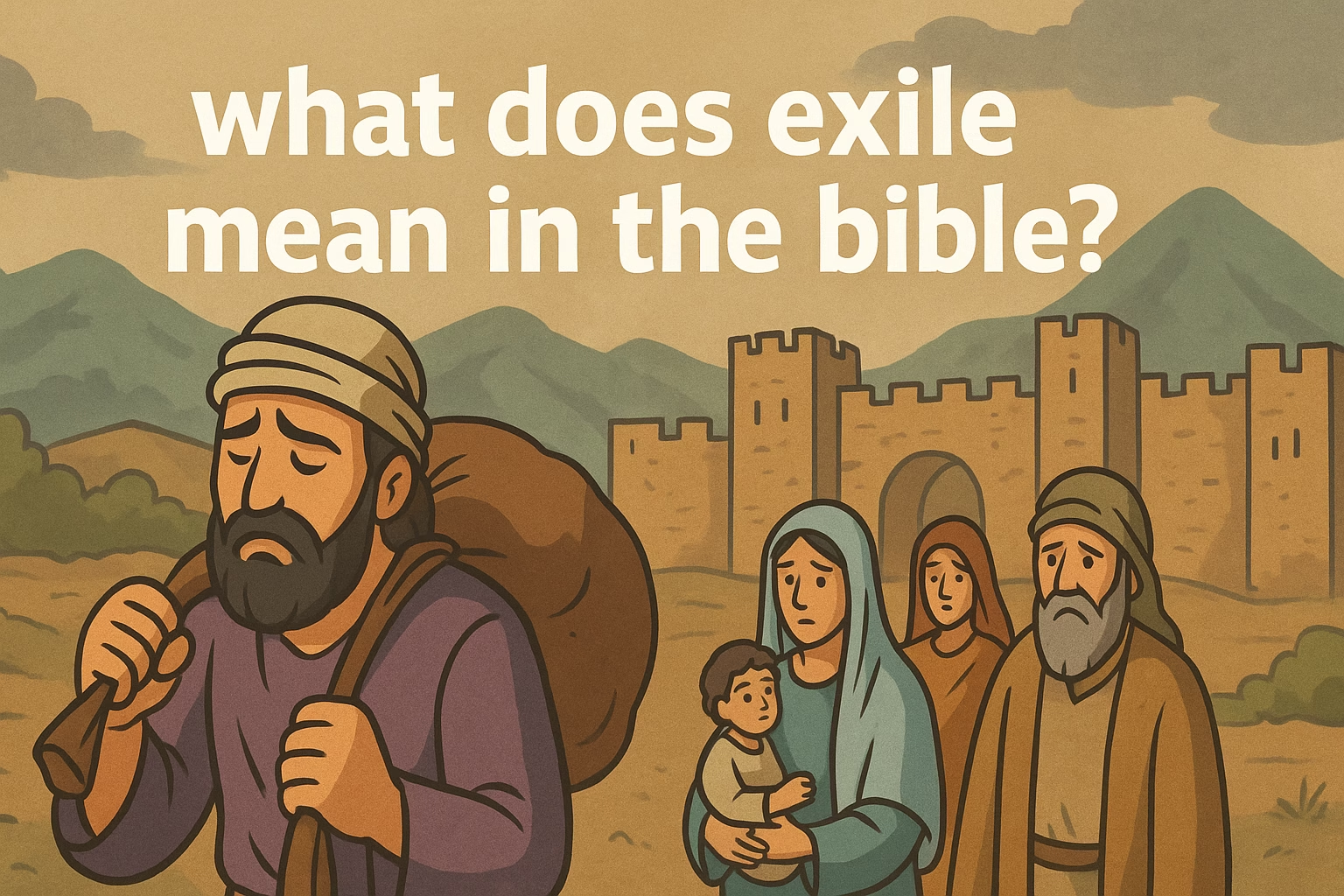
Exile is a significant theme in the Bible that carries deep spiritual and historical implications. It refers to a state of being removed from one’s homeland or place of belonging, often as a result of punishment or conflict. This concept can be seen throughout both the Old and New Testaments, where it serves as a backdrop for understanding the relationship between God and His people.
In biblical terms, exile often symbolizes separation from God and the consequences of sin. It reflects not only a physical displacement but also a spiritual estrangement. Understanding exile in the Bible involves examining key events, figures, and the broader theological meanings behind these experiences.
The Historical Context of Exile
Historically, exile was a common consequence for nations and individuals who turned away from God. The most notable example is the Babylonian Exile, which occurred in the 6th century BCE. The Kingdom of Judah was conquered by the Babylonians, and many Israelites were forcibly taken to Babylon. This event is described in books like 2 Kings and Jeremiah, where the prophets warned of impending judgment due to the people’s disobedience.
During this time, the Israelites faced immense suffering. They were removed from their land, their temple was destroyed, and they struggled to maintain their identity and faith in a foreign land. The psalmist captures this sense of loss in Psalm 137, where he writes about sitting by the rivers of Babylon and weeping as he remembers Zion.
Exile as Spiritual Consequence
Exile is not just a physical state but also a spiritual condition. Throughout the Scriptures, the theme of exile illustrates the consequences of sin and the longing for reconciliation with God. The Israelites’ exile was a direct result of their unfaithfulness and idolatry. This is emphasized in the prophetic writings, where God, through His prophets, calls His people to repentance and warns them of the consequences of their actions.
“But if you turn away from me and refuse to listen to me, I will turn away from you and make you a spectacle and a joke among the nations.” (Leviticus 26:14, NLT)
This passage underscores the connection between disobedience and the experience of exile. The Israelites faced exile as a judgment, but it also served as a means for them to reflect on their relationship with God and to seek restoration.
Exile in the New Testament
While the concept of exile is more pronounced in the Old Testament, it continues to resonate in the New Testament. Jesus Himself experienced a form of exile when His family fled to Egypt to escape King Herod’s decree to kill infants in Bethlehem (Matthew 2:13-15). This flight into Egypt reflects the theme of being displaced, even in the early life of Christ.
Moreover, the New Testament writers often use the imagery of exile to describe the Christian experience. In 1 Peter 2:11, believers are referred to as “foreigners and exiles” in the world. This designation highlights the idea that Christians are not ultimately at home in this world but are awaiting a future hope in God’s kingdom.
Theological Implications of Exile
The theme of exile carries important theological implications. It serves as a reminder of humanity’s brokenness and the need for redemption. Exile illustrates the consequences of sin but also points towards hope and restoration. Throughout the Bible, God promises to bring His people back from exile, both physically and spiritually.
In the Old Testament, the prophetic books often speak of a future restoration. For instance, Isaiah speaks of a time when God will gather His people back to their land, offering them comfort and hope (Isaiah 40:1-2). This promise is fulfilled in part through the return from Babylonian exile, but it also foreshadows the ultimate restoration that comes through Christ.
In the New Testament, the concept of exile shifts towards the hope of eternal life. Believers are reminded that their true citizenship is in heaven (Philippians 3:20). This perspective helps Christians navigate the challenges of life on earth, understanding that they are part of a larger narrative that leads to ultimate redemption.
Exile and the Call to Faithfulness
Exile serves as a call to faithfulness for believers. Just as the Israelites were called to remain faithful to God during their time in Babylon, Christians are encouraged to live out their faith in a world that often opposes their values. The experience of exile can strengthen one’s faith, prompting deeper reliance on God and a commitment to His promises.
For instance, the book of Daniel illustrates how faith can thrive even in exile. Daniel and his friends maintained their commitment to God despite the pressures of Babylonian culture. Their stories demonstrate that even in the most challenging circumstances, faithfulness can lead to divine favor and influence.
In conclusion, the concept of exile in the Bible encompasses historical, spiritual, and theological dimensions. It highlights the consequences of sin, the longing for restoration, and the call to remain faithful amidst trials. As we explore this theme further, we will delve into specific biblical narratives and their implications for understanding exile in the context of God’s redemptive plan.
The Role of Exile in Biblical Narratives
Exile serves as a pivotal backdrop in several key biblical narratives, shaping the experiences of both individuals and communities. These stories illustrate not only the physical dislocation but also the emotional and spiritual turmoil that accompanies exile. For example, the story of Joseph in Genesis reflects a form of exile—being sold into slavery and taken far from his family in Canaan. While Joseph’s circumstances were dire, his eventual rise to power in Egypt highlights themes of perseverance, divine providence, and redemption. This narrative shows that exile can lead to unexpected blessings and fulfill God’s larger purposes.
Another significant narrative is that of the Israelites during the Babylonian Exile. The prophetic literature, particularly in Ezekiel and Jeremiah, emphasizes the pain of separation from their homeland and the temple, which was the center of their worship. This separation was not just a physical distance but also a spiritual void that made them feel abandoned by God. Yet, these texts also convey messages of hope and promise, indicating that God would restore His people. The prophetic call to seek the welfare of the city where they were exiled (Jeremiah 29:7) further illustrates how God’s people are to engage with their surroundings, even in times of hardship.
Lessons from Exile
Throughout the Bible, exile teaches several important lessons about faith, identity, and reliance on God. One of the primary lessons is that exile can be a time for self-reflection and spiritual growth. In their exile, the Israelites were forced to confront their past disobedience and recommit to their covenant with God. This period of hardship often leads to a renewed understanding of faith and dependence on God’s grace.
Another lesson is the significance of community during times of exile. The Israelites maintained their identity through collective worship, prayers, and shared memories of their homeland. This communal aspect is critical for those experiencing exile today, whether physically, emotionally, or spiritually. The support of a faith community can provide strength and encouragement, reminding individuals of God’s promises and the hope of restoration.
The Broader Implications of Exile in Christian Life
In the Christian context, exile also reflects the believer’s journey in a world that often contradicts their values and beliefs. The New Testament encourages Christians to view their earthly lives as temporary, aligning with the understanding that they are citizens of a heavenly kingdom. This perspective invites believers to live with purpose, knowing that their ultimate home is with God.
Furthermore, the concept of exile can encourage social action and justice. Just as the Israelites were called to seek the welfare of Babylon, Christians today are challenged to engage with and serve their communities, advocating for those who are marginalized or displaced. This engagement reflects the heart of God, who cares deeply for the oppressed and the alien.
Exile and Biblical Prophecy
Prophetic literature in the Bible often uses the theme of exile to convey messages of judgment and hope. The prophets spoke boldly against the injustices and idolatry of the people, warning them of the consequences that would follow. Yet, they also provided assurance of God’s faithfulness and the promise of restoration. For instance, the book of Isaiah is filled with imagery of comfort and hope for a future return from exile, highlighting God’s desire to restore His people to their rightful place.
Additionally, the prophetic voices also point towards the ultimate fulfillment of God’s redemptive plan through Jesus Christ. The New Testament writers often reflect on how Christ embodies the hope of restoration, fulfilling the prophecies concerning exile and redemption. This connection underscores the continuity of God’s plan throughout Scripture, revealing that exile is not the end but a part of a larger narrative that leads to reconciliation with God.
Reflecting on Personal Exile
For many believers today, the theme of exile can resonate on a personal level. Whether it is through feelings of isolation, struggles with sin, or facing societal rejection, individuals may experience their own forms of exile. Reflecting on these experiences can lead to deeper understanding and intimacy with God. Questions such as “What areas of my life feel exiled from God?” or “How can I seek God’s presence in my current struggles?” can guide personal exploration and growth.
Moreover, understanding exile encourages believers to foster resilience and faithfulness in the face of adversity. The stories of those who have endured exile throughout Scripture serve as powerful reminders that God is present even in our most challenging moments. The call to remain faithful, to seek God in prayer, and to rely on His promises can transform the experience of exile into a profound journey of faith.
Conclusion: The Transformative Power of Exile
Exile in the Bible is a multifaceted theme that encompasses historical, spiritual, and theological dimensions. It serves as a powerful reminder of the consequences of sin, the longing for restoration, and the call to live faithfully in a world that may feel foreign. As believers navigate their own experiences of exile, they are encouraged to find hope in God’s promises, engage with their communities, and reflect on the transformative power of faith. Ultimately, exile is not just a story of loss but a testament to God’s unwavering commitment to restore His people and fulfill His redemptive plan.
descriptive anchor text and descriptive anchor text provide further insights into the themes of exile and restoration in the Bible, helping to deepen understanding of this complex topic.