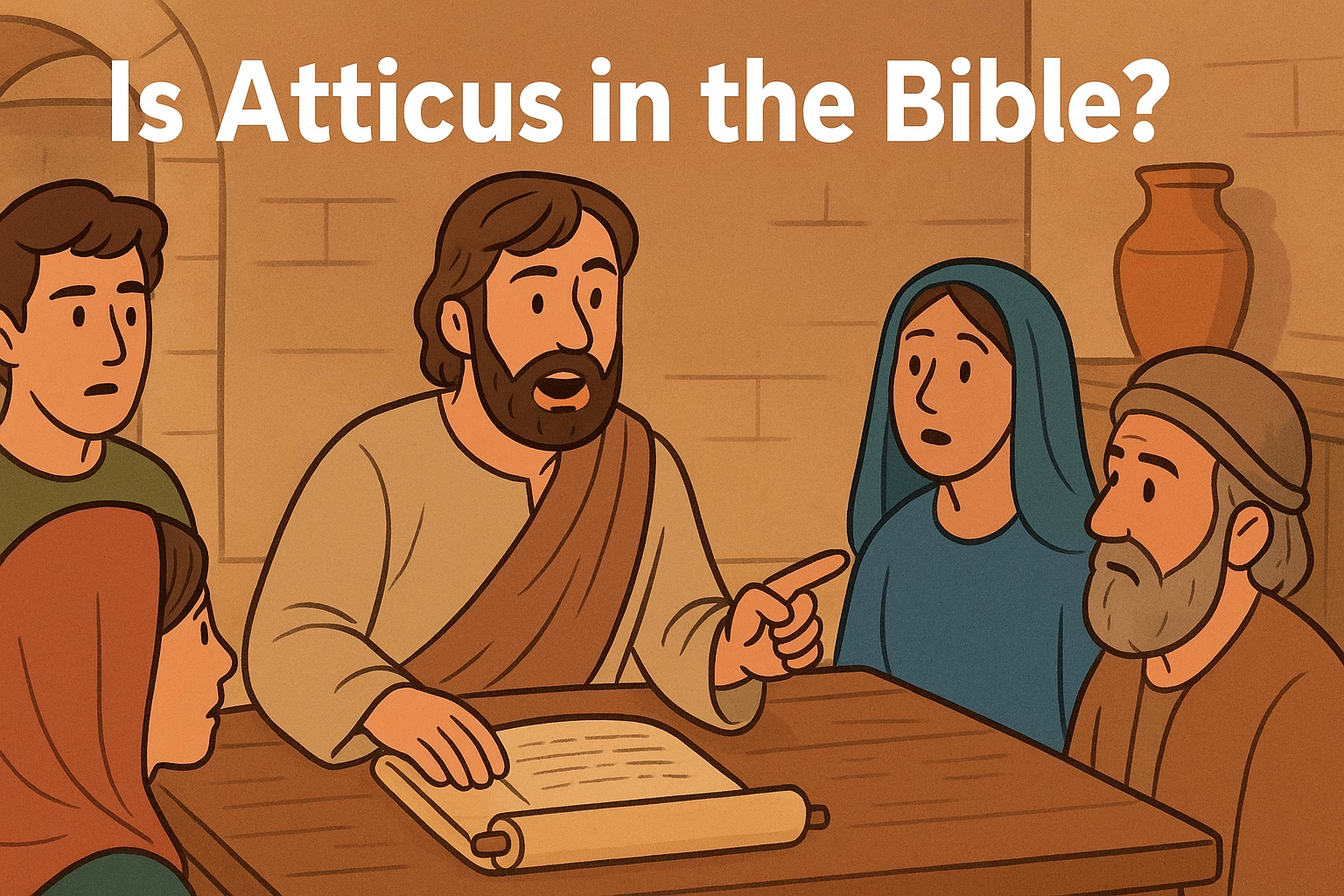
The question of whether Atticus appears in the Bible is intriguing, as it touches on the intersection of literature and scripture. Many people may associate the name Atticus with Atticus Finch, a character from Harper Lee’s classic novel “To Kill a Mockingbird.” However, in the context of the Bible, the name does not appear in the canonical texts.
While Atticus is not a biblical figure, exploring the name’s historical and cultural significance can provide insights into its absence from scripture. This article will delve into the background of the name, examine similar names found in the Bible, and discuss the broader context of biblical characters to clarify the distinction.
Understanding the Name Atticus
The name Atticus is of Greek origin, meaning “man of Attica,” which refers to the region surrounding Athens. Historically, the name has been associated with several notable figures, including a Roman senator and a prominent literary character. However, the Bible primarily contains Hebrew, Aramaic, and Greek names that reflect the cultures and languages of the people it describes.
In the New Testament, particularly, we see a range of Greek names. For example, names like Peter (from the Greek “Petros”), Paul (from the Latin “Paulus”), and Timothy (from the Greek “Timotheos”) are prevalent. While Atticus is not included among these names, it is helpful to understand how Greek names were used in the early church, as they often reflected the cultural context of the time.
Biblical Figures with Similar Names
While Atticus does not appear in the Bible, there are figures with names that carry a similar linguistic or cultural resonance. One such name is “Titus,” who is a significant character in the New Testament. Titus was a companion of Paul and is mentioned in several letters, including the Book of Titus, where Paul writes to him about church leadership and sound doctrine.
Another name worth mentioning is “Silas.” He was a companion of Paul on missionary journeys and played a crucial role in spreading the gospel. These figures demonstrate how certain Greek names were common in the early Christian community, but Atticus was not among them.
The Context of Names in the Bible
Names in the Bible often carry deep meanings and are reflective of the character’s role or significance. For instance, the name “Isaac,” meaning “laughter,” signifies the joy of Abraham and Sarah at having a son in their old age. Similarly, “Moses,” whose name means “to draw out,” reflects his role in leading the Israelites out of Egypt.
In contrast, the absence of Atticus from the biblical narrative suggests that it did not hold the same significance or relevance within the context of biblical events and teachings. The early church had specific names that were meaningful in their cultural context, and Atticus simply did not make that list.
Exploring the New Testament for Clarity
To further clarify the question, we can look at the specific letters and accounts in the New Testament where names are mentioned. The Apostle Paul, for example, wrote letters to various churches and individuals, including the Corinthians, Galatians, and Ephesians. Each of these letters contains references to individuals who played a role in the early church, but Atticus is absent from these accounts.
In 2 Timothy 4:10, Paul mentions Demas, who deserted him, and in Acts 15:22, we find references to Judas and Silas. Each of these names has a significant role in the narrative of early Christianity, but once again, Atticus is not among them.
The Role of Tradition and Interpretation
When discussing biblical names and figures, it is essential to differentiate between what is explicitly stated in scripture and what may arise from tradition or interpretation. While some might argue that the absence of Atticus could imply a deeper theological meaning or a hidden significance, it is crucial to base our understanding on the texts themselves rather than conjecture.
Tradition often plays a role in how we perceive biblical stories and characters. However, the name Atticus does not have a historical or scriptural basis within the Bible. Instead, it is more associated with literary works and historical figures outside the biblical narrative.
Conclusion on Atticus in the Bible
In summary, the name Atticus is not found in the Bible, and its absence is consistent with the broader context of biblical names and characters. While there are many significant figures in both the Old and New Testaments, Atticus does not appear as one of them. Understanding the cultural and linguistic backdrop of biblical names helps clarify why certain names are present while others, like Atticus, are not.
The Cultural Impact of the Name Atticus
Although Atticus is not a biblical figure, its cultural resonance deserves attention. The character Atticus Finch from “To Kill a Mockingbird” embodies moral integrity and a commitment to justice, themes that align with Christian teachings. His character reflects the struggle for righteousness and compassion in a flawed world, which can lead to meaningful discussions about how such values are portrayed in both literature and scripture.
Atticus Finch’s commitment to doing what is right, regardless of societal pressures, mirrors the biblical call to stand firm in faith and act justly. This raises questions about the role of personal integrity in one’s spiritual journey and how individuals can emulate Christ-like behavior in their daily lives.
Names and Their Theological Significance
Names in the Bible often carry theological significance, reflecting the character’s purpose or divine calling. For example, the name “Jesus” means “God saves,” emphasizing His mission on earth. In contrast, the absence of Atticus in the biblical narrative suggests a lack of specific relevance to the themes of salvation and divine purpose that are central to Christian theology.
Theological discussions around names also highlight the importance of understanding one’s identity in Christ. Believers are often encouraged to find their identity not in worldly titles but in their relationship with God. This can lead to reflections on how modern names, including Atticus, might be viewed differently in a faith context compared to their literary or historical connotations.
Exploring Other Non-Biblical Figures
While exploring the name Atticus, it is beneficial to consider other non-biblical figures who have influenced Christian thought or culture. For example, characters from literature or history can offer moral lessons that resonate with biblical principles. Figures like Atticus Finch can serve as modern-day parables, prompting discussions about ethics, courage, and the pursuit of justice.
Consider how stories from outside the Bible can illuminate biblical truths. For instance, the ethical dilemmas faced by characters in literature can parallel the moral decisions presented in scripture, providing a platform for deeper exploration of faith and character development. This interplay between literature and scripture can enrich one’s understanding of Christian principles.
Engaging with the Absence of Atticus
The absence of Atticus from biblical texts can also prompt introspection and discussion among believers. Why might certain names and figures be included in scripture while others are not? This question encourages deeper engagement with the biblical narrative and invites exploration of how God communicates through His chosen individuals.
Furthermore, the question of representation in scripture can lead to broader discussions about diversity and inclusion within the church. The Bible includes a variety of characters from different backgrounds, each playing a unique role in God’s plan. Reflecting on the absence of figures like Atticus may inspire believers to consider how they can ensure that all voices are heard and valued in their communities.
Follow-Up Questions for Reflection
As we conclude our examination of the name Atticus and its absence from the Bible, several questions arise that can foster further reflection:
- What can we learn from the absence of certain names in scripture about God’s purpose and the individuals He chooses to highlight?
- How do modern stories and characters reflect or challenge biblical values?
- In what ways can we embody the moral integrity seen in literary figures within our own communities?
- How does understanding the cultural significance of names enhance our reading of scripture?
Such questions can lead to meaningful discussions among believers and can inspire deeper study of both the Bible and the narratives that shape our cultural understanding.
Conclusion: The Legacy of Atticus Beyond the Bible
Ultimately, while Atticus does not appear in the Bible, the character’s legacy in literature offers valuable lessons that resonate with Christian values. The exploration of names, their meanings, and their cultural contexts enriches our understanding of scripture and encourages us to seek the moral truths that transcend both biblical and literary narratives. As believers reflect on the principles embodied by characters like Atticus Finch, they can find inspiration to live out their faith with integrity and purpose.
For further exploration of biblical names and their meanings, you can read more about the significance of names in the Bible and how they relate to our understanding of faith. Additionally, you might find it interesting to learn about the role of literature in shaping Christian values and how stories can influence our spiritual journeys.