The story of King Herod is a significant part of the New Testament, particularly surrounding the events of Jesus’ birth and the early years of His life. Herod the Great, who ruled from 37 BC to 4 BC, is often remembered for his ruthless actions and his role in the biblical narrative. This article will explore the life and eventual fate of King Herod as depicted in the Bible, drawing on key passages and historical context.
King Herod’s reign is marked by political intrigue, ambitious building projects, and tragic events, especially surrounding the birth of Jesus. His actions led to a series of events that have been recorded in the Gospels, culminating in his death and its implications. To understand what happened to King Herod, we will delve into his life, his interactions with Jesus, and the biblical accounts of his demise.
Herod’s Early Life and Rise to Power
Herod was born into a politically connected family in Idumea (modern-day southern Judea). His father, Antipater the Idumean, served as an advisor to Julius Caesar, which helped the family gain prominence. Herod’s rise to power began when he was appointed governor of Galilee at a young age. His political acumen and ruthlessness allowed him to secure his position, eventually leading to his kingship.
In 37 BC, with the support of the Roman Senate, Herod was declared king of Judea. His reign was marked by significant architectural achievements, including the expansion of the Second Temple in Jerusalem, which became a symbol of Jewish pride. Despite his accomplishments, Herod’s rule was characterized by paranoia and brutality, often leading to the execution of rivals and even family members.
The Birth of Jesus and Herod’s Decree
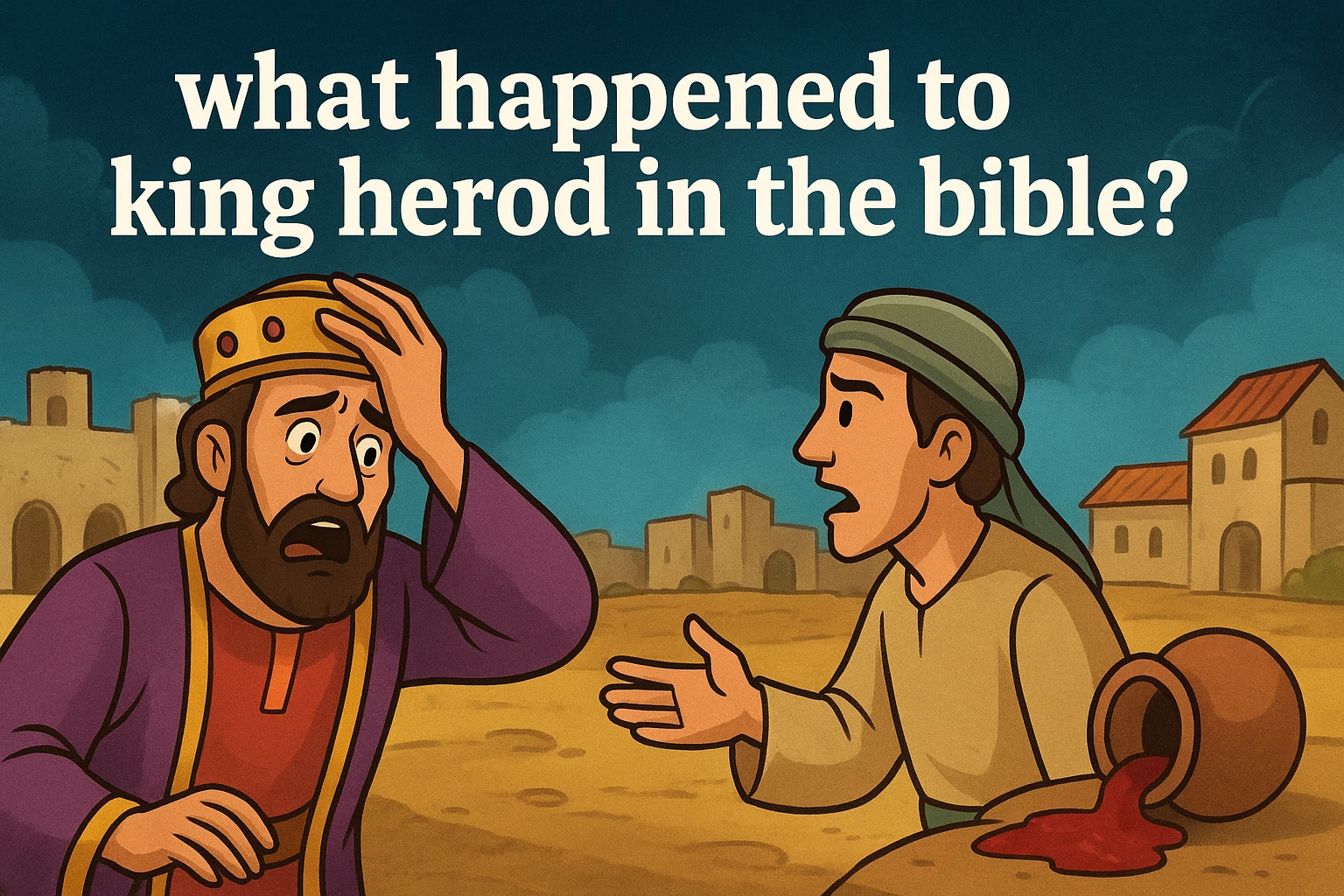
The most notable biblical account involving King Herod is found in the Gospel of Matthew. According to Matthew 2:1-16, after the birth of Jesus in Bethlehem, wise men from the East came to Jerusalem, seeking the newborn king. Herod, feeling threatened by the prophecy of a new king, summoned the wise men and asked them to find the child so he could worship Him. However, the wise men were warned in a dream not to return to Herod and went home another way.
Realizing he had been deceived, Herod ordered the massacre of all boys in Bethlehem who were two years old and younger, an event known as the Massacre of the Innocents. This brutal act was an attempt to eliminate the perceived threat to his throne. However, Joseph, the earthly father of Jesus, was warned in a dream to flee to Egypt with Mary and Jesus, allowing them to escape Herod’s deadly decree (Matthew 2:13-15).
Herod’s Later Life and Death
Herod continued to rule Judea with an iron fist until his death, which is estimated to have occurred in 4 BC. His later years were marked by illness and paranoia. Various historical accounts suggest that he suffered from several ailments, including kidney disease and possibly gangrene. The historian Josephus describes Herod as being plagued by intense suffering as his health deteriorated.
In the biblical context, the Gospel of Matthew does not provide a detailed account of Herod’s death, but it emphasizes the consequences of his actions. After Herod’s death, an angel appeared to Joseph in a dream, instructing him to return to Israel with Mary and Jesus (Matthew 2:19-21). This return symbolizes the end of Herod’s tyrannical reign and the beginning of Jesus’ public life.
Herod’s Legacy and Historical Context
Herod the Great’s legacy is complex. While he is remembered for his architectural achievements and efforts to modernize Judea, his brutal methods of maintaining power overshadow these accomplishments. His actions, particularly the massacre of innocent children, have cemented his reputation as a villain in the biblical narrative.
From a historical perspective, Herod’s reign was also significant in the context of Roman rule in Judea. His kingship represented a time when the Jewish people were under Roman authority, leading to tensions that would continue for decades. The events surrounding Jesus’ birth, including Herod’s decree, highlight the political and social turmoil of the time.
In summary, King Herod’s life was marked by ambition, brutality, and a relentless pursuit of power. His actions, particularly regarding the birth of Jesus, have left a lasting impact on Christian history. As we explore the second half of this article, we will delve deeper into the interpretations of Herod’s legacy and the theological implications of his actions in the biblical narrative.
Theological Implications of Herod’s Actions
The actions of King Herod, particularly the Massacre of the Innocents, prompt significant theological reflection within the Christian tradition. His ruthless pursuit of power and willingness to sacrifice innocent lives raises questions about the nature of evil and the human condition. How can a ruler, entrusted with the welfare of his people, commit such heinous acts? This dilemma invites believers to contemplate the presence of evil in the world and the consequences of sin.
From a Christian perspective, Herod’s actions serve as a stark contrast to the teachings of Jesus, who preached love, compassion, and forgiveness. This juxtaposition highlights the transformative message of the Gospel in the face of tyranny and oppression. Furthermore, Herod’s fear of losing power mirrors the spiritual struggle against the forces of darkness that seek to undermine God’s purposes. His story can be seen as a cautionary tale about the dangers of pride and the lengths to which one might go to protect their status.
Herod’s Role in the Narrative of Redemption
In the broader narrative of redemption, King Herod’s role cannot be overlooked. His actions inadvertently set the stage for the fulfillment of biblical prophecy concerning the Messiah. By attempting to eliminate Jesus, he unwittingly became part of the divine plan that would lead to Christ’s ultimate sacrifice and the salvation of humanity. This paradoxical aspect of Herod’s story reflects a recurring theme in Scripture: God can use even the most wicked intentions for His glory.
The flight of Joseph, Mary, and Jesus to Egypt not only serves as a fulfillment of prophecy but also symbolizes God’s protection over His Son. This divine intervention highlights the sovereignty of God, even in the midst of human wickedness. It suggests that while Herod acted out of fear and malice, God’s purposes would prevail, ultimately leading to the redemption of the world through Jesus Christ.
Historical Accounts and Interpretations
While the biblical account of Herod’s actions is primarily found in the Gospel of Matthew, other historical sources provide additional insights into his character and reign. The Jewish historian Flavius Josephus offers a detailed account of Herod’s life, including his political maneuvers and the paranoia that characterized his later years. Josephus describes Herod as a complex figure, combining both great ambition and deep insecurity. His fear of losing power drove him to commit acts of brutality against perceived threats, including members of his own family.
Josephus’s writings illuminate the historical context of Herod’s reign and the sociopolitical dynamics of Judea under Roman rule. His accounts suggest that Herod was not only a tyrant but also a ruler who sought to maintain stability in a turbulent political landscape. This complexity adds depth to the understanding of Herod’s motivations and the challenges he faced as a ruler.
Herod in Christian Tradition
Throughout Christian history, King Herod has often been portrayed as a symbol of tyranny and moral corruption. His legacy has been used in sermons and teachings to illustrate the dangers of unchecked power and the consequences of sin. In art and literature, Herod is frequently depicted as a menacing figure, embodying the opposition to God’s purposes.
Moreover, the story of Herod has inspired various interpretations and reflections within the Church. Some theologians emphasize the need for vigilance against the spirit of Herod in contemporary society, warning against the moral compromises that can arise from a desire for power and control. The narrative urges believers to stand firm in their faith and to resist the temptations that lead to actions contrary to the teachings of Christ.
Reflecting on Herod’s Legacy Today
The legacy of King Herod invites Christians to reflect on their own lives and the impact of their choices. His story serves as a reminder of the importance of humility, compassion, and a commitment to justice. In a world that often mirrors the political strife and moral dilemmas of Herod’s time, believers are called to be agents of change, promoting peace and love rather than fear and violence.
As we consider the implications of Herod’s actions, it is essential to ask ourselves how we can respond to the injustices present in our own society. What can we learn from Herod’s mistakes, and how can we ensure that our pursuit of power, influence, or authority does not lead us down a path of destruction? These questions challenge us to engage with our faith actively and to seek a deeper understanding of God’s will for our lives.
Conclusion: The Enduring Impact of King Herod
In conclusion, King Herod’s story is a powerful narrative that resonates through history and continues to provoke thought and discussion among Christians today. His life, marked by ambition, violence, and paranoia, serves as a cautionary tale about the dangers of allowing fear and pride to govern our actions. At the same time, the events surrounding his reign highlight God’s sovereignty and the assurance that His plans cannot be thwarted by human wickedness.
Ultimately, the legacy of King Herod reminds us of the importance of faithfulness to God’s calling and the need for compassion in our interactions with others. By reflecting on his story, we can draw valuable lessons about leadership, morality, and the transformative power of God’s grace in our lives.
For more insights into the biblical narrative and the significance of historical figures like King Herod, explore these articles: the impact of biblical prophecies and the life of Jesus in the context of His time.