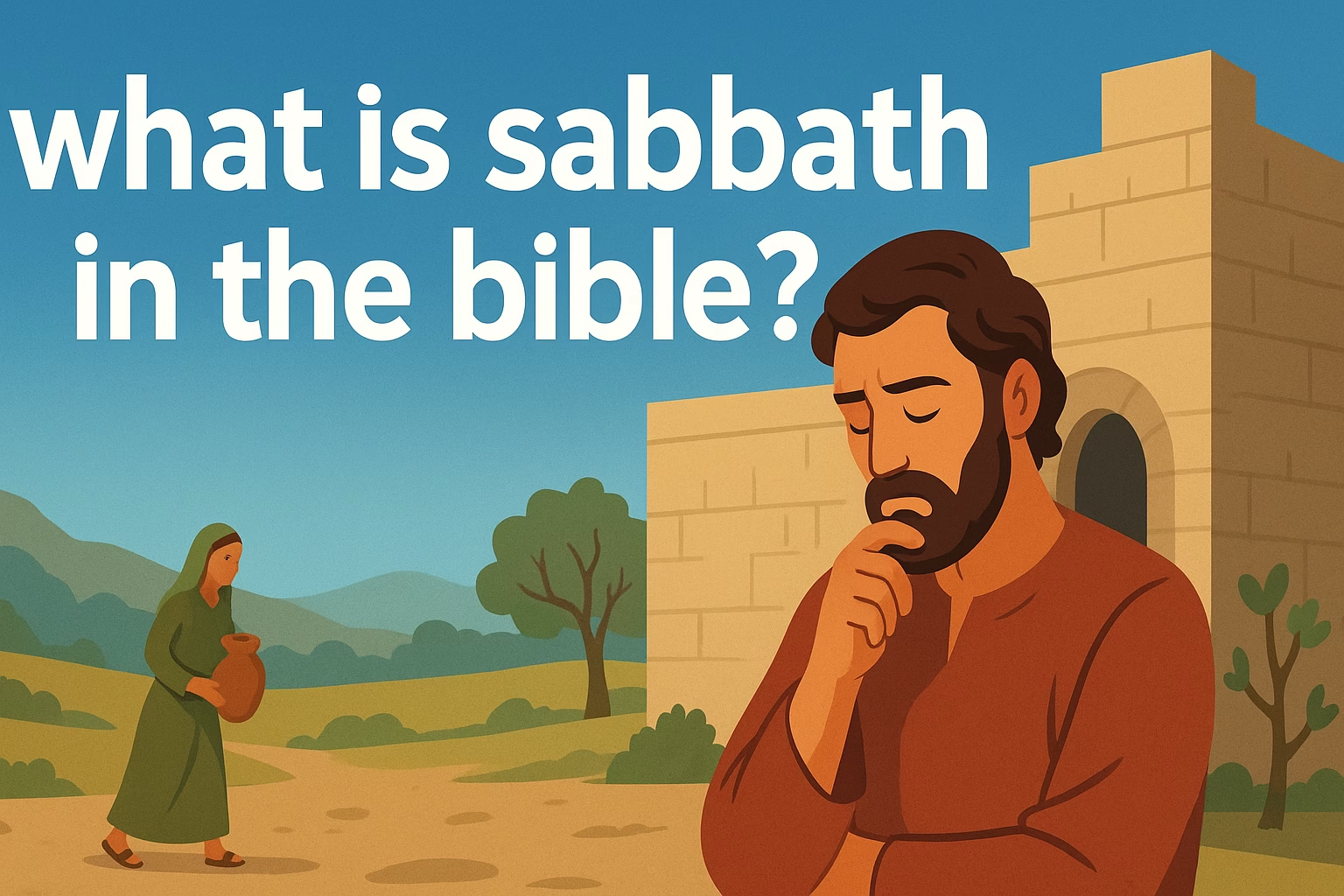
The concept of the Sabbath is a significant aspect of biblical teaching and has deep roots in both the Old and New Testaments. Understanding what the Sabbath is involves exploring its origins, significance, and the way it has been observed throughout history. This article will delve into these aspects, providing clarity on what the Sabbath means in the biblical context.
In the Bible, the Sabbath is primarily defined as a day of rest and worship, observed on the seventh day of the week. It is rooted in the creation account in Genesis and established as a commandment in the Law given to the Israelites. The Sabbath serves not only as a day of physical rest but also as a time for spiritual reflection and renewal.
Origins of the Sabbath
The origins of the Sabbath can be traced back to the creation narrative in Genesis. In Genesis 2:2-3, we read that God created the world in six days and rested on the seventh day. This day of rest was sanctified and set apart, establishing a pattern for humanity. The act of resting was not due to fatigue but rather a divine example of completion and satisfaction in creation.
The Sabbath is further emphasized in the Ten Commandments, found in Exodus 20:8-11. Here, God commands the Israelites to remember the Sabbath day and keep it holy. The commandment outlines specific instructions, such as ceasing from work and allowing others, including servants and animals, to rest. This reflects a broader principle of rest and restoration for all creation.
Significance of the Sabbath
The Sabbath holds profound significance for several reasons:
- Rest and Renewal: The Sabbath is a time to rest from the busyness of daily life. It provides an opportunity for physical rejuvenation and spiritual reflection. In Mark 2:27, Jesus states, “The Sabbath was made for man, not man for the Sabbath,” highlighting its purpose as a gift for humanity.
- Worship and Community: The Sabbath is also a day for communal worship and gathering. In Leviticus 23:3, God instructs the Israelites to hold sacred assemblies on the Sabbath. This fosters a sense of community and encourages believers to come together in worship and fellowship.
- Spiritual Reflection: The Sabbath invites individuals to reflect on their relationship with God. It is a time to pause, pray, and engage in spiritual practices that draw them closer to Him. In Isaiah 58:13-14, God invites His people to delight in the Sabbath and find joy in their relationship with Him.
Sabbath Observance in the Old Testament
In the Old Testament, the observance of the Sabbath was a critical aspect of Jewish life. The Israelites were commanded to cease from all work on this day. In Exodus 31:14, it is stated that those who profane the Sabbath shall be put to death, underscoring the seriousness of this commandment. The Sabbath was a sign of the covenant between God and Israel, a testament to their identity as His chosen people.
Throughout the Old Testament, we see various practices associated with the Sabbath, including special offerings and communal gatherings. In Nehemiah 10:31, the people commit to observing the Sabbath by refraining from trade and ensuring that no burdens are brought into the city on that day.
Jesus and the Sabbath
In the New Testament, Jesus’ relationship with the Sabbath is significant and sometimes controversial. He often challenged the rigid interpretations of the Sabbath laws held by the religious leaders of His time. For instance, in Matthew 12:1-8, Jesus and His disciples pick grain on the Sabbath, leading to criticism from the Pharisees. Jesus responds by emphasizing mercy over sacrifice and stating that He is “Lord of the Sabbath,” indicating that He has authority over its observance.
Jesus’ actions and teachings reveal that the Sabbath is not merely about legalistic observance but about the spirit of the law. In Mark 3:1-6, He heals a man on the Sabbath, demonstrating that doing good and showing compassion should take precedence over strict adherence to the rules.
The Sabbath in Christian Tradition
After Jesus’ resurrection, the early Christians began to gather for worship on the first day of the week, known as the Lord’s Day, in honor of His resurrection. This shift marked a significant development in the understanding of the Sabbath. While the traditional Jewish Sabbath was still observed, Christians began to emphasize the new covenant established through Christ.
The early church recognized the importance of rest and worship but interpreted it through the lens of Jesus’ life, death, and resurrection. The Book of Hebrews (4:9-10) speaks of a “Sabbath rest” that remains for the people of God, pointing to a spiritual rest that is found in Christ rather than strict adherence to the law.
In summary, the Sabbath in the Bible is a multifaceted concept encompassing rest, worship, and a reminder of God’s creative and redemptive work. It serves as a day set apart for physical and spiritual renewal, rooted in the creation narrative and developed through the teachings of Jesus. Understanding the Sabbath requires recognizing its historical context, its significance in the lives of believers, and the way it has evolved in Christian tradition.
Modern Observance of the Sabbath
In contemporary practice, the observance of the Sabbath varies significantly among different Christian denominations and cultural contexts. Some Christians continue to observe Saturday as the Sabbath, aligning with the Jewish tradition, while many others celebrate Sunday as their day of rest and worship. This diversity of practice reflects the ongoing evolution of Sabbath observance since the early church.
For many, Sunday is seen as a day to gather for worship services, engage in fellowship, and rest from daily labor. Churches often hold services that include singing, preaching, and communal prayers, fostering a sense of belonging and spiritual growth. These gatherings provide an opportunity for believers to reflect on their faith and encourage one another in their spiritual journeys.
Some Christians also emphasize the importance of setting aside time for family and personal reflection on the Sabbath. This can include activities such as reading Scripture, engaging in prayer, or simply enjoying nature. The key principle remains the same: to create space for rest and rejuvenation, both physically and spiritually.
Theological Reflections on the Sabbath
The theological implications of the Sabbath extend far beyond mere rest. The Sabbath serves as a reminder of God’s sovereignty over creation and His desire for humanity to find rest in Him. In a world that often glorifies busyness and productivity, the Sabbath invites believers to pause and recognize their dependence on God.
The concept of rest is woven throughout Scripture, symbolizing not just physical cessation from work but also spiritual rest. In Matthew 11:28-30, Jesus invites those who are weary to come to Him for rest, suggesting that true rest is found in a relationship with Him. This invitation highlights the Sabbath’s role as a foreshadowing of the ultimate rest believers find in Christ.
Moreover, the Sabbath has eschatological significance. It points to the future hope of eternal rest in God’s presence, as indicated in Revelation 14:13, where it is said that those who die in the Lord are blessed and will find rest from their labors. This connection between the Sabbath and the promise of eternal life serves as a source of comfort and encouragement for believers.
Challenges in Sabbath Observance
Despite the blessings that come with Sabbath observance, many Christians face challenges in practicing this principle in modern life. The fast-paced nature of contemporary society often leads to a culture of constant activity, making it difficult to prioritize rest. Work commitments, family obligations, and social pressures can all contribute to a sense of guilt or inadequacy for those trying to observe the Sabbath.
Additionally, differing interpretations of what constitutes appropriate Sabbath activities can create confusion. Some believers may struggle with legalism, feeling pressured to adhere strictly to certain rules, while others may lean toward a more relaxed understanding that prioritizes the spirit of rest without specific guidelines.
To navigate these challenges, many find it helpful to intentionally plan their Sabbath observance. Setting aside time for rest and worship can be a proactive approach, allowing individuals and families to create a rhythm of life that honors the Sabbath. This can involve establishing boundaries around work, engaging in activities that promote spiritual growth, and being mindful of how to use the day to deepen one’s relationship with God and others.
Meaningful Questions for Reflection
Engaging with the concept of the Sabbath invites deeper reflection on its significance in your life. Here are some questions to consider:
- How can I intentionally incorporate rest into my weekly routine?
- In what ways can I use the Sabbath to deepen my relationship with God and my community?
- What activities bring me joy and spiritual renewal on the Sabbath?
- How does understanding Jesus’ teachings about the Sabbath reshape my view of rest and worship?
- What steps can I take to overcome obstacles that prevent me from observing the Sabbath meaningfully?
Conclusion: The Enduring Gift of the Sabbath
Ultimately, the Sabbath is a profound gift from God, intended for the well-being of humanity. It is a day set apart for rest, worship, and reflection, providing a rhythm that counters the demands of everyday life. Understanding the Sabbath in its biblical context encourages believers to embrace the rest that God offers, both physically and spiritually.
As Christians navigate their own practices of Sabbath observance, it is essential to focus on the heart of the matter: finding rest in God and fostering relationships with others. By doing so, the Sabbath can transform from a mere tradition into a vital part of spiritual life, enriching the believer’s journey with peace, joy, and renewal.
To learn more about the biblical principles of rest and worship, check out these resources on Sabbath observance in Christianity and the significance of rest in the Bible.