
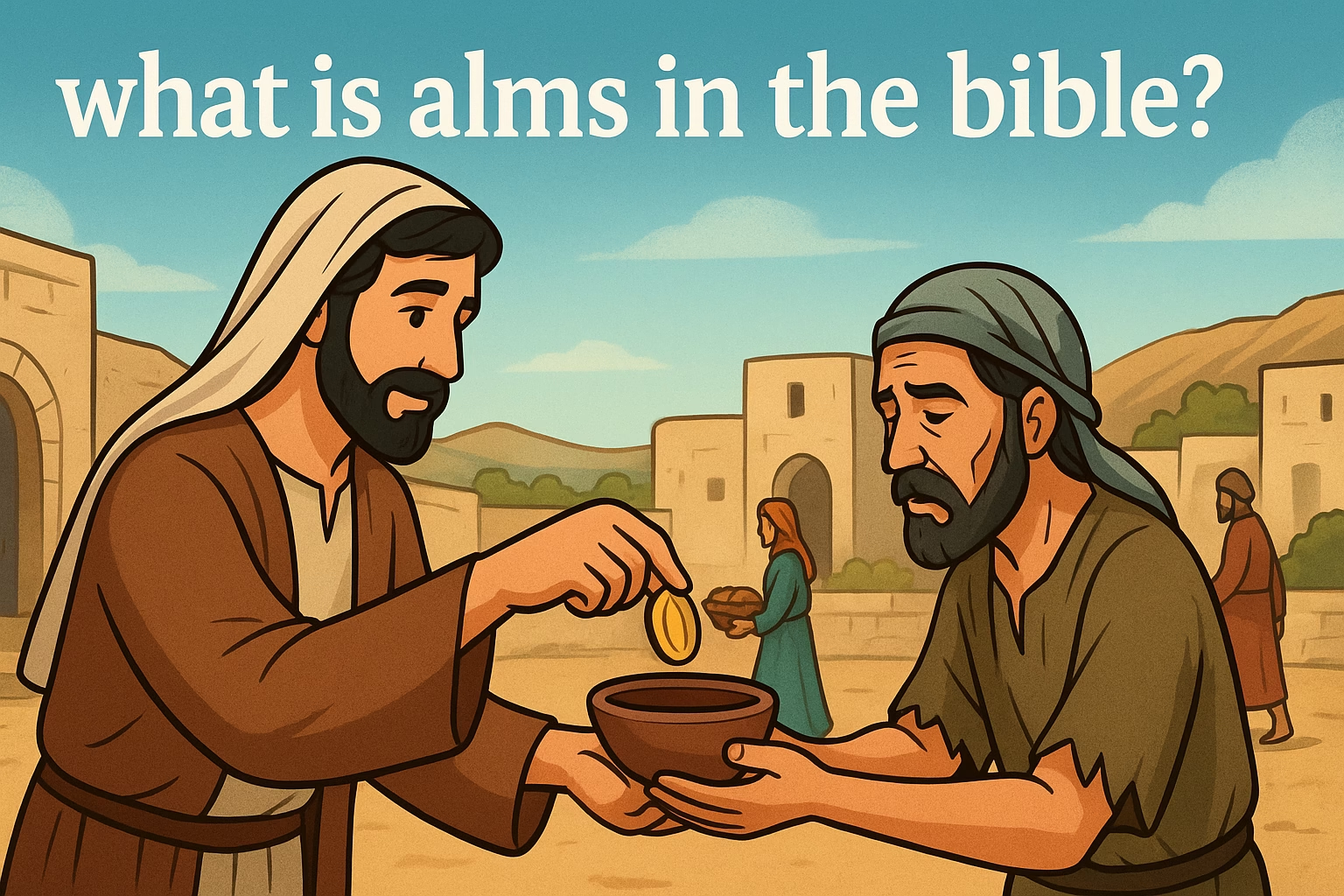
In the Bible, the concept of alms is deeply rooted in the teachings of generosity and compassion towards those in need. Almsgiving is not merely an act of charity; it is a vital expression of faith and obedience to God’s commandments. Understanding what alms are in the biblical context can illuminate how believers are called to care for the less fortunate and reflect God’s love in their communities.
Alms, derived from the Greek word “eleemosynē,” generally refer to charitable donations made to the poor, especially in the form of money or food. The practice is extensively mentioned in both the Old and New Testaments, emphasizing its importance in the life of a believer. Almsgiving is not only a social responsibility but also a spiritual discipline that reflects a heart aligned with God’s will.
The Biblical Foundation of Almsgiving
Almsgiving finds its roots in numerous biblical passages that emphasize care for the poor and needy. One of the foundational texts is found in the book of Deuteronomy. The Israelites were instructed to care for the poor among them:
“Give generously to the poor and do not be hardhearted when you do so. Remember that it is the Lord your God who gives you the ability to produce wealth.” (Deuteronomy 15:10-11, NLT)
This passage highlights that generosity is not just a good deed but a commandment from God. It underscores the responsibility of the faithful to provide for those in need as an act of obedience to God, who Himself is generous.
Almsgiving in the New Testament
In the New Testament, Jesus reinforces the importance of almsgiving in His teachings. He emphasizes that acts of charity should be done with a humble heart, not for the sake of public recognition. In the Sermon on the Mount, Jesus teaches:
“When you give to someone in need, don’t do as the hypocrites do, blowing trumpets in the synagogues and streets to call attention to their acts of charity. I tell you the truth, they
The Spiritual Significance of Almsgiving
Almsgiving holds profound spiritual significance in the biblical narrative. It serves as a tangible expression of one’s faith and commitment to living out the principles of love and compassion. By giving alms, believers not only assist those in need but also cultivate a heart of generosity that mirrors God’s own character. In Matthew 6:21, Jesus states, “For where your treasure is, there your heart will be also.” This suggests that how one allocates their resources reflects their inner spiritual condition.
Moreover, almsgiving acts as a reminder of the believer’s reliance on God’s provision. When individuals give to others, they acknowledge that everything they possess ultimately comes from God. This act of sharing encourages a community spirit where believers support one another, fostering relationships grounded in love and mutual aid.
Almsgiving as a Form of Worship
In the biblical context, almsgiving is often viewed as a form of worship and devotion. In the Old Testament, offerings were presented to God, and alms were a way to honor Him by caring for His creation. Proverbs 19:17 states, “Whoever is generous to the poor lends to the Lord, and he will repay him for his deed.” This emphasizes that giving to those in need is not just a social obligation but also an act of reverence towards God.
In the New Testament, the early church exemplifies this understanding of almsgiving as worship. Believers sold their possessions and distributed the proceeds to those in need, creating a community where no one lacked essentials (Acts 2:44-45). This radical generosity was a response to the love they had received from Christ, showcasing how almsgiving can transform not only the lives of the recipients but also the hearts of the givers.
The Relationship Between Almsgiving and Justice
Almsgiving is intricately linked to the concept of justice in the Bible. It is not merely about giving out of surplus but addressing systemic issues that contribute to poverty and suffering. The prophets in the Old Testament often spoke out against injustice and called for the fair treatment of the poor and oppressed. Isaiah 58:6-7 challenges believers to engage in acts that promote justice, stating, “Is not this the kind of fasting I have chosen: to loose the chains of injustice and untie the cords of the yoke, to set the oppressed free and break every yoke?”
This highlights that almsgiving should be coupled with efforts to advocate for justice and equality. It is not enough to simply give; believers are called to examine the root causes of poverty and work towards solutions that promote a fairer society. Thus, almsgiving becomes a form of activism, reflecting God’s heart for justice and righteousness.
Practical Ways to Give Alms Today
In modern contexts, almsgiving can take many forms beyond monetary donations. Here are some practical ways believers can give alms today:
- Volunteer Time: Engaging with local charities, shelters, or community organizations allows individuals to offer support and companionship to those in need.
- Donate Goods: Contributing clothing, food, or household items can directly help those facing financial difficulties.
- Support Fair Trade: Purchasing products from fair trade organizations ensures that workers receive fair wages and working conditions, promoting economic justice.
- Mentorship and Education: Offering skills or knowledge can empower individuals, helping them to improve their circumstances.
Each of these actions reflects a commitment to the biblical principle of caring for others and can be seen as a modern expression of almsgiving.
Questions for Reflection
As individuals seek to understand and practice almsgiving, it is valuable to reflect on a few key questions:
- How do my giving habits reflect my understanding of God’s generosity towards me?
- Am I giving out of obligation, or is my heart genuinely moved by compassion for others?
- In what ways can I incorporate almsgiving into my daily life to make it a regular practice?
- How can I advocate for systemic changes that address poverty and inequality in my community?
These questions encourage deeper introspection and a more profound commitment to living out the biblical call to care for those in need.
Conclusion: Embracing the Call to Almsgiving
Almsgiving is an essential aspect of the Christian faith, woven throughout the fabric of biblical teaching. It challenges believers to reflect God’s love through acts of generosity, justice, and compassion. By understanding the spiritual significance and practical applications of almsgiving, individuals can embrace this call not just as a duty but as a joyful expression of their faith. As believers give alms, they participate in God’s work of healing and restoration in the world, embodying the love of Christ to those in need.
For further insights on generosity and its biblical foundation, you can explore more about the importance of generosity in the Bible and how faith can inspire acts of kindness in our communities through Christian charitable practices.