
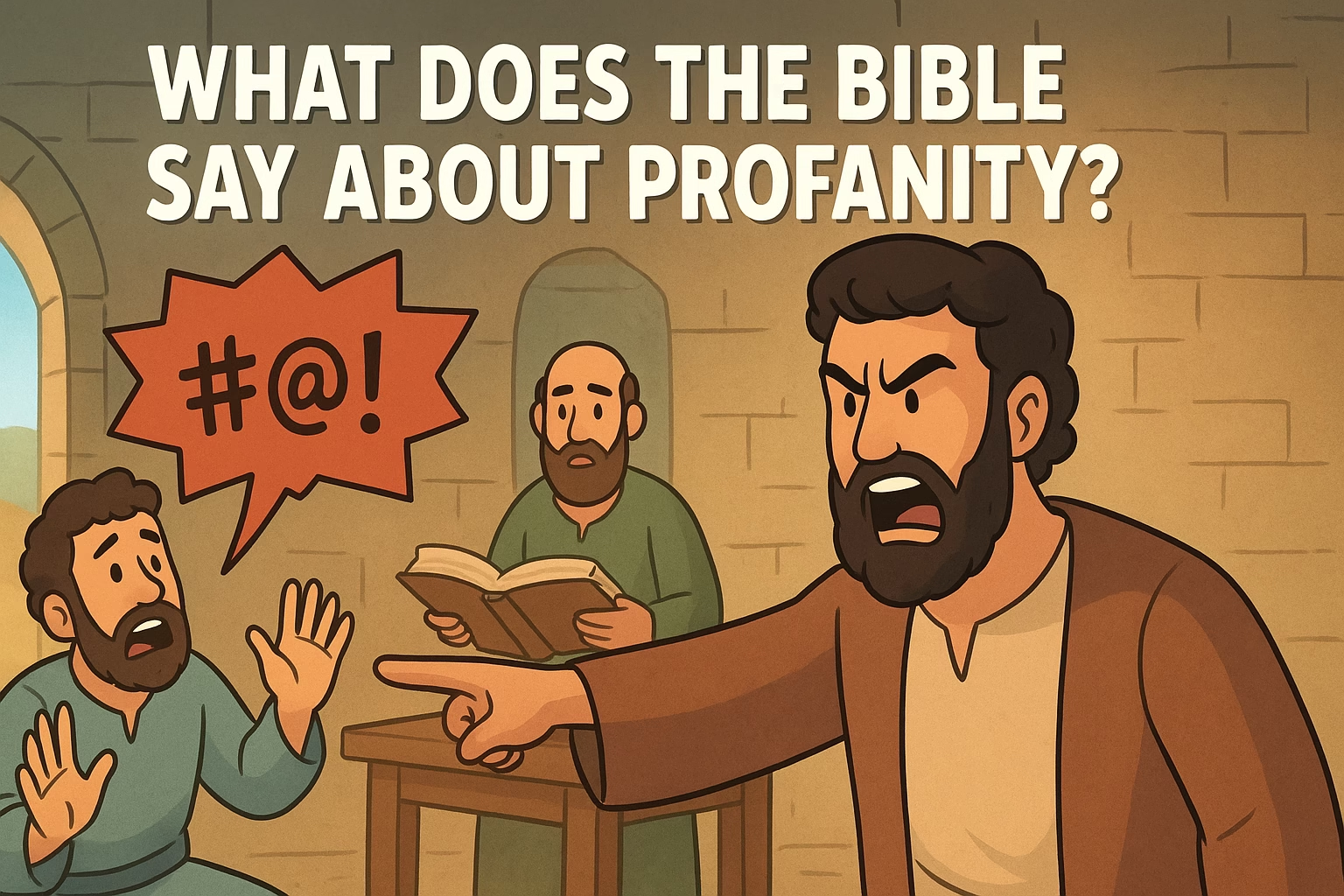
Profanity is a topic that often raises questions among believers and non-believers alike. In a world where harsh language and vulgar expressions can seem commonplace, many wonder how these practices align with their faith and what the Bible has to say about them. Understanding the biblical perspective on profanity can help guide us in our speech and behavior, leading to a more Christ-like life.
The Bible addresses the issue of profanity and the use of unwholesome language in several passages. While the term “profanity” itself may not be explicitly mentioned, the principles surrounding it are clear. Scripture encourages believers to engage in speech that is uplifting, respectful, and reflective of their relationship with God. This article will explore key biblical passages and themes related to profanity, providing insight into how Christians can navigate this area of their lives.
Understanding the Nature of Our Words
In the Bible, words hold significant power. Proverbs 18:21 states, “The tongue can bring death or life; those who love to talk will reap the consequences.” This verse highlights the importance of being mindful of what we say. Our words can either build others up or tear them down, and this principle extends to the use of profanity as well.
Moreover, Jesus emphasized the significance of our words in Matthew 12:34-37. He said, “For whatever is in your heart determines what you say. A good person produces good things from the treasury of a good heart, and an evil person produces evil things from the treasury of an evil heart.” This suggests that our language reflects our inner thoughts and attitudes. If our hearts are filled with love and respect for others, our words will likely reflect that. Conversely, if our hearts harbor negativity, our speech may turn to profanity or harmful language.
Biblical Warnings Against Unwholesome Speech
The New Testament provides specific guidance on how believers should communicate. Ephesians 4:29 instructs, “Don’t use foul or abusive language. Let everything you say be good and helpful, so that your words will be an encouragement to those who
The Impact of Profanity on Christian Witness
As Christians, the way we communicate can significantly impact our witness to others. Colossians 4:6 advises believers to let their conversations be full of grace, seasoned with salt, so they may know how to answer everyone. This verse underscores the idea that our speech should not only be respectful but also reflective of the grace we have received from God. When we engage in profanity, we risk damaging our testimony and the message of Christ we aim to share.
Furthermore, in Matthew 5:16, Jesus encourages us to let our light shine before others so that they may see our good deeds and glorify our Father in heaven. Using profanity contradicts this call to shine brightly in a dark world. If our language is indistinguishable from that of those who do not follow Christ, it may lead others to question the authenticity of our faith.
Profanity and the Heart: A Deeper Examination
As previously mentioned, the heart is a central theme in understanding the use of language. In Luke 6:45, Jesus elaborates that a good person brings good things out of the good stored up in their heart, while an evil person brings evil out of the evil stored up in their heart. This relationship suggests that if profanity is a regular part of our speech, it may indicate a deeper issue within our hearts. It invites us to reflect on what we are allowing to influence us and what we are nurturing within ourselves.
Additionally, the Bible teaches that out of the abundance of the heart, the mouth speaks (Luke 6:45). This principle encourages believers to cultivate a heart that is aligned with God’s values. Engaging in regular prayer, reading Scripture, and seeking community can help foster a heart that produces wholesome speech rather than profanity.
Contextualizing Profanity: Cultural Considerations
It is essential to recognize that the cultural context can influence what is considered profane. Different cultures may have varying standards for language, and what is deemed offensive in one community may not be perceived the same way in another. While the Bible provides overarching principles about speech, individual Christians must discern how these apply in their specific contexts.
In 1 Corinthians 10:31, Paul reminds believers that whatever they do, whether in word or deed, should be done for the glory of God. This principle can guide Christians in determining what language is appropriate in their cultural settings. It encourages a thoughtful approach to speech that prioritizes honor and respect for God and others.
Practical Steps to Avoiding Profanity
For those desiring to align their speech with biblical teachings, several practical steps can be taken:
- Reflect on Your Influences: Consider the media you consume, the conversations you engage in, and the environments you frequent. Are they promoting wholesome language, or are they contributing to a habit of profanity?
- Practice Mindfulness: Before speaking, take a moment to think about your words. Ask yourself if they will uplift or harm those around you. This practice can help cultivate a more intentional approach to communication.
- Surround Yourself with Positivity: Engage with communities and friendships that encourage wholesome speech. Positive relationships can influence and inspire you to choose words that reflect Christ’s love.
- Seek Accountability: Sharing your struggles with profanity with trusted friends can provide support and accountability. Together, you can encourage one another to speak in ways that honor God.
God’s Grace and Redemption in Our Speech
For many, the struggle with profanity may stem from habits formed over time. It is vital to remember that God’s grace extends to all aspects of our lives, including our speech. Romans 8:1 assures us that there is no condemnation for those who are in Christ Jesus. This means that while we strive to improve our language, we can also rely on God’s grace to transform us.
As we seek to align our speech with biblical values, we can be encouraged that change is possible through the Holy Spirit’s work in our lives. Philippians 4:13 reminds us that we can do all things through Christ, who strengthens us. This includes overcoming challenges related to our speech.
Conclusion: A Call to Uplifting Speech
In conclusion, the Bible provides clear guidance on the importance of our words and how they reflect our relationship with God. While profanity may seem commonplace in our culture, Scripture calls believers to a higher standard of communication that is uplifting, respectful, and reflective of Christ’s love. By examining our hearts, seeking accountability, and relying on God’s grace, we can cultivate a lifestyle of speech that honors Him and positively impacts those around us. Let us strive to be ambassadors of grace in our words, bringing life and encouragement to a world that desperately needs it.
For further exploration on how our words impact our faith, consider reading about how the power of speech can influence relationships and the role of language in Christian community.