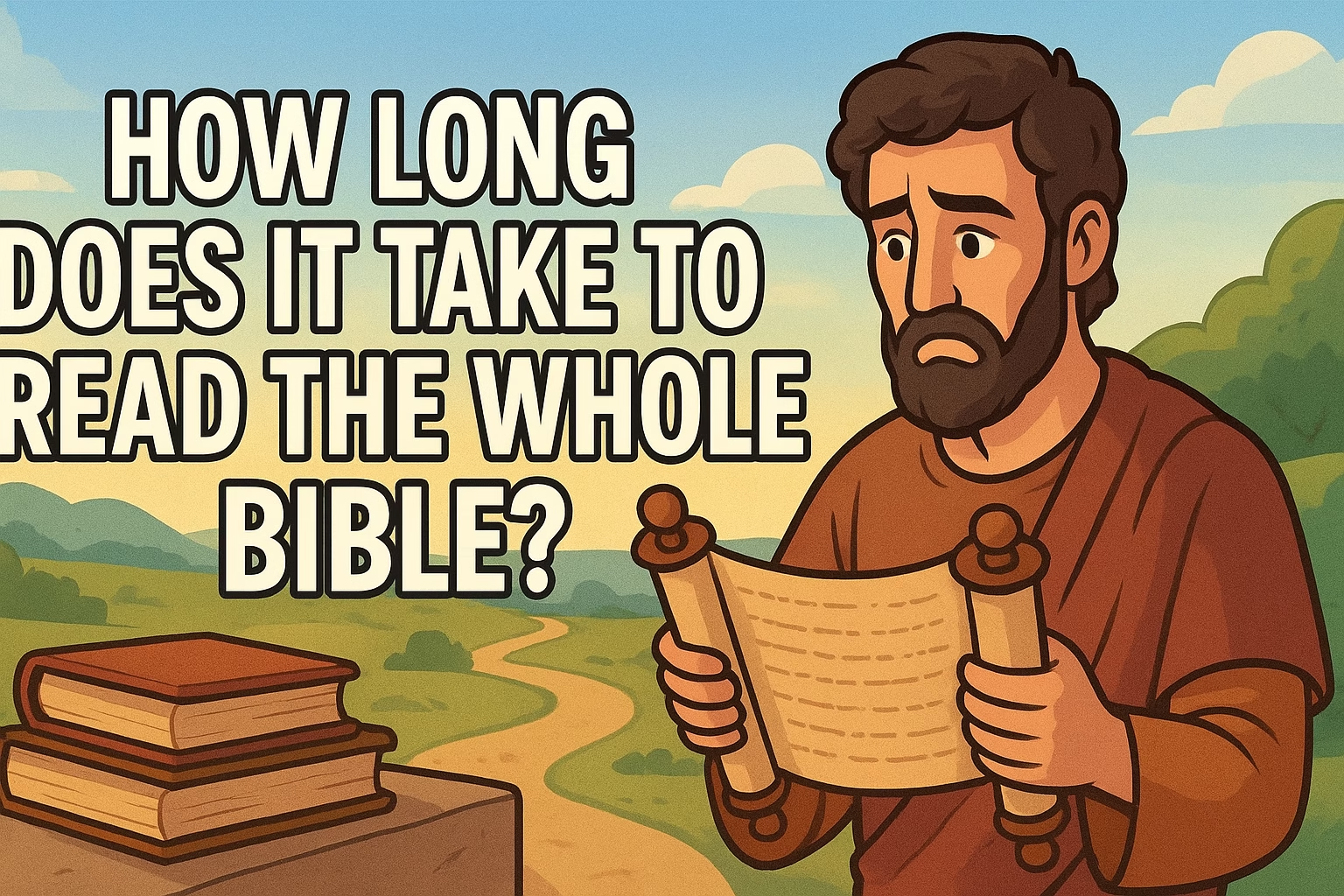
Many people wonder how long it would take to read the entire Bible. This ancient and sacred text is revered by millions, and its depth and complexity can make it seem daunting. Whether you’re a seasoned believer or someone exploring the Christian faith, understanding the time commitment involved in reading the Bible can help you plan your journey through its pages.
On average, it takes about 70 to 80 hours to read the entire Bible, depending on your reading speed and comprehension. If you read for about 30 minutes a day, you could finish it in approximately six months. However, this estimate can vary based on several factors, including the translation you choose and how much time you spend reflecting on the text.
Understanding the Structure of the Bible
The Bible is divided into two main sections: the Old Testament and the New Testament. The Old Testament contains 39 books, while the New Testament has 27 books. Each book varies in length and complexity, which can affect your reading time.
Old Testament Overview
The Old Testament is rich in history, poetry, law, and prophecy. It begins with the creation of the world in Genesis and concludes with the prophetic writings. Some of the longest books, like Psalms and Jeremiah, can take considerable time to read. For example, Psalms alone contains 150 chapters, making it a significant portion of the Old Testament.
New Testament Overview
The New Testament focuses on the life of Jesus and the early Christian church. It includes the four Gospels, which narrate Jesus’ life, teachings, death, and resurrection. The letters (Epistles) written by apostles like Paul provide guidance to early Christians and are often shorter and more straightforward than many Old Testament texts.
Reading Speed Considerations
Individual reading speed plays a crucial role in determining how long it takes to read the Bible. The average adult reads at a speed of about 200 to 300 words per minute. If you consider that the Bible contains approximately 773,000 words, you can estimate how long it will take based on your reading habits.
For example, at 250 words per minute, it would take roughly 51.5 hours to read the entire Bible.
However, many readers choose to take their time, especially when engaging with complex passages. Reflection, prayer, and study can extend the overall reading experience, emphasizing understanding over speed.
Different Reading Plans
There are various reading plans available that can help you navigate the Bible within a set timeframe. Here are a few popular approaches:
- Chronological Reading Plan: This plan organizes the Bible in the order historical events occurred, which can provide a fresh perspective on the narrative.
- One-Year Bible Plan: This plan breaks the Bible into daily readings, allowing you to complete it in one year. Each day typically includes passages from the Old Testament, New Testament, Psalms, and Proverbs.
- Topical Reading Plan: This approach focuses on specific themes or topics, allowing readers to explore certain concepts in depth.
Reflecting on the Word
Reading the Bible is not just about finishing the text; it is a spiritual journey. Many believers emphasize the importance of reflection and meditation on Scripture rather than rushing through the pages. Passages like Psalm 119:105 remind us that God’s Word is a lamp to our feet and a light to our path, encouraging readers to take their time to understand its meaning.
Additionally, engaging with the Bible through prayer can enhance your reading experience. Asking for wisdom and understanding can lead to deeper insights and a more meaningful connection with the text.
Community and Study Groups
Joining a Bible study group can also enrich your reading experience. Discussing passages with others can provide various perspectives and interpretations, making the journey more engaging. Many churches offer programs designed to help individuals read through the Bible together, fostering accountability and fellowship.
In conclusion, while the average time to read the Bible is around 70 to 80 hours, the experience can vary greatly depending on individual factors. With different reading plans, reflective practices, and community involvement, you can create a personalized approach to reading and understanding this sacred text.
Choosing the Right Bible Translation
The translation of the Bible you choose can significantly impact your reading experience. Various translations cater to different reading levels and preferences. Some are more literal, like the English Standard Version (ESV) or the New American Standard Bible (NASB), while others, like the New Living Translation (NLT) or the Contemporary English Version (CEV), prioritize readability and accessibility. This choice can affect not only how quickly you read but also how deeply you understand the text.
For example, a more literal translation may take longer to read due to complex sentence structures and vocabulary, while a thought-for-thought translation may feel more engaging and easier to grasp. It may be beneficial to try different translations to see which resonates with you most effectively.
Supplemental Resources
In addition to the Bible itself, many readers find that utilizing supplemental resources can enhance their understanding and engagement. Commentaries, study guides, and devotionals can provide context, interpretation, and application of Scripture, adding depth to your reading experience. These resources can help clarify difficult passages and offer insights into the historical and cultural background of biblical texts.
Setting Goals for Your Reading Journey
Establishing clear goals can help you stay committed to reading the Bible. Consider what you hope to achieve through your reading. Are you looking to complete the Bible in a year, or do you want to focus on specific books or themes? Setting realistic and achievable goals can help you maintain motivation and track your progress.
Writing down your goals and sharing them with a friend or family member can create a sense of accountability, making it easier to stay on track.
Daily Reading Habits
Incorporating Bible reading into your daily routine can make a significant difference in how long it takes to read through the entire text. Many find that setting aside a specific time each day, whether in the morning or evening, helps create a habit. Even just 15 minutes a day can lead to substantial progress over time.
Consider using tools like bookmarks or reading apps that track your progress. Some apps even offer daily reminders, encouraging you to stay consistent with your reading schedule.
Engaging with the Text
Beyond reading, engaging with the text can deepen your understanding and retention of what you read. Taking notes, journaling, or discussing your thoughts with others can help solidify your insights. You might also consider memorizing key verses or passages that resonate with you, which can aid in meditation and reflection.
Another way to engage is by exploring the historical and cultural context of the passages. Understanding the background of the authors, the audience, and the circumstances surrounding the writings can enrich your reading experience. Resources such as Bible dictionaries or historical context commentaries can be invaluable for this purpose.
Questions to Consider After Reading
As you read through the Bible, reflecting on meaningful questions can enhance your comprehension and application of the text. Here are some questions to consider:
- What does this passage reveal about God’s character?
- How can I apply the lessons learned to my daily life?
- What challenges or encouragement does this text present to me personally?
- How does this passage connect with the larger narrative of Scripture?
Taking time to ponder these questions can lead to deeper insights and a more profound connection to the Scriptures.
Final Thoughts on Your Bible Reading Journey
Deciding to read the entire Bible is a significant commitment that can lead to spiritual growth and transformation. While the average reading time is around 70 to 80 hours, your personal journey may vary based on your reading habits, translation choices, and engagement methods. Remember, it is not merely about finishing the text but about experiencing the richness of God’s Word.
As you embark on this journey, be open to the lessons and insights that come your way. Allow time for reflection, prayer, and community interaction to deepen your understanding. Ultimately, your journey through the Bible is not just an intellectual exercise but a way to grow closer to God and understand His will for your life.
In conclusion, whether you take a few months or a year to read through the Bible, what matters most is your openness to the messages contained within its pages and how they can transform your life.
For more insights on engaging with Scripture, check out our articles on effective Bible study techniques and the importance of community in faith.