
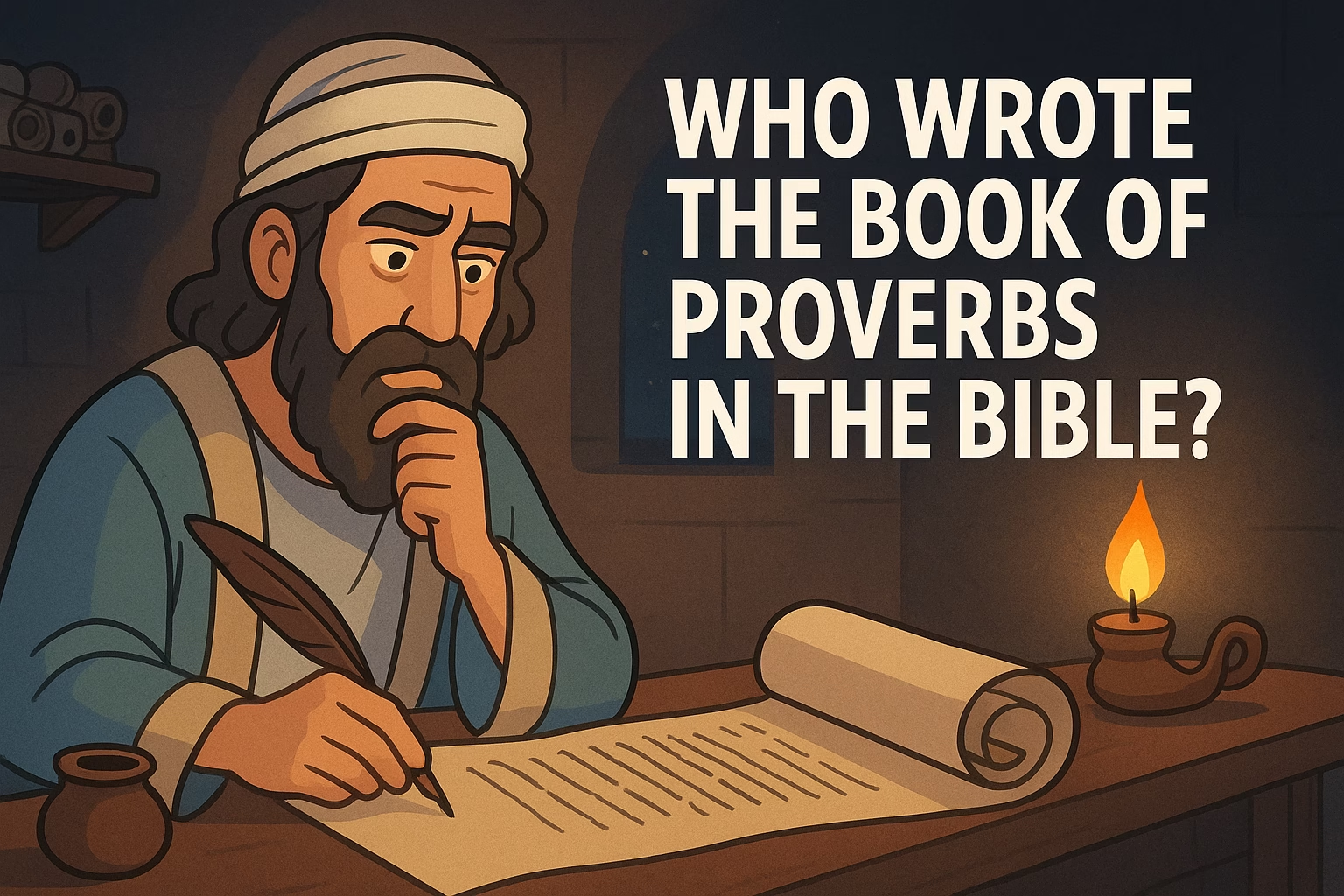
The Book of Proverbs is a revered piece of biblical literature that offers wisdom and guidance on various aspects of life. Its teachings are timeless and continue to resonate with readers today. Understanding who wrote this book can deepen our appreciation for its content and context.
The primary author of the Book of Proverbs is traditionally considered to be King Solomon, renowned for his wisdom. However, the book also includes contributions from other figures and compilers. Let’s explore the authorship in more detail.
Who is King Solomon?
King Solomon, the son of David and Bathsheba, is a central figure in the history of Israel. He ruled during a time of great prosperity and peace, often noted for his wisdom. In 1 Kings 3:5-14, we read how Solomon asked God for wisdom to govern his people rather than wealth or long life, which pleased the Lord. As a result, Solomon became famous for his wise sayings and judgments.
Many of the proverbs attributed to him reflect his deep understanding of human nature and his desire to guide others in living righteously. For example, Proverbs 1:1-6 introduces the purpose of the book, stating that it is meant to impart wisdom, discipline, and insight. This aligns with Solomon’s reputation as a wise ruler.
Attributions within the Book
While Solomon is the primary author, the Book of Proverbs also acknowledges other contributors. For instance, Proverbs 10:1 states, “The Proverbs of Solomon,” indicating that many of the sayings are directly linked to him. However, in Proverbs 22:17, we see an invitation to listen to the words of the wise, which suggests that the wisdom shared may encompass a broader community of thinkers.
Additionally, Proverbs 30 is attributed to Agur, a figure whose identity is not well-documented but is described as a man who sought wisdom. This chapter offers unique insights and observations that differ from Solomon’s style, showcasing the diversity of thought within the book. Similarly, Proverbs 31 includes the words of Lemuel, which are presented as teachings from his mother, further emphasizing the idea that wisdom can come from various sources.
The Role of Compilers
The Book of Proverbs is not simply a collection of sayings; it is a compilation that has undergone editing and organization. Scholars suggest that there were compilers who collected and arranged these proverbs, possibly during the time of the Babylonian exile or later. This means that while Solomon may have authored many proverbs, the final form of the book reflects contributions from others who recognized the value of these teachings.
Proverbs 25:1 explicitly states, “These are more proverbs of Solomon, collected by the advisers of King Hezekiah of Judah.” This indicates that the proverbs were preserved and compiled by later generations, ensuring that Solomon’s wisdom could be shared with future readers. The act of compilation highlights the importance of these teachings across different eras and contexts.
Understanding the Themes
The themes present in the Book of Proverbs are a testament to its authorship. The focus on wisdom, knowledge, and understanding is prevalent throughout. Solomon’s proverbs often emphasize the fear of the Lord as the beginning of knowledge (Proverbs 1:7). This foundational principle reflects his understanding that true wisdom is rooted in a relationship with God.
Moreover, the practical nature of the proverbs addresses various aspects of life, such as relationships, work, and moral conduct. The teachings encourage readers to pursue righteousness, justice, and integrity. For example, Proverbs 3:5-6 advises, “Trust in the Lord with all your heart; do not depend on your own understanding.” This instruction underscores the value of divine guidance in decision-making.
Conclusion of Authorship Insights
In summary, while King Solomon is the primary author of the Book of Proverbs, the text also incorporates wisdom from other figures and reflects the contributions of later compilers. This collaborative effort enriches the book, making it a diverse collection of insights that continue to inspire and guide readers. Understanding the authorship and context of Proverbs enhances our ability to apply its wisdom to our lives today.
Examining the Historical Context
To fully appreciate the Book of Proverbs, it is essential to consider the historical and cultural context in which it was written. The wisdom literature of ancient Israel, including Proverbs, reflects the values and beliefs of a society that placed a high premium on wisdom and moral living. During the time of Solomon, Israel experienced a period of unprecedented wealth and stability, which allowed for the flourishing of intellectual pursuits.
This environment likely influenced the creation and compilation of proverbs. The teachings encapsulated in Proverbs were not merely theoretical; they were practical guidelines aimed at helping individuals navigate the complexities of life. The emphasis on wise living was essential in a society where communal and familial relationships were paramount. Proverbs served as a means to instill values and ethical behavior in the hearts of the people.
The Influence of Ancient Near Eastern Literature
The Book of Proverbs is often compared to other ancient Near Eastern wisdom literature. Texts from Egypt and Mesopotamia, such as “The Instruction of Amenemope,” share similar themes and structures. This raises interesting questions about the interchange of ideas and cultural exchanges that occurred in the ancient world.
While Proverbs is unique in its theological underpinnings, understanding its similarities with other wisdom literature can shed light on its purpose and audience. The similar themes of morality, justice, and the pursuit of knowledge suggest that the sages of Israel were part of a broader tradition that recognized the importance of wisdom across cultures. This connection emphasizes that wisdom is a universal pursuit, transcending time and geography.
Wisdom and Fear of the Lord
One of the core teachings in the Book of Proverbs is the relationship between wisdom and the fear of the Lord. Proverbs 1:7 states that “the fear of the Lord is the beginning of knowledge,” indicating that true wisdom is rooted in reverence for God. This concept is foundational to understanding the teachings within the book.
The fear of the Lord is not about being terrified; rather, it is a deep respect and acknowledgment of God’s authority and power. This perspective shapes the way individuals approach life decisions, relationships, and moral dilemmas. By centering their lives around this reverence, readers are encouraged to seek wisdom as a guiding principle, influencing their actions and choices.
The Structure of Proverbs
The Book of Proverbs is organized into distinct sections, each with its own focus and style. The first nine chapters serve as an introduction to the themes of wisdom and folly, using vivid personifications of wisdom as a woman calling out to the simple and naive. This literary device engages readers and emphasizes the importance of heeding wisdom’s call.
From chapters 10 to 29, the text transitions to a collection of individual proverbs, often contrasting wise behavior with foolishness. These short, memorable sayings are practical and applicable to various aspects of daily life, making them easily digestible and memorable for the audience. The final chapters, including the well-known acrostic poem in Proverbs 31, focus on the qualities of a virtuous woman, providing a model of wisdom and strength.
Application of Proverbs in Daily Life
The teachings found within the Book of Proverbs are not just historical artifacts; they are meant to be applied in contemporary life. The proverbs encourage readers to develop character traits such as humility, integrity, and diligence. For instance, Proverbs 12:1 states, “To learn, you must love discipline; it is stupid to hate correction.” This highlights the importance of being open to learning and growth, a lesson that resonates in various contexts today.
Moreover, the emphasis on community and relationships is significant. Proverbs 27:17 notes, “As iron sharpens iron, so a friend sharpens a friend.” This reminds us of the value of surrounding ourselves with wise individuals who can challenge and encourage us. In a world where relationships can often be superficial, Proverbs calls for deeper connections that foster growth and accountability.
Questions for Further Reflection
Engaging with the Book of Proverbs invites readers to reflect on their own lives. Here are some questions to consider:
- How can the principles of wisdom and the fear of the Lord influence my decision-making process?
- In what ways can I seek out wise counsel in my relationships and personal pursuits?
- How do the teachings of Proverbs challenge or affirm my current understanding of success and fulfillment?
- What practical steps can I take to embody the virtues highlighted in Proverbs, such as diligence and humility?
Final Thoughts on the Book of Proverbs
The Book of Proverbs is a rich tapestry of wisdom that extends beyond the authorship of King Solomon. It incorporates insights from various contributors and reflects a collective understanding of what it means to live wisely. As readers engage with its teachings, they are invited to explore the depths of wisdom, the importance of community, and the necessity of a relationship with God. By integrating these timeless principles into their lives, individuals can navigate the complexities of the modern world with confidence and grace.
For further insights on biblical wisdom and its application, check out how to apply biblical principles in daily life and the significance of wisdom literature in the Bible.