
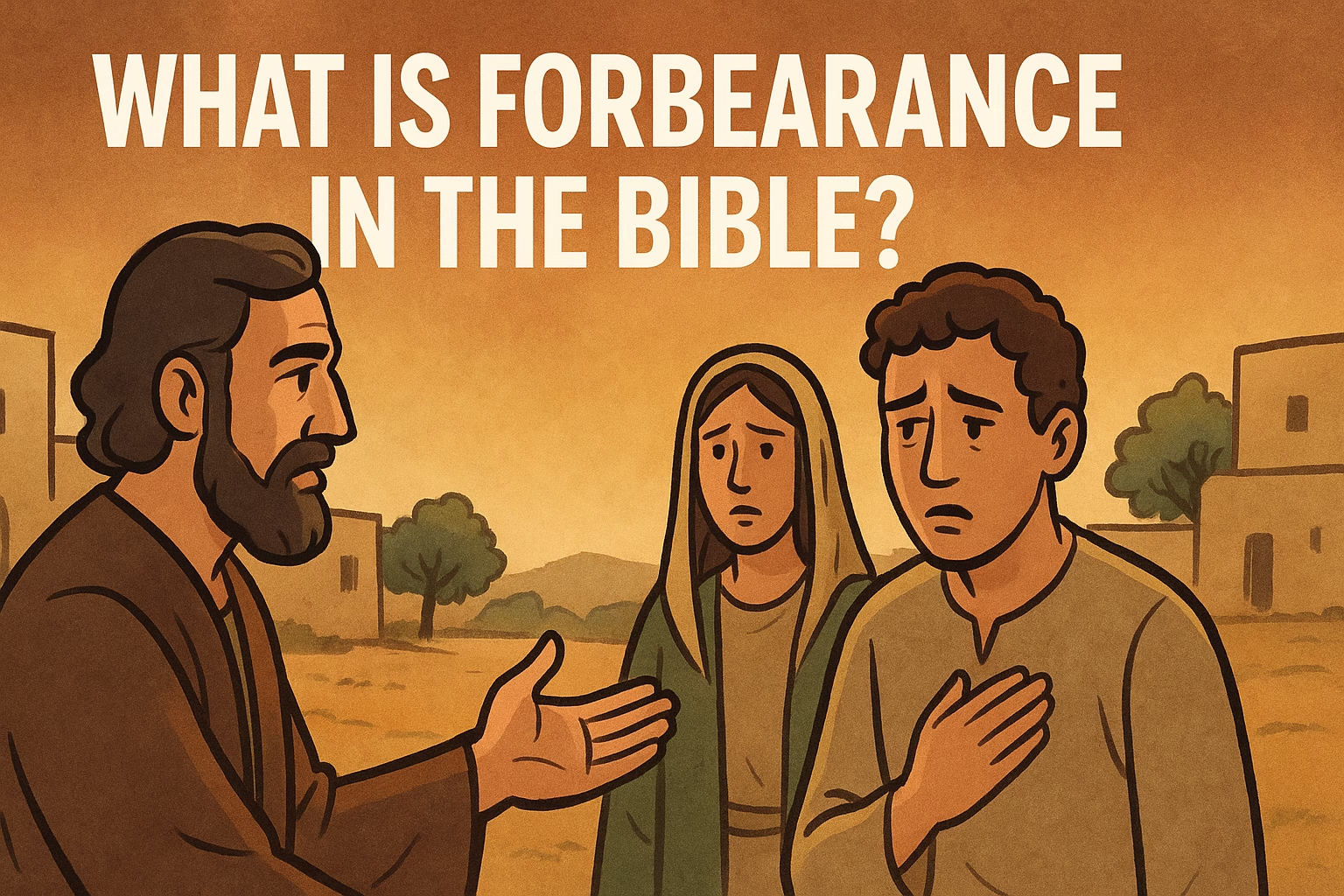
Forbearance is a significant concept in the Bible that reflects God’s character and the attitude believers are encouraged to adopt towards others. It encompasses patience, self-control, and the willingness to endure difficult situations or the shortcomings of others. Understanding forbearance helps us to grasp the depth of God’s love and mercy, and it challenges us to practice the same attributes in our daily lives.
In biblical terms, forbearance can be understood as the act of refraining from enforcing a right or obligation, particularly in relation to forgiveness and patience with others. It is a quality that mirrors God’s own forbearance towards humanity, where He chooses to withhold immediate judgment and instead offers grace.
Biblical Definition of Forbearance
Forbearance is often associated with other biblical concepts such as patience, mercy, and forgiveness. The Greek word for forbearance is “anokhē,” which implies a sense of restraint or holding back from punishing. This idea is prominent in various scripture passages that illustrate how God exhibits forbearance towards His people.
God’s Forbearance in Scripture
One of the clearest examples of forbearance in the Bible is found in Romans 2:4, where the Apostle Paul writes, “Don’t you see how wonderfully kind, tolerant, and patient God is with you? Does this mean nothing to you? Can’t you see that His kindness is intended to turn you from
The Role of Forbearance in Christian Relationships
Forbearance is not just a divine attribute; it is also a crucial aspect of how Christians are called to interact with one another. In Ephesians 4:2, Paul urges believers to “be completely humble and gentle; be patient, bearing with one another in love.” This instruction highlights the relational dimension of forbearance, as it encourages followers of Christ to practice patience and understanding within their communities. In a world filled with conflict and misunderstandings, the call to forbearance serves as a reminder that enduring love and patience can help mend and strengthen relationships.
Forbearance in the Context of Conflict
Conflict is an inevitable part of human interactions. Forbearance plays a vital role in resolving disputes and fostering unity. When disagreements arise, the ability to exercise forbearance allows individuals to step back from their immediate reactions and consider the perspectives of others. Colossians 3:13 advises believers to “bear with each other and forgive one another if any of you has a grievance against someone.” This approach not only promotes reconciliation but also reflects the heart of the Gospel, which emphasizes forgiveness and the importance of community.
Forbearance and Spiritual Growth
Practicing forbearance is also linked to spiritual maturity. As believers learn to exercise patience and restraint, they grow in their faith and understanding of God’s grace. James 1:2-4 encourages Christians to “consider it pure joy… whenever you face trials of many kinds, because you know that the testing of your faith produces perseverance.” This perseverance can be seen as a form of forbearance, as it involves enduring trials with a positive attitude, trusting in God’s plan. The process of spiritual growth often requires believers to develop the capacity for forbearance, which in turn strengthens their relationship with God and others.
Forbearance as a Reflection of God’s Character
In the Bible, God’s forbearance is a central theme that illustrates His nature. He is portrayed as slow to anger and rich in love (Psalm 103:8). This divine forbearance is not merely passive; it actively seeks restoration and redemption. Understanding God’s forbearance enables believers to appreciate the grace they receive and encourages them to extend that same grace to others. Romans 15:5-7 emphasizes this connection, urging believers to “accept one another, then, just as Christ accepted you, in order to bring praise to God.” This acceptance is rooted in forbearance and reflects the transformative power of God’s love.
The Consequences of Rejecting Forbearance
While forbearance is a virtue, its absence can lead to significant consequences. When individuals refuse to practice forbearance, relationships can suffer, and communities can become divided. The Bible warns against harboring bitterness or resentment, which can fester and lead to further conflict (Hebrews 12:15). In contrast, cultivating forbearance fosters an environment of grace and understanding, allowing individuals to grow together in faith.
Practical Steps to Cultivate Forbearance
For those seeking to embody forbearance in their daily lives, several practical steps can be taken. Here are a few suggestions:
- Practice Active Listening: Take the time to genuinely understand the perspectives and feelings of others before responding.
- Reflect on God’s Grace: Regularly remind yourself of the grace that God has extended to you, which can inspire you to extend grace to others.
- Seek Forgiveness: Be willing to apologize when you have wronged someone, and forgive others when they hurt you.
- Pray for Patience: Ask God to help you develop a spirit of forbearance and to soften your heart towards others.
- Engage in Community: Surround yourself with fellow believers who encourage and model forbearance.
Conclusion: Embracing Forbearance as a Way of Life
Forbearance is a profound biblical principle that shapes how Christians are called to live and interact with one another. It reflects God’s character and invites believers to extend grace, patience, and love in their relationships. By understanding the importance of forbearance, Christians can foster unity, promote healing, and grow spiritually. Ultimately, embracing forbearance not only transforms individual lives but also strengthens the community of believers, creating an environment where love abounds and conflicts are resolved through grace.
For further exploration of the biblical principles of patience and forgiveness, see our articles on the role of patience in Christian life and forgiveness in the New Testament.