
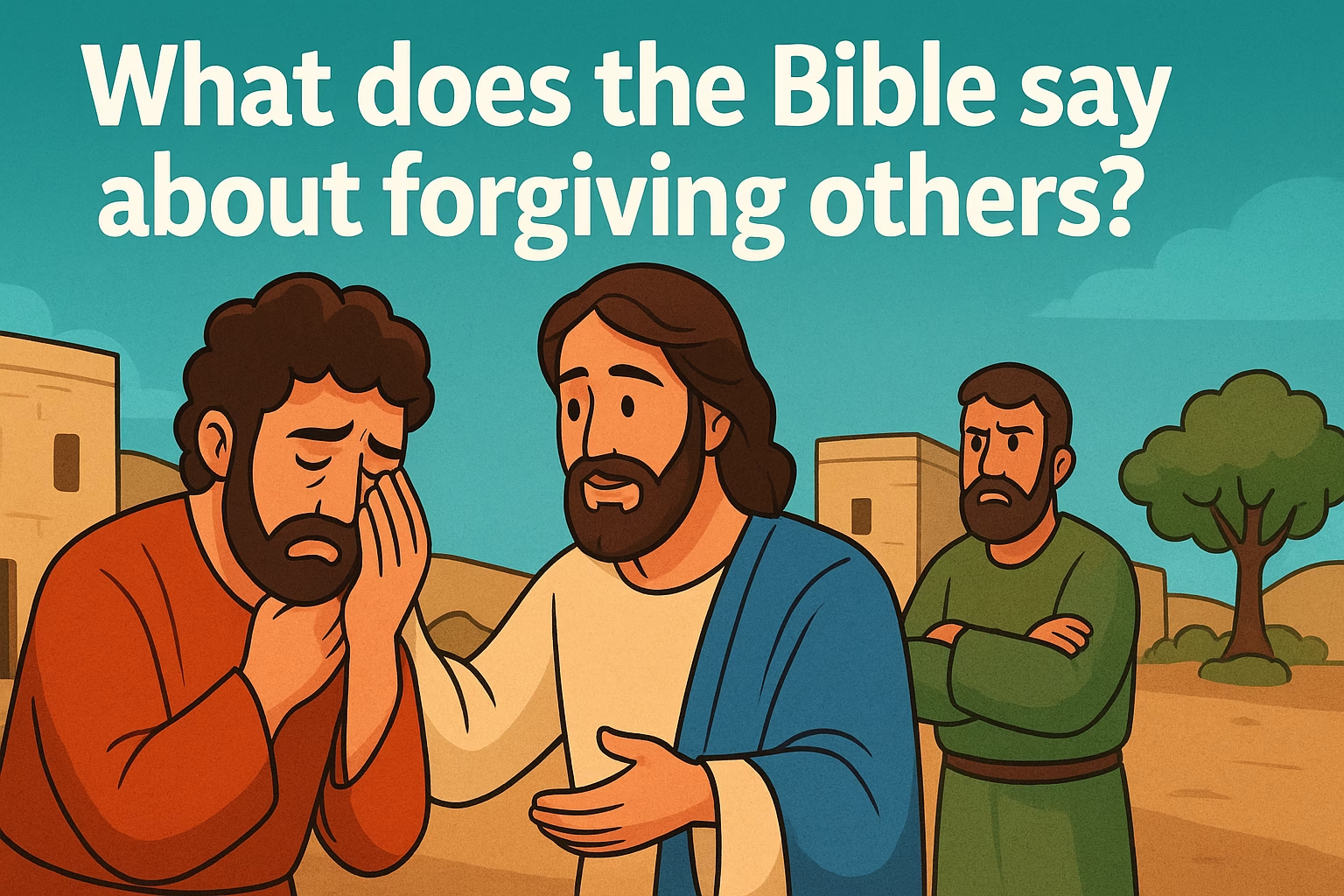
Forgiveness is a central theme in the Christian faith, deeply rooted in Scripture. It is not just a suggestion but a command that reflects God’s love and grace. Understanding what the Bible says about forgiving others can transform our relationships and our hearts, allowing us to live in harmony with one another.
The Bible emphasizes the importance of forgiving others as a reflection of the forgiveness we have received from God. In various passages, we see that forgiveness is not only an act of mercy but also a vital aspect of spiritual health and community life.
Forgiveness as a Commandment
In the New Testament, Jesus teaches extensively about forgiveness. One of the most notable passages is found in Matthew 6:14-15, where He states, “If you forgive those who sin against you, your heavenly Father will forgive you. But if you refuse to forgive others, your Father will not forgive your sins.” This passage underscores that forgiveness is not optional for Christians; it is a requirement for receiving God’s forgiveness.
Jesus further illustrates this concept in the Parable of the Unforgiving Servant (Matthew 18:21-35). In this story, a servant who has been forgiven a massive debt refuses to forgive a smaller debt owed to him. When the king learns of this, he is furious and revokes the servant’s forgiveness. This parable serves as a powerful reminder of the obligation to forgive others, as we have been forgiven much more by God.
The Nature of Forgiveness
Forgiveness in the Bible is not merely an emotional response but a deliberate choice. It involves letting go of resentment and the desire for revenge. Ephesians 4:32 instructs believers to “be kind to each other, tenderhearted, forgiving one another, just as God through Christ has forgiven you.” This verse highlights that our forgiveness should mirror God’s attitude toward us.
“Forgiveness is not about excusing the wrong done to us, but about releasing ourselves from the burden of bitterness.”
Forgiveness can be challenging. It requires humility and a willingness to see beyond our hurt. Colossians 3:13 encourages believers to “make allowance for each other’s faults and forgive anyone who offends you.” This suggests that forgiveness is part of living in community, where we recognize that everyone makes mistakes.
The Role of Forgiveness in Healing
Forgiveness is essential for personal healing. Holding onto grudges and bitterness can lead to emotional and spiritual turmoil. In Matthew 11:28-30, Jesus invites those who are weary and burdened to come to Him for rest. This invitation can be applied to those struggling with the weight of unforgiveness. By forgiving others, we free ourselves from that burden.
Moreover, the act of forgiveness can restore relationships. In Luke 17:3-4, Jesus instructs His followers to rebuke a brother or sister who sins and, if they repent, to forgive them. This verse illustrates that forgiveness can lead to reconciliation, promoting healthy and loving relationships within the community.
Forgiveness and God’s Justice
Some may struggle with the idea of forgiveness because they fear it undermines justice. However, the Bible teaches that God is just and will deal with wrongdoings. Romans 12:19 states, “Dear friends, never take revenge. Leave that to the righteous anger of God. For the Scriptures say, ‘I will take revenge; I will pay them back,’ says the Lord.” This passage reassures believers that while we are called to forgive, God will handle justice in His perfect timing.
Forgiving others does not mean condoning their actions or ignoring the hurt caused. It means choosing to release the desire for revenge and leaving the matter in God’s hands. This act of faith can bring peace and healing to our hearts.
Practical Steps to Forgiveness
Forgiveness is a process that can take time. Here are some practical steps to help you in your journey:
- Acknowledge Your Feelings: Recognize the hurt and pain caused by the offense. It’s important to be honest about your feelings.
- Reflect on God’s Forgiveness: Remind yourself of the forgiveness you have received from God. This can help you extend that same grace to others.
- Pray for the Offender: Instead of harboring resentment, pray for the person who hurt you. This can soften your heart and open the door to forgiveness.
- Make a Decision to Forgive: Forgiveness is a choice. Decide in your heart that you will forgive, regardless of how you feel.
- Take Action: If possible, communicate your forgiveness to the person involved. This can be a powerful step toward healing.
Forgiveness is not always easy, but it is essential for emotional and spiritual health. The Bible provides clear guidance on the importance of forgiving others, reminding us of the incredible grace we have received from God. As we navigate our relationships, let us strive to embody the spirit of forgiveness in our lives.
The Impact of Forgiveness on Mental Health
Forgiveness plays a significant role in mental health and emotional well-being. Studies have shown that holding onto grudges can lead to increased anxiety, depression, and stress. The Bible’s teachings on forgiveness encourage individuals to release negative emotions for their own benefit. By forgiving, we can lighten our emotional load and foster a sense of peace within ourselves.
Proverbs 17:22 states, “A cheerful heart is good medicine, but a crushed spirit dries up the bones.” This verse reflects the idea that emotional well-being is vital for overall health. Forgiveness can be a pathway to that cheerful heart, allowing individuals to let go of bitterness and embrace a more positive outlook on life.
Forgiveness in the Context of Community
Forgiveness is essential not just on an individual level but also within the context of community. In Colossians 3:13, Paul emphasizes the need for forgiveness among believers, highlighting that the church functions best when members support one another through grace. When individuals forgive within the community, it fosters unity and strengthens relationships.
Moreover, the act of forgiveness can serve as a testimony to others. When we forgive those who have wronged us, we reflect God’s love and grace, potentially encouraging others to seek forgiveness in their own lives. This ripple effect can lead to healthier communities, where grace and understanding prevail over conflict.
The Role of Forgiveness in Personal Growth
Forgiveness is not only about reconciling with others; it can also be a powerful catalyst for personal growth. When we choose to forgive, we often confront our own weaknesses and biases. This process can lead to greater self-awareness and humility.
In Matthew 5:23-24, Jesus instructs us to reconcile with our brother or sister before offering gifts at the altar. This teaching underscores the importance of addressing our relationships, as unresolved conflicts can hinder our spiritual lives. By forgiving, we can move forward in our relationship with God, unburdened by past grievances.
Forgiveness as a Reflection of God’s Character
Understanding forgiveness in light of God’s character is essential. God is depicted as merciful and forgiving throughout Scripture. Psalm 103:12 reminds us that “He has removed our sins as far from us as the east is from the west.” This aspect of God’s nature should inspire believers to mirror His forgiveness in their own lives.
When we forgive others, we align ourselves with God’s heart. It is an act of obedience that demonstrates our understanding of His grace. Emulating God’s forgiveness can lead to deeper relationships with others and a more profound connection with Him.
Challenges and Misconceptions about Forgiveness
Forgiveness can be challenging, and many misconceptions can hinder the process. One common misconception is that forgiveness means forgetting the wrong done to us. While forgiving does involve letting go of the hurt, it does not require us to erase our memories or ignore the lessons learned. Remembering can help us set appropriate boundaries in the future.
Another misconception is that forgiveness is a one-time event. In reality, forgiveness can be an ongoing process, requiring continual effort as new emotions arise. It is important to be patient with ourselves as we navigate these feelings, recognizing that healing takes time.
Seeking Help in the Forgiveness Process
Sometimes, the journey to forgiveness may require additional support. Seeking counsel from trusted friends, family, or professionals can provide valuable perspectives and encouragement. Discussing feelings with others can help clarify emotions and facilitate healing.
Furthermore, engaging in community activities or support groups focused on healing can offer a sense of belonging and shared experience. These avenues can provide hope and comfort, reminding individuals that they are not alone in their struggles with forgiveness.
Final Thoughts on Forgiveness
Forgiveness is a profound and transformative practice rooted in biblical teachings. It is a command from God that fosters healing, personal growth, and community strength. By embracing forgiveness, we not only reflect God’s grace but also pave the way for emotional and spiritual health in our lives.
As we strive to forgive those who have wronged us, let us remember the depth of God’s forgiveness toward us. May we find the courage to let go of bitterness and embrace the freedom that forgiveness brings. In doing so, we can live out our faith authentically and impact the world around us positively.
For further exploration of forgiveness and its implications, consider reading about how forgiveness can restore relationships and the mental health benefits of letting go of grudges.